
Journal of Global Research Frontiers and Innovation (Annual (One issue per year))

ABSTRACT
This study investigates the technoethical challenges that may be faced by senior decision-makers within the South African cold supply chain industry, during the integration of drone technologies. Moreover, the central focus of the study focuses on the ethical implications of drone autonomy and highlights the critical need for strategic literacy in distinguishing between remotely operated and autonomous drone systems. Furthermore, the study adopts a qualitative, inductive, and exploratory research design within an interpretivist paradigm. Semi-structured interviews were conducted with 25 senior professionals in strategic, operational, technological, and compliance roles. Data was analysed thematically through the lens of technoethics and decision-making theory, using a SPICE framework for the design of the data collection instrument, and a QUES matrix to ensure data quality. Three key findings emerged: (1) senior decision-makers often lacked the technoethical literacy to differentiate drone capabilities, leading to ethical oversights; (2) misunderstanding autonomous drone systems amplified privacy, surveillance, and legal risks; and (3) ethical and legal consequences were often underestimated or delegated without sufficient governance structures. These findings were supported by a conceptual framework that was developed to support the identification of ethical decision-making aspects required during drone deployment. From here, the study proposes a technoethical framework for ethical drone governance as part of the drone literacy required within the South African cold supply chain industry. Additionally, the study through its findings advances ethical foresight in distinguishing between remotely operated drones and autonomous, as an underpinning literacy required within strategic decision-making when adopting emerging technologies such as drone technology. The proposed technoethical framework is intended to support strategic decision-makers in pre-emptively considering the ethical risks in drone adoption, and in aligning operational readiness through the stated drone literacy required.
Keywords: Technoethics; Drone Autonomy; Drone Ethics; Emerging Technology; Ethical Decision-Making; Cold Supply Chain; Strategic Digital Literacy; Autonomous Systems; Privacy and Surveillance
INTRODUCTION
As drones become increasingly integrated into commercial operations, the study found that their role in automating logistics, enhancing supply chain responsiveness, and enabling real-time data collection is widely acknowledged. This was supported by Rodriguez who highlighted the need for more advanced digital intervention within the cold supply chain industry, to address the demands of the modern-day supply chain and logistics challenges [1]. However, this study found that as organisations move from exploration to implementation, that the focus often falls on infrastructure-readiness: air traffic routes, delivery networks, and regulatory compliance. While necessary, this infrastructure-centric approach often neglects a more complex issue: how senior managers understand the risks of advanced emerging technologies, and govern the technology itself. Against this backdrop, a key problem investigated in this study was the lack of drone and technoethical literacy among key strategic and operations decision-makers. This is imperative given the unique challenges posed by drones and the dynamic behaviour of autonomous drones [2]. This problem further aligns with the assertion of Schwab, that the Fourth Industrial Revolution is fundamentally different [3]. The authors caution that organisations might be unable to adapt; governments could fail to employ and regulate new technologies to capture their benefits; shifting power will create important new security concerns; inequality may grow; and societies fragment. From here, a risk introduced by such a gap is that advanced technologies could be adopted without fully understanding the potential for unintended consequences, including privacy violations, regulatory non-compliance, and public resistance. This concern was supported by Zrelli, whose review of drone applications in logistics revealed that many research findings lacked applicability to real-world scenarios, primarily due to their oversimplified treatment of the interaction between technology, society, and regulation [4]. To this end, the distinction between autonomous and remotely operated drones becomes ethically and operationally significant. In this context, Joshi and Afanasyev reinforced this finding by warning that autonomous drones may act independently and unpredictably, raising concerns about accountability, legal liability, and algorithmic decision-making [5]. Delving deeper, Bui and Shirakawa pointed out that the complex algorithms used to determine a drone’s relative position also enabled the real-time monitoring of its surroundings [6]. This means that drone technology enables critical surveillance which raises privacy concerns. This was confirmed by Lee et. Al [7]. who asserted that autonomous navigation systems have become increasingly sophisticated and was enabled by onboard sensors and deep learning approaches in computer vision. These capabilities, while enhancing performance, simultaneously introduces risks such as privacy and security breaches, particularly in crisis situations where drones may make autonomous decisions without human oversight. This assertion aligned with the findings of Mekdad, where the risks related to privacy breaches were resultant from systematic monitoring of individuals' behaviours in public spaces and near homes [8]. It is against this backdrop that drone technology literacy with respect to the distinguishing between autonomous drones and remotely operated drones is not a monolithic concept.
For the purposes of this study, drone literacy is not limited to general awareness of drones or operational piloting competence. It refers to a strategic decision-maker’s ability to distinguish between remotely operated and autonomous drone systems; recognise the enabling capabilities associated with those systems, including sensing, data capture, surveillance and algorithmic decision-making; and interpret the ethical, legal, governance and societal implications that follow from those capabilities. Operationally, the study examines drone literacy through participants’ ability to articulate these distinctions and to reason about their implications for privacy, accountability, public trust and organisational governance. Against this contextual backdrop, the study aimed to investigate the role of drone literacy in shaping ethically responsible drone deployment among senior decision-makers within the South African cold supply chain. To this end, the study therefore addressed addresses three research questions: (RQ1) How do senior decision-makers understand and distinguish between remotely operated and autonomous drone systems? (RQ2) What technoethical, privacy, governance and legal risks emerge from the way decision-makers interpret drone autonomy and capability? (RQ3) How can the literature and empirical findings be synthesised into a conceptual decision-making framework to support ethically responsible drone deployment? Collectively, these questions positioned drone literacy as more than a matter of technological familiarity and located it as a strategic capability that may shape how emerging drone technologies are interpreted, governed and ethically deployed. In doing so, the study foregrounded the senior decision-maker as a critical point of interaction between technological capability, organisational responsibility and the wider ethical, legal and societal environment within which drone adoption occurs. This positioning was particularly relevant within the cold supply chain, where technology-related decisions must reconcile operational efficiency with questions of privacy, accountability, public trust and regulatory responsibility. To this end, the study moved beyond considering whether organisations were technically ready to deploy drones and instead examined whether those responsible for strategic adoption possessed the literacy required to understand the implications of the systems being selected.
LITERATURE REVIEW
The literature review investigation of the study established the conceptual and contextual foundation for the inquiry by examining the technological distinctions between drone systems and the associated ethical, governance, regulatory and societal risks that subsequently informed the empirical investigation and development of the proposed conceptual framework. The study incorporated a targeted narrative literature review to establish the conceptual and contextual basis for the empirical investigation. The central finding of the investigation was that decision-makers in the cold supply chain industry must make informed choices regarding drone technology. Furthermore, that understanding the distinct functionalities and capabilities of remotely operated versus autonomous drones is crucial for avoiding operational inefficiencies and managing risks. Thus, failing to discern these differences between drone classes and its associated technology and functions can lead to operational inefficiencies. Against this backdrop, other key findings from the literature review investigations revealed that if a decision maker within the cold supply chain industry fails to differentiate between an autonomous and remotely an operated drone and how these technologies function, that significant operational and ethical challenges could result. This was validated by Sonthalia, who noted that the failure to clearly differentiate these technologies could hinder progress and innovation within an organization [9]. Moving from this premise, this risk comprising privacy and security breaches as highlighted by Mekdad is amplified in the case of the decisions that an autonomous drone might make in times of crisis or emergencies [8]. To this end, themes that emerged from the literature review findings were regulatory change, public trust and several drone risks.
To approach the literature review investigations, a targeted narrative review was structured around the substantive issues central to the study. These were 1) differentiation between remotely operated and autonomous drones, privacy and surveillance, public trust, regulatory change, technoethical risk, and, 2) strategic decision-making in logistics and supply-chain contexts. The literature was synthesised thematically to establish the conceptual basis for the empirical inquiry, inform the focus of the semi-structured interviews, and support interpretation of the empirical findings and development of the proposed conceptual framework. In light of this, the review was problem-oriented and interpretive. It was used to clarify the technological and ethical distinctions relevant to the research problem, identify governance and societal risks requiring empirical exploration, and position participant accounts within the broader technoethical and decision-making literature. Accordingly, the review provides contextual and theoretical grounding for the qualitative study rather than an exhaustive synthesis of the wider drone-governance literature. In addition, the literature review investigations revealed several examples of risks that can unintentionally confront an organisation, should a decision maker not fully understand and have regard for the technology in lieu of prioritising drone infrastructure. An empirical example of this as per a Dedrone report authored by Boey, reported how a farmer was arrested for shooting a law enforcement drone resultant of the perception that the drone was harassing him [10,11]. This constitutes an example of a scenario that is reflective of how respect for autonomy is substantiated in a meta-ethical realm. Additionally, the risk that emerges from here, is based on the perceived and suspected privacy infringement that individuals may have towards drones. Furthermore, where a strategic decision maker discounts this important aspect, a direct issue that may arise is how the broader society may perceive the cold supply chain sector as a threat if they feel that their privacy is being invaded. This perception could lead to incidents of malicious damage that is caused to a drone as the property of organisations within this industry. Considering this, the legal implications that emerge here was associated with actio iniuriarum and other legal delicts in the realm of South African law. It therefore becomes evident that adhering to a moral perspective during decision-making is crucial. Hopkins offers a perspective on this, postulating that the use of drones can be viewed as an unbiased practice that favours certain interests, while negatively impacting others [12]. To this end, from the literature review findings, it emerged that the resolution to this issue is therefore not straightforward, since the moral and legal implications in this evaluation is linked to the legal implications of actio iniuriarum. Moreover, this risk demands an intricate balance between the consequences of a technological choice in the context of drone technology, and the adherence to fundamental moral principles that becomes central to the ethical considerations in this regard. In a South African context, the legal environment relevant to drone-enabled observation and data processing extends beyond the common-law protection of personality interests through the action iniuriarum. Section 14 of the Constitution of the Republic of South Africa protects the right to privacy, while the Protection of Personal Information Act 4 of 2013 (POPIA) within South Africa regulates the lawful processing of personal information by public and private bodies. Where drone operations capture or process identifiable personal information, considerations such as accountability, processing limitation, purpose specification and security safeguards may therefore become relevant. Commercial unmanned aircraft operations are also situated within the South African civil-aviation framework, including Part 101 of the Civil Aviation Regulations administered by the South African Civil Aviation Authority (SACAA), which expressly operates alongside other statutory requirements relating to privacy and liability. These legal instruments do not predetermine liability in every deployment scenario; rather, they reinforce the need for strategic decision-makers to consider aviation compliance, information governance and common-law privacy interests together when assessing technoethical risk [13-15].
Against this backdrop, the literature review findings revealed that decision-makers would need to grasp the critical differences between drone types to ensure efficient implementation and avoid unnecessary risks. Moreover, the findings emphasised that understanding the complexities, classifications and functionalities of drone technology is fundamental to formulating strategic, ethically responsible decisions. This implies that discerning drone capabilities extends beyond operational concerns it also encompasses ethical and societal considerations. In light of this, a central argument that emerged was that autonomous drone functionality introduces unique technoethical risks that extend into the legal domain, especially within the South African context, where principles such as Actio Injuria and other delictual claims could be invoked in response to unintended or perceived harmful actions carried out by autonomous systems and manual commercial drone use. To address this argument, the study synthesised the findings of the literature review and fieldwork and through the central lens of technoethics theory, constructed a proposed conceptual framework articulated in figure one. Fan defines technoethics as an interdisciplinary research field dedicated to exploring the ethical dimensions of technology and its pervasive impact on everyday transactions [16]. To this end, the study was grounded in a composite theoretical framework that highlighted how the decision-making process required that responsible drone deployment must be centred on the senior decision-maker as the key actor. Thus, technoethics ethical framework positions the strategic decision maker as an actor responsible for interpreting technical, ethical, and legal signals when determining how drone technologies are evaluated, differentiated, and adopted within organisational workflows. Additionally, the senior decision-maker is also positioned as the individual or team responsible for setting strategic direction, approving new technologies, and ensuring that organisational values align with emerging risks.
Articulation of the Drone Literacy Ethical Decision-making Framework
Bannister posit that organisations and their leaders seldom develop an overall approach to the ethical impacts of technology use [17]. Moreover, that simply understanding the ethical issues involving technology requires a decision maker to apply a methodological approach for identifying ethical courses of action. Technoethics highlighted a risk taxonomy with the framework that asserts that the principle of “fitness for purpose” must be regarded by decision-makers. Furthermore, that assessing whether the entire technological ecosystem of drones including AI, sensors, and UAVs aligns with ethical business practices becomes a central pre-requisite. In light of this, Hosier posits that in legal terms, fitness for purpose, unlike a professional duty of "reasonable skill and care," focuses on meeting the standards of a competent professional [18]. Therefore, “fitness for purpose” requires that the product or service actually achieves a specified result. From this premise, the lens of technoethics highlighted the need to balance efficiency with ethical integrity, failing which, can be translated into an ethical implication. In this context, technoethics asserts that decision-makers should critically assess the technological ecosystem of drones, to ensure the selected drone genuinely is fit for purpose. This aligns with assertions of Bannister, that overconfidence in IT governance structures may obscure deeper ethical concerns [17]. Therefore, it is crucial for a decision maker to discern between remotely operated and autonomous drones due to their distinct ethical, legal, and operational challenges that emerge within an organisations.
Moving from this premise, the proposed framework was premised on the rationale that where a decision maker views drone integration as a purely technical decision, that this decision maker becomes an actor whose responsibilities extend into legal accountability, public trust, and social responsibility. Surrounding the senior decision maker as the central role, are external forces that shape organisational choices: increased pressure from regulatory changes, societal expectations of transparency and fairness, and the growing awareness of drone-related risks. These contextual drivers create a sense of urgency but also uncertainty, highlighting the need for more principled decision-making processes. This assertion is supported by Buckley who assert that early ethics assessment of technological innovations may potentially produce greater sensitivity to the potential for unfair impacts and problems of consent and distrust [19]. Moreover, even if specific outcomes from a technology cannot be predicted with accuracy, early ethics assessment may create greater awareness of the potential for unfair impacts, especially among vulnerable populations. Further, the framework highlighted how a decision maker must transcend beyond technical compliance, to a mandate that includes evaluating the operational and ethical ramifications of drone deployment. Furthermore, that decisions involving drone adoption, including the type and class of drones that will be used in the organisation, must align with sustainable and ethical business practices. Accordingly, the lens of technoethics highlighted the technoethical risk domains that emerged as a critical evaluation layer as set out in Figure 1 below.
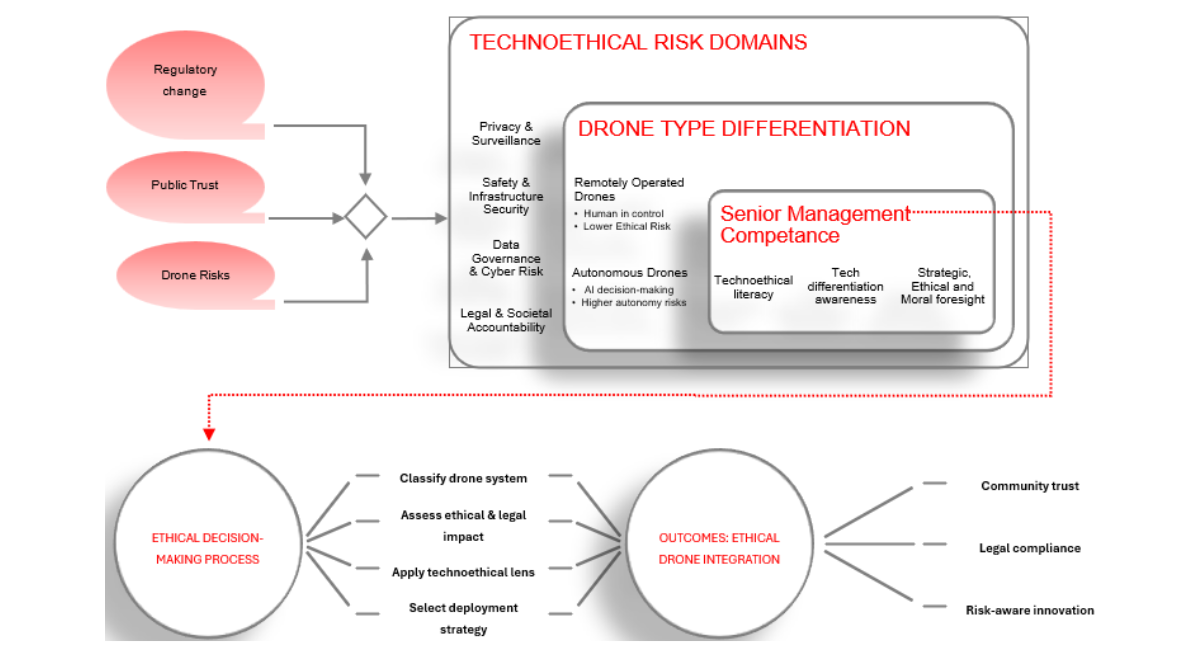
Figure 1: Technoethics Literacy Decision Making Framework
The framework depicted in Figure 1 represented the ethical decision-making process. This means that Strategic leaders are required to use their understanding of the drone’s capabilities, the organisation’s ethical obligations, and the surrounding risk environment to determine whether, how, and under what conditions deployment should proceed. This Technoethics spotlight aligns with Jia, that an emerging technology such as drones may be an instrument used without accommodation for the social impacts or organisation-wide impacts that may result in ethical oversights, decreased accountability, reduced adaptability, erosion of public trust, and missed opportunities for ethical leadership [20]. These factors highlight the importance of a Technoethical perspective in evaluating technology, encouraging a decision maker to integrate social and ethical considerations at every stage of technological adoption. Therefore, this layer in the proposed conceptual framework is not simply a binary choice of adoption or rejection, but a structured deliberation. From here, this study postulates that where decision-makers use the proposed conceptual framework, the intended outcome is ethically informed drone integration which is not defined solely by efficiency gains or technological innovation, but by the senior decision-maker’s ability to align its strategic use of drones with societal expectations, regulatory standards, and long-term trust-building goals. Therefore, the proposed framework is presented as an underpinning guideline to transcend the provision of a checklist for drone adoption, integration and its responsible use. Furthermore, with the use of technoethics theory, the proposed framework acts as a lens for ethical foresight, enabling senior decision-makers to move beyond surface-level operational readiness and engage with the deeper societal impacts of drone technology.
The framework presented in Figure 1 is a conceptual synthesis of the literature review and the empirical themes generated from the interviews. Therefore, it was developed as an explanatory and decision-support heuristic for organising the relationships among drone literacy, regulatory change, public trust, drone-related risks and strategic ethical decision-making. The present study did not undertake a separate validation phase, test predictive performance, or evaluate organisational outcomes following use of the framework. For these reasons, the framework should be interpreted as an analytically grounded proposition arising from this qualitative study rather than as a validated decision instrument. Its empirical testing and refinement constitute a subsequent stage of research.
METHODOLOGY
This study was grounded in an interpretivist research philosophy within a social constructivist paradigm, selected for its alignment with the aims and objectives of the study. An interpretivist research philosophy supported an understanding of how ethical perceptions are shaped through subjective meaning-making in a complex regulatory and organisational context. While alternative philosophies were considered, phenomenology was excluded for its narrow focus on individual lived experience, which lacked the broader structural scope needed here. Moreover, critical realism, though useful in explaining causal mechanisms, was not suited to capturing the nature of ethical reasoning central to this study. Instead, a qualitative, inductive, and exploratory design was adopted, enabling ethical themes, cognitive biases, and decision-making strategies to emerge directly from participant narratives. Furthermore, to support technoethics as the central theoretical lens within the study, the research methodology integrated ethical frameworks such as normative ethics, applied ethics, and metaethics with decision-making theories such as satisficing and the availability heuristic. This blend allowed for a contextualised understanding of how decision-makers respond to technoethical risks in practice, recognising that ethical decisions occur within a wider social, regulatory, and technological landscape.
Participant Profile and Recruitment
The empirical component comprised 25 senior professionals occupying strategic, operational, technological and compliance roles within the South African cold supply chain. Participants were selected because their professional responsibilities positioned them to influence, approve, implement or oversee technology evaluation and adoption, operational implementation, governance and compliance decisions associated with emerging technologies such as drones. The composition of the sample is presented in Table 1 below:
|
Participant category |
Decision-making level |
Relevance to the study |
n |
|
C-suite strategic managers |
Executive management |
Strategic direction, investment decisions, risk management and technology adoption |
5 |
|
SME owners |
Executive management |
Strategic and operational decision-making within smaller cold supply chain enterprises |
2 |
|
Skills-development sector representative |
Strategic-management equivalent |
Skills development, industry standards, policy alignment and capability requirements |
1 |
|
Compliance managers |
Middle-senior management |
Regulatory adherence, policy implementation, compliance and risk oversight |
5 |
|
Operational managers |
Middle-senior management |
Operational implementation, resource allocation, process optimisation and quality control |
5 |
|
Fleet managers operating within logistics |
Middle-senior management |
Fleet operations, logistics, transportation compliance and technology implementation |
2 |
|
Technology managers |
Middle-senior management |
Technology integration, systems management, data governance and vendor engagement |
5 |
|
Total |
25 |
Table 1: Composition of the Participant Sample
The participant composition provided perspectives across the strategic, technological, operational and compliance dimensions relevant to prospective drone adoption. C-suite managers and SME owners contributed strategic and organisational perspectives, while operational and fleet managers provided insight into implementation and logistics considerations. Technology managers contributed perspectives on technological integration, systems and data-related considerations, whereas compliance participants provided insight into regulatory, governance and risk-related issues. The skills-development sector representative contributed an industry-level perspective concerning capability development and alignment with evolving technological requirements. These categories correspond directly with the decision-making roles identified in the original study.
The study employed a non-probability sampling strategy combining convenience and snowball sampling. Convenience sampling provided initial access to potentially suitable participants through professional networks, LinkedIn, industry forums and technology-related networks. Snowball sampling was subsequently used to extend the participant pool through referrals from enrolled participants and industry contacts, particularly where access to senior and specialised decision-makers was limited. Recruitment therefore prioritised individuals whose professional roles and decision-making responsibilities aligned with the scope of the study and who could provide information-rich insight into the organisational, technological, operational and ethical considerations associated with drone adoption. Prospective participants were approached electronically and provided with information concerning the purpose of the study, participation requirements and anonymisation arrangements prior to enrolment. Referrals generated through the snowball process were considered against the same role-relevance criteria before participants were enrolled. The recruitment process therefore focused on professional responsibility and information relevance rather than demographic representation or organisational affiliation alone. This approach was consistent with the study's emphasis on accessing decision-makers capable of providing substantive insight into the research problem. To determine sample adequacy, the study drew on Vasileiou who argued that adequacy in qualitative research is informed by the appropriateness of the sample composition and its relevance to the research objectives rather than numerical size alone [21]. This was complemented by the principle of “Information Power” as proposed by Malterud, whereby the greater the relevance of the information held by participants to the study aim, the fewer participants may be required to generate meaningful qualitative insight [22]. The assessment of information power considered the study aim, sample specificity, use of established theory, quality of dialogue and analytical strategy. The final sample of 25 was therefore considered appropriate for the exploratory and interpretivist orientation of the study and for obtaining sufficiently varied perspectives across the identified decision-making roles.
Interview Procedure
Semi-structured interviews were used as the primary data-collection method to explore the ethical dimensions of drone integration while allowing participants to elaborate on their reasoning and decision-making processes. The interview questions were designed using the SPICE framework developed by Andrew Booth in 2004, as a tool to incorporate scenario-based prompts for addressing issues identified through the literature, including privacy, autonomy, legal exposure and community trust. Although the wording was adapted where necessary to reflect the terminology associated with different decision-making roles, the underlying questions remained substantively consistent across participant categories. This structure provided consistency across interviews while retaining sufficient flexibility to probe emergent issues and participants’ responses in greater depth. Furthermore, interviews were conducted by the principal researcher according to participant preference and availability. Of the 25 interviews, 15 were conducted face-to-face and 10 were conducted online using Microsoft Teams. Prior to each interview, participants received the study information and completed an electronic informed-consent form. Consent was reconfirmed before commencement of the interview. A customised Microsoft PowerPoint presentation was used to administer the interview schedule and provide a consistent structure for the questioning while permitting follow-up probing based on participants’ responses. In furtherance of this, interviews were audio-recorded and transcribed using the paid version of Otter.ai. The same transcription process was applied to both face-to-face and online interviews, after which the researcher reviewed the transcripts for accuracy. Following each interview, the audio and transcription files were downloaded and stored in password-protected, pseudonymised folders accessible only to the researcher. Identifying information was subsequently removed or generalised where necessary to protect participant anonymity before the data-analysis process commenced. Literature-derived findings were also incorporated into selected interview prompts to enable participants to respond to, interrogate or challenge propositions emerging from the existing literature. This literature-informed probing was used to deepen the exploration of participants’ perspectives rather than to predetermine their responses, with follow-up questions used where clarification or further elaboration was required [23,24].
Thematic Analysis and Trustworthiness
The interview material was analysed through a staged, inductive thematic process and subsequently interpreted through the central lens of technoethics, with decision-making concepts used to examine how participants understood technological capability, risk and responsibility. Following transcription, pseudonymisation and data preparation, the researcher became familiar with the dataset through repeated reading of the interview transcripts. Initial coding was conducted line-by-line within each decision-maker category using an emergent coding approach, with descriptive codes assigned to key ideas, phrases and narrative segments. Coding was undertaken by the principal researcher, and the codes and their accompanying definitions were recorded systematically in a Microsoft Excel codebook. A code–recode strategy was used to revisit initial coding decisions, while a reflexive journal maintained within the codebook documented analytical observations, changes in interpretation and potential researcher bias during the iterative analysis. The first-stage coding process generated 1,590 initial code instances. These were reviewed for duplication and variations in terminology, resulting in 465 consolidated emergent codes. Where differently worded codes represented the same underlying concept, labels were standardised while their substantive definitions were retained. The emergent codes were then subjected to thematic coding to identify recurring ideas, relationships and patterns across participant accounts, resulting in 43 thematic codes. The thematic codes were further examined through contextual, pattern and thematic analysis, with related codes clustered, overlapping themes consolidated and broader themes differentiated where greater analytical specificity was required. The resulting common and divergent patterns were repeatedly cross-referenced against the original participant narratives before being synthesised into higher-order themes. The wider analysis generated four overarching themes and eleven sub-themes; for the purposes of the present article, the patterns directly relevant to drone literacy, autonomy and ethical decision-making were synthesised into the three findings reported as F1–F3. Several procedures were used to strengthen the trustworthiness of the analysis. These included iterative transcript familiarisation, code–recode checking, maintenance of a reflexive journal, repeated cross-referencing of codes and themes against the original data, and consideration of both common and divergent participant perspectives. Representative participant extracts were retained in the reporting of the findings to maintain a visible connection between the analytical interpretation and the underlying empirical evidence. A word-cloud analysis was additionally used as a supplementary pattern-checking and visualisation technique to identify prominent terms across the thematic codes; however, word frequency was not treated as determinative of thematic significance, and interpretation remained grounded in the contextual and thematic analysis of participants’ accounts. The QUES principles described in the original methodology were retained as an adapted quality lens concerned with the relevance, credibility, extent and alignment of the evidence rather than as a standalone appraisal instrument [25].
FINDINGS AND DISCUSSION
Three findings relevant to drone literacy and ethical decision-making were synthesised from the broader thematic analysis of the semi-structured interviews. The findings therefore represent qualitative interpretations of participants’ accounts rather than statistical generalisations. Representative participant extracts have been included to demonstrate the empirical basis of each interpretation. Additionally, participant codes correspond to the anonymised decision-making categories used during the original analysis, and ellipses indicate omitted speech that does not alter the substantive meaning of the extract.
F1: Drone-type Literacy and Governance Gaps
The first finding concerned the relationship between drone literacy and governance capability. Participants demonstrated varying levels of understanding of drone technology, with the analysis indicating that drones were frequently conceptualised principally in terms of their visible or operational function rather than the technological systems and capabilities embedded within them. This distinction was important because autonomous drone systems incorporate sensing, data capture and decision-making capabilities that introduce ethical and governance considerations beyond those associated with the physical act of flight. Participant TM04 explicitly recognised this conceptual limitation: “…there’s definitely a misunderstanding in the market… they think of drones as flying only around the warehouse and doing stock tags and things like that… the context of drones in general… is quite a broad spectrum.” (TM04). The participant’s observation reflects the broader pattern identified in the analysis: drone technology could be understood narrowly as a flying or transportation tool, rather than as an integrated technological system whose functionality may extend to sensing, data processing, surveillance and varying degrees of autonomous action. This was reinforced by the skills-development representative, who linked technological understanding directly to managerial capacity to recognise and respond to ethical and legal risk: “...we [management] need to have like high level of understanding of drones so that we were able to even mitigate any challenges... because be it legal risk or... ethical risk... we should be able to react on that.” (SDS) The technoethical implication was therefore not simply a lack of technical knowledge, but the governance consequences of insufficient literacy concerning what different drone systems are capable of doing. The analysis identified Understanding Remote vs Autonomous Drone as a distinct thematic code, alongside risks associated with autonomous drone-based decisions, demonstrating that differentiation between levels of autonomy formed part of the empirical analysis. Where senior decision-makers lack this discernment, there is a risk that governance structures, policies and risk controls will be designed around a generic concept of “drone” rather than the specific technological capabilities of the system being considered. This finding supports the concerns raised by Joshi and Afanasyev regarding the heightened accountability, legal and data-related implications associated with autonomous systems [5]. While remotely operated drones retain more direct human oversight, autonomous systems may undertake functions with reduced immediate human intervention, altering the nature of responsibility and oversight required. The participant evidence therefore suggests that drone literacy functions as a strategic governance capability: decision-makers must understand not only what a drone does operationally, but also the technological architecture and level of autonomy underpinning that functionality. From a technoethical perspective, failure to make this distinction may produce governance gaps in technology selection, oversight and organisational accountability. This also aligns with Bannister, who caution against relying solely on conventional IT governance mechanisms where emerging technologies introduce broader ethical consequences [17].
F2: Cognitive Shortcuts and Ethical Misjudgement
The second finding concerned the use of familiar technological comparisons when participants reasoned about emerging drone-related ethical risks. The most prominent example was the comparison between drone surveillance and established surveillance technologies such as CCTV. The analysis interpreted such comparisons as cognitive shortcuts because they enabled participants to reason about unfamiliar technology through familiar technological experiences, but could simultaneously obscure differences associated with mobility, sensing capability, data capture and autonomous decision-making.
This was particularly evident in participant GM02’s response to concerns regarding societal privacy: “...how many times have they been captured on a CCTV camera currently... before they get to work, they probably captured 1000s of times on CCTV footage... I'm not sure... how great the impact is going to be on the commercial use drones... society I'm sure will all object for a couple of months... But it's like social media platforms...” (GM02). The comparison suggested that existing societal exposure to CCTV and social-media surveillance was being used as a benchmark for anticipating public responses to drone surveillance. However, this position was not uniform across the sample. Participant GM05 articulated a substantially different perception of the privacy implications: “...privacy is a massive conversation... you'll struggle getting around the privacy conversation because if I've got a drone with cameras that can fly over people's back gardens and swimming pools?” (GM05). The contrast between these perspectives is analytically important. Rather than indicating a single shared understanding of drone privacy, the findings revealed divergent ethical reasoning. One perspective tended towards the normalisation of drone surveillance through comparison with existing technologies, whereas another recognised that the mobility and reach of drone-mounted sensing systems could introduce qualitatively different privacy concerns. The thesis analysis similarly identified tensions around societal and operational privacy, including the possibility of drones unintentionally capturing commercially sensitive information outside organisational boundaries. From a technoethical perspective, the strategic risk arises where familiar comparisons become substitutes for examining the actual capabilities of the technology being adopted. Autonomous drones may incorporate real-time environmental sensing, navigation, object detection and data-processing capabilities that distinguish them from fixed surveillance infrastructure. This supports the concerns raised by Lee, and Bui and Shirakawa, regarding the privacy implications of algorithmically enabled and increasingly autonomous systems [6,7]. The finding therefore suggests that limited drone literacy can influence not only what decision-makers know about the technology, but also how they reason about its ethical implications. Where new capabilities are interpreted through established technological analogies, decision-makers may underestimate surveillance reach, privacy intrusion, public resistance and implications for trust. At the same time, the divergent participant perspectives demonstrate that these consequences were not universally overlooked, reinforcing the interpretive rather than generalisable nature of the finding.
F3: Governance Uncertainty, Responsibility and Legal Exposure
The third finding concerned the governance implications that arise when technological capability, organisational responsibility and regulatory compliance are not clearly integrated. Rather than demonstrating a uniform absence of compliance awareness, participant accounts revealed uncertainty about how responsibility for drone-related governance should be structured across policy, technology, operations and compliance functions. Participant OM01 captured this uncertainty by questioning the relationship between organisational policy and technological development: “...is the technology going to be driven by policies? Or is the policy going to be driven by what the technology is doing?... if your policies can be built into the technology, embedded in the technology, then I would go that route.” (OM01). This uncertainty extended to responsibility for operational compliance. Participant GM02 placed responsibility at organisational level but articulated it primarily through operator competence and procedural control: “...the organization has a responsibility to make sure that the operator is qualified, and the operators have a clear understanding of what the standard operating procedures are...” (GM02). These responses demonstrate recognition that governance is necessary, but also illustrate the difficulty of determining how responsibility should be distributed when drone systems combine physical operations, software, data collection, external vendors and potentially autonomous decision-making. This became particularly apparent in discussions concerning drone-generated data. Participant TM05 observed: “...this is a new type of data handling... I don't think we have a proper solution for the handling of drone data to date... this is way more out there than your basic data handling.” (TM05). Similarly, participant OM01 initially questioned the nature of the data itself, stating: “What sort of data are these drones collecting?... it's mostly spatial I would think... it's not downloading information and collecting data...” (OM01). The broader analysis subsequently showed that participant discussions extended well beyond spatial data to questions of privacy, commercial information, access control, surveillance and evidentiary data associated with autonomous decision-making. The technoethical implication is therefore that incorrect or incomplete assumptions about drone capability may translate into governance uncertainty: an organisation may regulate the operator and physical flight while insufficiently accounting for the data, software, algorithmic and privacy implications of the wider technological system. This appeared to create potential regulatory, privacy and delictual exposure. Within a South African context, such risks may engage applicable privacy and data-protection obligations and, depending on the circumstances, common-law personality and privacy interests capable of grounding claims under the actio iniuriarum. The actio iniuriarum is therefore relevant as a potential common-law avenue of redress rather than as a privacy statute. The empirical evidence therefore supports the conclusion that participants delegated ethical responsibility down the organisational hierarchy. The stronger finding here is that responsibility appeared fragmented across organisational functions, with participants variously locating governance in policy, operator competence, technology controls, compliance processes and data management. Such fragmentation may become increasingly consequential as the level of drone autonomy increases because responsibility can extend beyond the operator to those involved in technology selection, software configuration, data governance, organisational policy and strategic oversight.
From the F1-F3 findings, the empirical findings indicated that drone literacy operates as a strategic governance capability rather than merely as technological familiarity. Moreover, he findings indicate a progression whereby limited understanding of drone capability can affect the conceptualisation of risk; familiar cognitive comparisons can influence ethical judgement; and incomplete technological classification can subsequently contribute to fragmented governance and accountability. Against this backdrop, the study argues that ethical oversight should therefore be anchored at strategic decision-making level, where technological discernment can be integrated with ethical foresight, operational governance and legal responsibility.
LIMITATIONS AND FUTURE RESEARCH
Several limitations delimit the interpretation of the study. First, the 25 participants were recruited through convenience and snowball sampling for access and information richness rather than statistical representativeness. The findings are therefore contextually grounded in the South African cold supply chain and should not be generalised to all organisations or decision-makers. Second, the findings are based on participants’ interview accounts and ethical reasoning rather than direct observation of organisational drone-deployment decisions; self-report, recall and social-desirability effects may therefore influence the accounts. Third, drone literacy was investigated as a qualitative construct and was not measured through a validated quantitative scale. The study consequently identifies and interprets dimensions of drone literacy rather than establishing a psychometric measure or population prevalence. Fourth, the conceptual framework was derived from the literature and the three empirical themes but was not subjected to an independent validation or implementation phase. It should therefore be treated as a proposed heuristic whose practical utility requires further testing. Fifth, the literature component was a targeted narrative review intended to contextualise and theoretically inform the empirical inquiry rather than to provide an exhaustive or systematic synthesis of the field. Its conclusions should therefore be interpreted as conceptually informative rather than as a comprehensive mapping of all drone-governance scholarship. Future research could refine and validate the framework across other supply-chain sectors, compare governance reasoning across different levels of drone autonomy, and develop a validated assessment instrument for strategic drone literacy.
CONCLUSION AND RECOMMENDATIONS
As the 4IR era continues to reshape industries, the cold supply chain sector in South Africa stands at the forefront of technological innovation. However, the integration of drones into this industry must not be driven by efficiency alone, but must also take cognizance of the rapid evolution of emerging technologies and the coming of the 5IR era. Therefore, strategic decision making must be anchored in ethical foresight,where decision-makers are equipped to discern, anticipate, and govern the multi-dimensional risks associated with drone technologies. Moreover, it must be acknowledged by the industry that drones are not simply logistical tools; they are sociotechnical systems with ethical ramifications. This is premised on the key findings that highlighted a critical gap in strategic decision-making: namely, the lack of technoethical literacy among senior leaders who are tasked with approving and overseeing drone integration. While the infrastructural readiness for drone deployment is steadily advancing, this study found that many organisations are insufficiently prepared to manage the ethical, legal, and societal risks that arise from emerging autonomous technologies. A central conclusion is that drone systems are not homogenous. The distinctions between remotely operated and autonomous drones carry significant implications for privacy, accountability, algorithmic decision-making, and public trust. Yet, the fact that many decision-makers interviewed in this study approached drone adoption as a purely technical or logistical issue, a means that there is an overlooking of the embedded ethical and legal complexities. This oversight presents tangible risks inter alia: regulatory non-compliance, reputational harm, operational inefficiencies, and potential legal consequences, including breaches of privacy law and delictual liability under South African frameworks such as actio iniuriarum. This study further indicated that, a decision-maker operating without a structured ethical decision-making framework may be more likely to rely on cognitive heuristics or outdated comparators, such as CCTV systems, which are inadequate in addressing the complexities introduced by autonomous systems. As drones become more autonomous and embedded within logistical operations, the need for ethical foresight, legal sensitivity, and strategic literacy becomes paramount. Within these limitations, the contribution of the study is twofold. Empirically, it foregrounds how senior decision-makers’ understanding of drone capability shapes the ethical and governance risks they are able to recognise. Conceptually, it brings drone literacy, technoethics and strategic decision-making into a single proposed framework that can be subjected to further empirical refinement. The study therefore does not claim that the framework has already been validated; rather, it argues that ethical drone deployment requires decision-makers to understand what the technology can do before they can meaningfully govern what it should be permitted to do.
FUNDING
The author declares that no funds, grants, or other support were received during the preparation of this manuscript.
COMPETING INTERESTS
The author has no relevant financial or non-financial interests to disclose.
AUTHOR CONTRIBUTIONS
The author contributed to the study conception and design. Material preparation, data collection and analysis were performed by Amanda Vester. The first draft of the manuscript was written by Amanda Vester and approved the final manuscript.
ETHICS APPROVAL
This qualitative study is premised on a thesis that was approved by the Research Ethics Committee of the University of the Witwatersrand, South Africa.
CONSENT TO PARTICIPATE
Informed consent was obtained from all individual participants included in the study.
CONSENT TO PUBLISH
The author affirms that human research participants provided informed consent for publication of their views images presented in the discussion section.
REFERENCES
- Rodriguez P. What's New: The first-mile distribution dilemma: what is needed to assure quality and safety of fresh produce from the point of production? Inspire Farms; 2018.
- Elmokadem T, Savkin AV. Towards fully autonomous UAVs: A survey. Sensors (Basel). 2021;21(18):6223. [Crossref] [Google Scholar] [PubMed]
- Schwab K, Davis N. Shaping the future of the Fourth Industrial Revolution: A guide to building a better world. Penguin Books, Limited; 2018. [Google Scholar]
- Zrelli I, Rejeb A, Abusulaiman R, AlSahafi R, Rejeb K, Iranmanesh M. Drone applications in logistics and supply chain management: A systematic review using latent Dirichlet allocation. Arab J Sci Eng. 2024;49(9). [Crossref] [Google Scholar]
- Joshi R, Afanasyev D. How to make technology decisions for better business outcomes. Ernst & Young Global Limited; 2020.
- Bui VD, Shirakawa T. Autonomous unmanned aerial vehicle flight control using multi-task deep neural network for exploring indoor environments. 2022;15(2):130-144. [Crossref] [Google Scholar]
- Lee T, Mckeever S, Courtney J. Flying free: A research overview of deep learning in drone navigation autonomy. Drones. 2021;5(2):52. [Crossref] [Google Scholar]
- Mekdad Y, Aris A, b L B, Fergougui AE, Conti M, Lazzeretti R, Uluagac AS. A survey on security and privacy issues of UAVs. Comput Netw. 2023;224:109626. [Crossref] [Google Scholar]
- Sonthalia B, Kraft A, Palazzolo M, Osunsanya A. Solving tech's last-mile/first-mile problem. Kearney; 2022.
- All drone incidents documented by the press worldwide. Dedrone; 2023.
- Boey V. Surveillance technologies. Fox35 Orlando; 2021.
- Hopkins A. The Ethical Debate on Drones. Augustana College, Illinois: Augustana Digital Commons; 2017. [Google Scholar]
- Constitution of the Republic of South Africa, 1996. Section 14: Privacy. Government of South Africa. [Google Scholar]
- Protection of Personal Information Act 4 of 2013. Government of South Africa; 2013. [Google Scholar]
- South African Civil Aviation Authority (SACAA). Unmanned Aircraft Systems. 2026.
- Fan Z, Ge Y. The Influence of Technoethics on Industrial Design. MATEC Web Conf. 2018;167:01008. [Crossref] [Google Scholar]
- Bannister C, Buckley N, Sniderman B. Making ethics a priority in today's digital organization. Deloitte Insights; 2020. [Google Scholar]
- Hosier R. Reasonable Skill & Care or Fit for Purpose?
- Buckley JA, Thompson PB, Whyte KP. Collingridge's dilemma and the early ethical assessment of emerging technology: The case of nanotechnology enabled biosensors. Technol Soc. 2017;48:54-63. [Crossref] [Google Scholar]
- Jia L. Techno-ethics Embedment: A New Trend in Technology Assessment. Philosophy Study. 2017;7(8):430-436. [Crossref] [Google Scholar]
- Vasileiou K, Barnett J, Thorpe S, Young T. Characterising and justifying sample size sufficiency in interview-based studies: Systematic analysis of qualitative health research over a 15-year period. BMC Med Res Methodol. 2018;18:148. [Crossref] [Google Scholar] [PubMed]
- Malterud K, Siersma VD, Guassora AD. Sample Size in Qualitative Interview Studies: Guided by Information Power. Qual Health Res. 2016;26(13):1753-1760. [Crossref] [Google Scholar] [PubMed]
- Bearman M. Focus on Methodology: Eliciting rich data: A practical approach to writing semi-structured interview schedules. Focus Health Prof Educ. 2019;20(3). [Google Scholar] [Crossref]
- Booth AN. Formulating questions to explore complex interventions within qualitative evidence synthesis. BMJ Glob Health. 2019;4(Suppl 1):e001107. [Crossref] [Google Scholar] [PubMed]
- Broussard J. Using Member Checking to Demonstrate Trustworthiness in Qualitative Research. Statistics Solutions; 2023. [Google Scholar]