
Advanced Data Science and Computational Intelligence (Annual (One issue per year))

ABSTRACT
This research examines the transition to and implementation of the Goods and Services Tax (GST) in India, focusing on organizational adherence and the key factors influencing tax compliance. Utilizing a quantitative approach and a stratified, risk-based sample of 100 respondents comprising business clients, professionals, and external tax consultants the study evaluates the practical challenges faced by these stakeholders. Scale reliability analysis confirms excellent internal consistency with a Cronbach’s Alpha of 0.922. The regression model demonstrates a moderate-to-strong relationship (R = 0.609), with a coefficient of determination (R square = 0.370) showing that the independent variables explain 37% of the variance in overall compliance. The analysis reveals that GST knowledge, training, and business transaction complexity are the primary statistically significant predictors affecting compliance behaviour. While the tax reform has successfully created a more transparent and unified market framework, a persistent digital divide and procedural complexities continue to pose substantial operational strains. Practically, these findings indicate that sustainable compliance cannot be forced through stricter penalties. Instead, tax authorities must take targeted action to simplify filing workflows, stabilize IT infrastructure, and deliver continuous technological training, thereby easing the administrative and cash-flow burden on resource-constrained businesses.
Keywords: GST Compliance; Input Tax Credit (ITC); Tax Reform; Small and Medium Enterprises (SMEs); GSTR Reconciliation; Digital Transformation; Tax Knowledge; Transaction Complexity
INTRODUCTION
The implementation of the Goods and Services Tax (GST) in India, initiated by the 101st Constitutional Amendment Act Government of India and effective from July 2017, represents a paradigm shift from a fragmented tax structure to a unified "one tax, one nation" framework [1-2]. As a destination-based tax system, GST was designed to broaden the tax base, eliminate the cascading effects of multiple indirect taxes, and foster a common national market through the Input Tax Credit (ITC) mechanism [4-5]. However, the transition to this technology-led regime has introduced a dual landscape of opportunities for regional growth and significant operational challenges [6]. While the system aims for transparency, many stakeholders particularly Small and Medium Enterprises (SMEs) face impediments such as low levels of GST knowledge, high initial compliance costs, and the exclusion of key commodities like petroleum [7-8].
As the regime evolves toward "GST 2.0," recent literature highlights a growing emphasis on advanced digital maturity, automated audit frameworks, and synchronized multi-agency data networks [9-10]. However, this digital transformation has exposed a significant "digital divide" [11]. While tech-literate firms leverage digital tools to streamline operations, smaller micro-enterprises face crippling compliance pressures and severe liquidity traps, with blocked ITC often extending cash conversion cycles by over a month [12-13]. Furthermore, while digital enforcement mechanisms like invoice matching and e-way bills have been effective in reducing tax evasion Goods and Services Tax Network [GSTN], persistent portal glitches and the heavy administrative burden on accounting professionals necessitate a radical overhaul of traditional workflows [1,14]. Recent empirical analyses suggest that sustainable voluntary compliance is driven more by tax knowledge and procedural clarity than by the threat of heavy penalties [15-16].
Despite these insights, a critical research gap remains. Much of the existing literature has focused on general awareness among specific regional clusters or the broad macroeconomic benefits of the reform [17-18]. Previous studies often lack a multi-stakeholder perspective, failing to compare how business clients, accounting professionals, and external consultants concurrently navigate the same systemic inefficiencies [19]. This study addresses this gap by utilizing a stratified, risk-based sampling technique to evaluate the interconnected impact of digital literacy, transaction complexity, and procedural accuracy across diverse operational scales. By shifting the focus from mere "deterrence" to the specific predictors of compliance behavior Devos, McKerchar, this research provides a more granular understanding of why certain businesses thrive under the digital regime while others face regressive burdens [20-21].
This research makes several key contributions to the field of tax administration. First, it provides empirical evidence through a validated regression model that identifies GST knowledge and transaction complexity as the primary statistically significant predictors of compliance, while revealing that technology adoption itself often suffers from high variability and a persistent digital divide [22]. Second, the study maps the specific demographic influences such as age and education that affect perceptions of filing timeliness and credit accuracy [23]. Finally, it offers practical strategic insights for policymakers, demonstrating that sustainable compliance cannot be forced through stricter penalties but must instead be cultivated by simplifying complex transactional workflows and providing continuous, targeted technological training to bridge the existing digital gap [24-25].
REVIEW OF LITERATURE
Lynley Woodward; Lin Mei Tan, Small business owners' attitudes toward GST compliance: A preliminary study explored small business owners’ (SBOs) attitudes toward New Zealand’s GST system, focusing on deterrence, tax morale, social norms, and perceptions of fairness and complexity [26]. Findings show reliance on software and practitioners, concerns with compliance costs, mixed views on Inland Revenue’s fairness, and evidence of positive tax morale but also some cash transactions to avoid GST.
Vineet Chouhan; Pushpkant Shakdwipee; Shagufta Khan, Measuring Awareness about Implementation of GST: A Survey of Small Business Owners of Rajasthan of 148 small business owners in Rajasthan found limited awareness of GST rules, with key challenges including customer resistance to paying GST, reporting difficulties, and technical complexity [27]. Results highlight the need for training and software support, while regression analysis showed awareness linked to beliefs in GST’s role in revenue growth, uniformity, and simplification of the tax structure.
Izlawanie Muhammad, Post Implementation of Goods and Services Tax (GST) in Malaysia: Tax Agents’ Perceptions on Clients’ Compliance Behaviour and Tax Agents’ Roles in Promoting Compliance surveyed 30 tax agents and found that many businesses shifted GST responsibilities to agents, with compliance often low due to late or inaccurate submissions [28]. Tax agents emphasized their role as trusted advisors in promoting compliance, offering insights valuable for improving GST administration and taxpayer behaviour.
Rosiati Ramli; Mohd Rizal Palil; Norul Syuhada Abu Hassan; Ahmad Fariq Mustaph examined the compliance costs of Malaysian SMEs following GST implementation, focusing on expenses for software, training, and new accounting systems [16,29]. Findings highlight SMEs’ limited readiness and the burden of initial compliance costs, offering recommendations for tax authorities to balance revenue goals with taxpayer capacity.
Appad Santharih, in A study of the factors affecting the recurrent compliance costs of the goods and services tax (GST) of business taxpayers in Malaysia estimated high GST compliance costs, averaging MYR 30,917 per business and disproportionately burdening SMEs [30]. Findings show costs were largely internal, regressive, and significant relative to GDP and tax revenue, with taxpayers urging simplification, higher registration thresholds, and reduced filing frequency to ease the compliance burden
Madhukar Hiregange's, A Practical Guide to GST Audits and Certification provided a comprehensive guide to GST compliance, annual returns (GSTR-9) and audit (GSTR-9C), offering clause-by-clause analysis, practical FAQs, checklists, templates, and reconciliations [31]. With insights from experienced tax professionals, it emphasizes good accounting practices, common error prevention, and audit methodologies to ease compliance and add value for taxpayers and practitioners.
Dr. Anshu Tyagi, Dr. Kamini Rai, Dr. Pardeep Gupta, Supriya Sardana; Issues And Challenges of GST paved the way for GST in India, replacing multiple indirect taxes with a unified system effective from April 2017 [32]. GST aims to broaden the tax base, reduce cascading effects, and create a common national market, significantly impacting pricing, supply chains, IT, accounting, and compliance systems.
Anshika Jain, Prashanka Jain in Benefits and Challenges of GST Regime analysed India’s “one tax one nation” GST regime, highlighting benefits such as removal of multiple indirect taxes, reduced cascading effect, balanced regional growth, and new opportunities for MSMEs and professionals [33]. It also notes challenges including complex rates, exclusions (e.g., petroleum), revenue loss for industrial states, and short-term compliance difficulties for traders and businesses.
Sanjay Nandal, Diksha Khera in Role of GST Knowledge in GST Compliance: Evidence from Small Enterprises of Haryana State in India examined GST knowledge and compliance among small enterprises in Haryana, India, revealing that GST knowledge is low but strongly predicts compliance [34]. It suggests that enhancing taxpayers’ GST knowledge can improve compliance levels.
Noor Sharoja Binti Sapiei in Compliance Costs and the Behaviour of SMEs with the Implementation of GST in Malaysia investigated GST compliance costs and behaviour of Malaysian SMEs, revealing average costs of MYR43,803 per SME five times higher than pre-GST especially in construction. Despite high costs, SMEs largely complied with income reporting and GST registration, highlighting the impact of GST implementation on small businesses [35].
Akshaya and Arun Kumar, examined the transformative effect of the Goods and Services Tax (GST) on accounting practices within Chartered Accountant (CA) firms [36]. Their findings revealed that while the unified tax framework eliminated cascading taxes and enhanced transparency, it simultaneously placed a heavy administrative burden on accounting professionals. Consequently, CA firms had to radically overhaul their day-to-day workflows, modernizing their traditional financial reporting, digital infrastructure, and compliance mechanisms to adapt to constant regulatory updates.
Bansal, surveyed 47 tax professionals to evaluate the efficacy of India’s Goods and Services Tax (GST) framework in curbing tax evasion [37]. Their findings revealed that while digital enforcement mechanisms like invoice matching and e-way bills have been highly effective, the system has only achieved partial success overall. The real estate sector was identified as the most vulnerable to evasion, primarily through cash transactions, fake invoicing, and the use of shell companies. Ultimately, the authors concluded that systemic portal glitches and input tax credit (ITC) reconciliation errors remain significant bottlenecks, necessitating enhanced digital infrastructure and integrated network analysis to effectively mitigate corporate collusion.
Chopra and Modi, examined how regional small and medium enterprises (SMEs) adopt digital tools to navigate Goods and Services Tax (GST) compliance [38]. Their findings revealed a distinct digital divide: while larger, tech-literate firms successfully leveraged the unified system to streamline operations, smaller micro-enterprises faced crippling compliance pressures, high digital adoption barriers, and severe liquidity constraints due to delayed input tax credit refunds. Ultimately, the authors concluded that while the GST framework drives long-term market formalization, its immediate operational and technological burdens disproportionately penalize under-prepared regional businesses.
Rakesh Yadav, investigated the operational and financial challenges experienced by Indian small enterprises following the implementation of the Goods and Services Tax (GST) framework [39]. The study revealed that small businesses face severe hardships due to the complex, multi-tiered tax structure, frequent compliance modifications, and a lack of proper technological training. These systemic hurdles resulted in steep administrative compliance costs, regular cash flow disruptions, and a heavy operational reliance on external tax consultants. Ultimately, Yadav concluded that while the GST regime aims to establish a unified national market, its complex filing procedures and digital infrastructure demands place a disproportionate and regressive burden on resource-constrained small enterprises.
The Academic Research Journal of Science and Technology (2026) provided a strategic evaluation of India's shifted tax environment, tracking the structural transition from the initial 2017 rollout to the updated "GST 2.0" framework. The study highlights that while the early years of the regime focused on establishing market unification and eliminating cascading taxes, the 2026 landscape centers on advanced digital maturity, automated audit frameworks, and synchronized multi-agency data networks. Despite these macroeconomic advancements, the analysis underscores that small enterprises still face significant operational strains, demanding targeted policy refinements, stabilized IT infrastructure, and structured compliance relief to balance state revenue growth with corporate operational efficiency.
Kavitha and Vijayasree, evaluated 328 manufacturing small and medium enterprises (SMEs) across Bengaluru’s industrial clusters to analyze the financial impact of Input Tax Credit (ITC) refund delays under the GST framework [40]. The findings revealed that blocked ITC creates severe liquidity traps, trapping an average of 21.4% of total current assets and extending corporate cash conversion cycles by roughly 38 days. This cash flow strain is highly regressive, hitting micro-enterprises the hardest (25.8% asset blockage) and severely stalling capital expenditure. Ultimately, the authors concluded that these systemic procedural bottlenecks restrict business growth and force vulnerable, resource-constrained firms to rely on costly, informal credit markets for daily survival.
Objectives
- To determine if there is any significant relationship between the independent variables (Timeliness, Accuracy, Knowledge/Training, Technology and Complexity) and the overall GST compliance level.
- To determine the positive and significant effect of GST Knowledge and Training on level of GST compliance.
- To find out the level of Impact of Complexity of Transactions in Business on the level of GST compliance.
- To examine if Timeliness of GST Filing, Accuracy of Tax Credit and Use of Technology are significant predictors of compliance.
Hypothesis
H1
There is a significant relationship between the independent variables (Timeliness, Accuracy, Knowledge/Training, Technology, and Complexity) and the overall GST compliance level.
H2
GST Knowledge and Training have a statistically significant positive effect on the level of GST compliance.
H3
The Complexity of Transactions in business has a statistically significant impact on the level of GST compliance.
METHODOLOGY
The target population for this study comprises business owners, accounting professionals, and external tax consultants across multiple firms operating within the Chennai metropolitan area. To ensure a representative and reliable assessment of GST compliance across varying operational scales, a stratified, risk-based sampling technique was deployed. The sampling frame was stratified based on business profile and transaction vulnerability (e.g., Micro, Small, and Medium Enterprises vs. independent tax practitioners) to capture diverse compliance behaviours. A structured questionnaire was distributed digitally and physically to a verified list of active business clients and professional networks. Out of the responses collected, a final sample size of N = 100 complete and valid responses were retained for empirical analysis. The internal consistency of the multi-item scales within this frame was verified using reliability analysis, yielding an excellent Cronbach’s Alpha of 0.922.
Analysis
Descriptive Statistics
|
Factor |
Mean |
Std. Dev. |
|
Timeliness of GST Filing (TF) |
4.08 |
0.8 |
|
Accuracy of Tax Credit (ATC) |
4.09 |
0.75 |
|
GST Knowledge and Training (KT) |
4.13 |
0.72 |
|
Technology for GST Compliance (TSC) |
4 |
0.89 |
|
Complexity of Transactions (CT) |
4.1 |
0.8 |
|
Overall GST Compliance (OC) |
4.17 |
0.71 |
Table 1: Mean and Standard Deviation of Factors Influencing GST Compliance
The descriptive statistics show that all the six factors i.e. Timeliness of GST Filing, Accuracy of Tax Credit, Knowledge and Training, Technology, Complexity and Overall Compliance have mean scores more than 4.0 on a 5 point scale. This means that the respondents have a positive attitude towards the GST compliance practices in general. Overall Compliance (M=4.17) is the highest rated factor indicating that respondents feel that businesses are broadly compliant with GST norms. Perhaps because of increased government monitoring, digital filing systems and awareness programmes. Knowledge and Training (M=4.13) also received a high score, indicating the respondents’ recognition of the role of education and training in enhancing compliance.
Interestingly, the lowest mean (though still high) belongs to Use of Technology (M=4.00), with the highest standard deviation (0.89). This suggests that while most respondents agree that technology supports compliance, opinions vary more widely on this factor compared to others. This could be due to differences in digital literacy or access to GST software.
Overall, these results highlight that perceptions toward GST compliance are very positive, but there remain gaps in consistency, particularly in technological adoption and transaction complexity.
Regression
|
R |
R square |
Adjusted R square |
|
0.609a |
0.37 |
0.337 |
Table 2: Model Summary of the Regression Analysis
Based on the Model Summary provided, your regression analysis indicates a moderate-to-strong relationship between your five independent variables and the dependent variable, as evidenced by an R value of .609. The most critical figure, the R Square of .370, reveals that your model explains 37% of the variance in the outcome variable, leaving the remaining 63% to be explained by other factors outside this study. When adjusting for the number of predictors, the Adjusted R Square of .337 provides a more realistic estimate of the model's explanatory power for the general population.
|
ANOVAa |
||||||
|
Model |
Sum of Squares |
df |
Mean Square |
F |
Sig. |
|
|
1 |
Regression |
18.562 |
5 |
3.712 |
11.061 |
.000b |
|
Residual |
31.548 |
94 |
0.336 |
|||
|
Total |
50.11 |
99 |
||||
Table 3: ANOVA a Results of the Regression Model
- Dependent Variable: Overaall GST Compliance level of the business
- Predictors: (Constant), Complexity of Transactions in Business, Timeliness of GST Filing, GST Knowledge and Training, Accuracy of Tax credit, Use of Technology/Software for GST Compliance
The ANOVA table indicates that the regression model is statistically significant, as evidenced by an F-statistic of 11.061 and a p-value (Sig.) of .000 (which is less than the standard alpha level of .05). This results in the rejection of the null hypothesis, suggesting that the independent variables, when taken together, reliably predict the dependent variable. Specifically, the model accounts for a Sum of Squares of 18.562 out of a total variation of 50.110, while the Mean Square error (Residual) remains relatively low at .336. Overall, these results confirm that the relationship between the predictors and the outcome is not due to random chance and that the model provides a meaningful fit to the data.
|
Coefficientsa |
||||||
|
Model |
Unstandardized Coefficients |
Standardized Coefficients |
t |
Sig. |
||
|
1 |
B |
Std. Error |
Beta |
|||
|
(Constant) |
1.445 |
0.434 |
3.331 |
0.001 |
||
|
Timeliness of GST Filing |
0.032 |
0.088 |
0.035 |
0.359 |
0.72 |
|
|
Accuracy of Tax credit |
-0.108 |
0.12 |
-0.114 |
-0.899 |
0.371 |
|
|
GST Knowledge and Training |
0.305 |
0.106 |
0.309 |
2.884 |
0.005 |
|
|
Use of Technology/Software for GST Compliance |
0.17 |
0.102 |
0.215 |
1.668 |
0.099 |
|
|
Complexity of Transactions in Business |
0.268 |
0.091 |
0.3 |
2.953 |
0.004 |
|
Table 4: Regression Coefficients for Factors Influencing GST Compliance
- Dependent Variable: Over all GST Compliance level of the business
The coefficientsa table reveals that only two of the five independent variables are statistically significant predictors of the outcome at the standard 5% significance level (p < .05). GST Knowledge and Training (beta = .305, p = .005) and Complexity of Transactions in Business (beta = .268, p = .004) both show a positive and significant impact; for every one-unit increase in these factors, the dependent variable is expected to increase by .305 and .268 units, respectively. Conversely, Timeliness of GST Filing (p = .720), Accuracy of Tax Credit (p = .371), and Use of Technology (p = .099) all have p-values greater than .05, indicating that they do not have a statistically significant unique contribution to the model. Notably, the Standardized Beta coefficients show that GST Knowledge (.309) and Transaction Complexity (.300) carry nearly equal weight in their relative influence on the dependent variable.
Charts
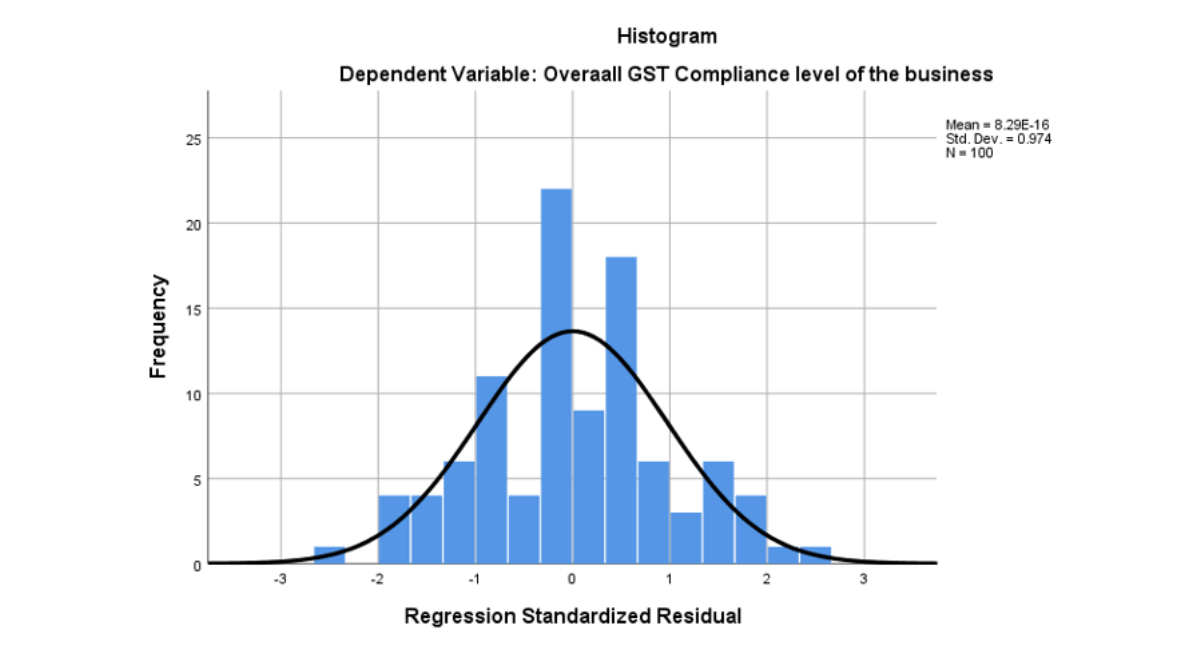
Figure 1: Histogram of Regression Standardized Residuals for Overall GST Compliance
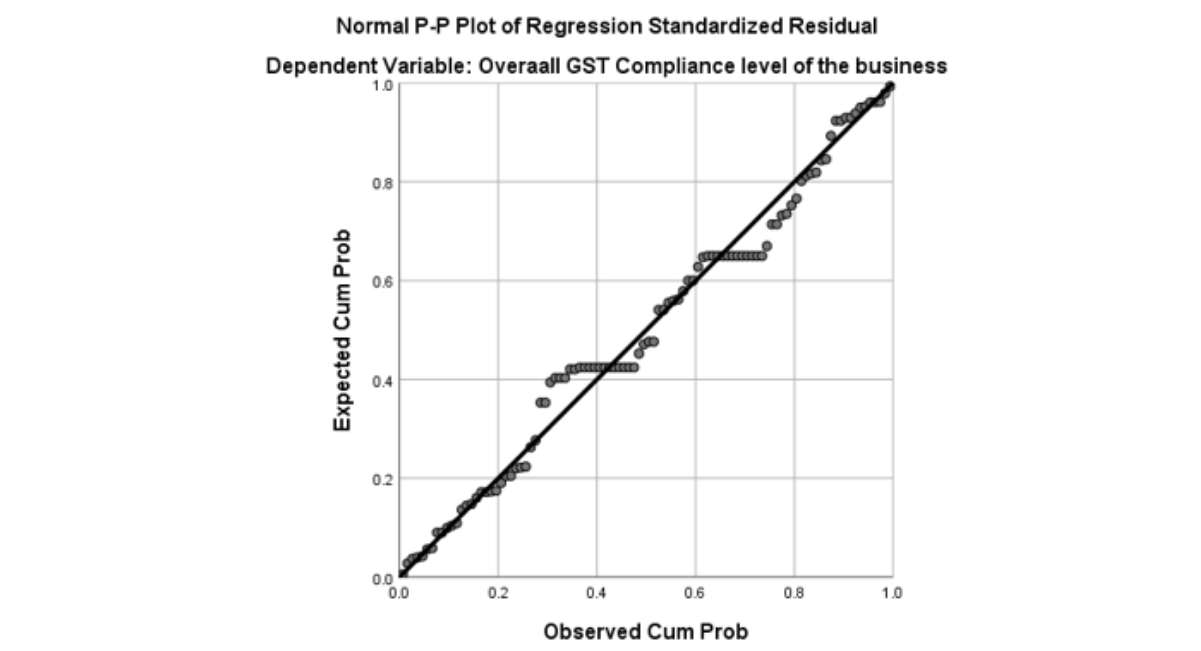
Figure 2: Normal P–P Plot of Regression Standardized Residuals for Overall GST Compliance
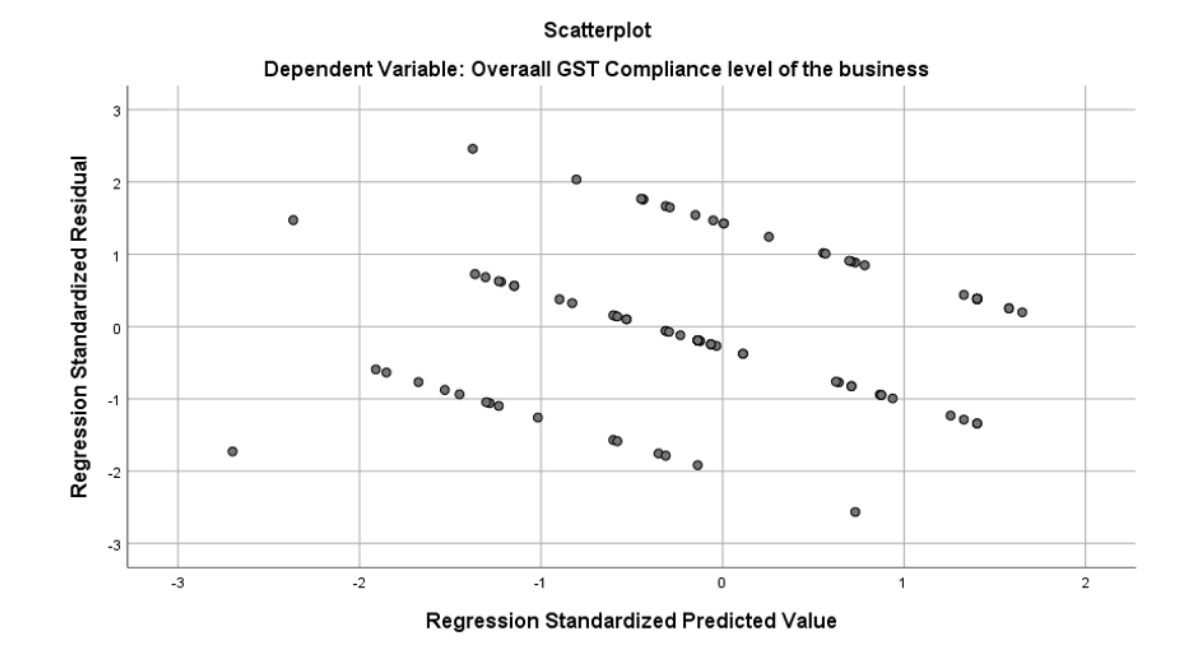
Figure 3: Scatterplot of Regression Standardized Residuals against Standardized Predicted Values for Overall GST Compliance
DISCUSSION
The findings highlight that while the Goods and Services Tax (GST) system has gained substantial acceptance, its overall effectiveness is driven by specific key factors:
Key Determinants of Compliance
The regression analysis identifies GST Knowledge and Training and the Complexity of Transactions as the most significant predictors of overall compliance. This aligns with standard tax compliance theory, which posits that a stakeholder’s ability to navigate the system is heavily dependent on their level of practical education and the inherent difficulty of the business transactions they handle [16,23].
Demographic Influence
Perceptions of compliance vary significantly across different demographics. For instance, Age was found to significantly influence the perceived Timeliness of Filing, which reflects broader findings regarding age-related variance in administrative adaptation [20]. Meanwhile, Education and Occupation notably impact the perceived Accuracy of Tax Credits, underscoring how professional expertise and educational background directly shape ITC optimization and filing precision [7,19].
Interconnectivity of Factors
There are strong positive correlations between various compliance factors. For example, Knowledge and Training are strongly associated with the effective Use of Technology, and Timeliness is closely linked to Accuracy. This demonstrates that improvements in training and technology adoption exert a cascading positive effect on all other dimensions of tax compliance [22].
Technology Gap
Although Use of Technology received a high mean score (4.00), it exhibited the highest variability among respondents. This high standard deviation points to a persistent "digital divide," where tech-literate firms streamline operations while micro-enterprises and specific demographic segments continue to struggle with full digital integration [11,13].
LIMITATIONS
Geographic Scope
Data collection was restricted to a single city (Chennai). The findings may not fully reflect the unique infrastructural barriers and compliance challenges faced by rural or semi-urban enterprises.
Single-Network Sample
The data relies on a localized cluster of business clients and practitioners. The tech variance (M = 4.00, SD = 0.89) might differ under a broader, multi-regional consulting framework.
Sample Scale
A sample size of N = 100 limits the absolute generalizability of the model's predictive power (R square = 0.370) across the national economy. Future multi-state or cross-sectoral studies are recommended.
CONCLUSION
The study concludes that only GST Knowledge and Training and Complexity of Transactions are significant unique predictors of compliance, while Timeliness, Accuracy, and Technology adoption do not yield unique statistical significance. Furthermore, while general sentiment toward compliance remains high, the Use of Technology factor recorded the lowest mean and highest variance, confirming a persistent digital divide across different firm sizes and demographic segments [11,13]. Ultimately, the data demonstrates that sustainable compliance cannot be forced through strict penalties or enforcement mechanisms alone, but must instead be achieved by bolstering stakeholder training and simplifying complex transactional workflows [15,20].
The transition to GST in India has been largely successful in creating a more transparent and unified taxation framework, with respondents generally holding positive perceptions of its compliance practices [3,5]. However, the research underscores that the system's full potential is currently hindered by procedural complexities and gaps in technological adaptation [7,14]. By empowering taxpayers with better knowledge and more intuitive digital tools, the government and businesses can move toward a more sustainable and inclusive compliance culture [23,25]. Ultimately, addressing these systemic bottlenecks will be essential for GST to evolve into a truly seamless and efficient destination-based tax system [4,6].
REFERENCES
- Goods and Services Tax Network. Analytical report on e-way bills and tax evasion trends. Government of India; 2021.
- Government of India. The Constitution (One Hundred and First Amendment) Act, 2016. Ministry of Law and Justice; 2016.
- Mukherjee S. Five years of GST in India: Reflecting on structural reform and revenue outcomes. National Institute of Public Finance and Policy Working Paper Series. Working Paper No. 312; 2020.
- Rao MG. Goods and Services Tax in India: Progress, performance, and prospects. J Quant Econ. 2019;17(3):481-498. [Google Scholar]
- World Bank. India development update: India's GST reform - progress and prospects. Washington, DC: World Bank Group; 2018. [Google Scholar]
- Poddar S, Ahmad E. Goods and Services Tax in India: Problems and prospects. Asian Development Bank Institute Working Paper Series. No. 982; 2019. [Google Scholar]
- Lourdunathan F, Freeda S. A study on SMEs' readiness and challenges toward Goods and Services Tax (GST) in India. Int J Sci Res Publ. 2017;7(5):180-188.
- Reserve Bank of India. Report of the expert committee on micro, small and medium enterprises. Mumbai: Reserve Bank of India; 2019. [Google Scholar]
- Chatterjee S, Gupta R. Automated auditing and technological maturity under India's GST regime. Indian J Econ Dev. 2022;18(1):45-56.
- National Institute of Public Finance and Policy. Digital tax administration and compliance automation in India. NIPFP Press; 2021.
- Srinivasan R, Kumar V . Bridging the digital divide in Indian tax administration: Policy pathways for micro-enterprises. J Public Budg Account Financ Manag. 2021;33(4):415-432.
- International Monetary Fund. India: Article IV consultation staff report. IMF Country Report No. 22/350. Washington, DC: International Monetary Fund; 2022.
- Sharma A, Agarwal M. Cash flow vulnerabilities and Input Tax Credit delays among Indian MSMEs. J Small Bus Manag. 2023;61(2):512-534.
- Chowdhury A, Das S. Accounting practitioners and the GST system: Operational challenges and institutional burdens. Chartered Account J. 2022;71(4):210-218.
- Alm J, Liu Y, Zhang K. Financial constraints and tax compliance: Logistical and empirical evidence. J Econ Behav Organ. 2020;178:286-302.
- Palil MR, Mustapha AF. Factors affecting tax compliance behaviour in self-assessment system. Afr J Bus Manag. 2011;5(33):12864-12872. [Crossref] [Google Scholar]
- Bala M, Gupta S . Goods and Services Tax (GST) in India: Progress, performance, and potential. J Commerce Account Res. 2018;7(2):15-24.
- Nayyar A, Singh I. A comprehensive analysis of Goods and Services Tax (GST) in India. J Financ Quant Anal. 2018;9(1):112-128. [Crossref] [Google Scholar]
- Kaur J, Singh P. Multi-stakeholder perceptions of GST implementation in India : A comparative empirical study. Asia Pac J Tax. 2021;25(1):89-104.
- Devos KNH. Factors influencing individual taxpayer compliance behaviour. Dordrecht: Springer; 2014. 342 p. [Crossref] [Google Scholar]
- McKerchar M, Evans C. Sustaining growth in developing economies through improved taxpayer compliance: Challenges for policy makers and revenue authorities. eJ Tax Res. 2009;7(2):171-201. [Crossref] [Google Scholar]
- Venkatesh V, Thong JY, Xu X. Consumer acceptance and use of information technology: Extending the unified theory of acceptance and use of technology. MIS Q. 2012;36(1):157-178. [Crossref] [Google Scholar]
- Bornman M, Ramutumbu P. A conceptual framework for tax literacy and tax compliance of micro-businesses. J Financ Manag Prop Constr. 2019;24(3):323-340.
- Bird RM, Zolt EM. Tax policy in emerging countries. Environ Plan C Gov Policy. 2008;26(1):73-86. [Crossref] [Google Scholar]
- Organisation for Economic Co-operation and Development. Tax administration 2021: Comparative information on OECD and other advanced and emerging economies. Paris: OECD Publishing; 2021. [Crossref] [Google Scholar]
- Woodward L, Tan LM. Small business owners' attitudes toward GST compliance: A preliminary study. J N Z Bus. 2015. [Crossref] [Google Scholar]
- Chouhan V, Shakdwipee P, Khan S. Measuring awareness about implementation of GST: A survey of small business owners of Rajasthan. Int J Res Finance Mark. 2017;7(6):31-40. [Google Scholar]
- Muhammad I. Post implementation of Goods and Services Tax (GST) in Malaysia: Tax agents' perceptions on clients' compliance behaviour and tax agents' roles in promoting compliance. Int J Bus Manag. 2017;12(9):198-207. [Crossref] [Google Scholar]
- Ramli R, Palil MR, Abu Hassan NS, Mustapha AF. Compliance costs of Malaysian SMEs following GST implementation. Asian J Account Gov. 2015;6(1):1-12.
- Santharih A. A study of the factors affecting the recurrent compliance costs of the goods and services tax (GST) of business taxpayers in Malaysia. Int J Econ Bus Adm. 2024;12(2):55-70. [Google Scholar]
- Hiregange M . A practical guide to GST audits and certification. 2nd ed. Snow White Publications; 2021.
- Tyagi A, Rai K, Gupta P, Sardana S. Issues and challenges of GST. Int J Manag Stud. 2019;6(1):112-121. [Google Scholar]
- Jain A, Jain P. Benefits and challenges of GST regime. J Commerce Trade. 2019;14(1):55-62.
- Nandal S, Khera D. Role of GST knowledge in GST compliance: Evidence from small enterprises of Haryana state in India. Int J Manag Appl Sci. 2022;8(3):21-27. [Google Scholar]
- Sapiei NSB. Compliance costs and the behaviour of SMEs with the implementation of GST in Malaysia. J Asian Bus Econ Stud. 2017;24(2):145-162. [Google Scholar]
- Akshaya M, Arun Kumar SK, K M Rakshith. The impact of GST on accounting practices in Chartered Accountant firms. Int J Adv Res Ideas Innov Technol. 2025;11(2).
- Bansal A, Jain V, Chatterjee G. GST and tax evasion in India: Evidence from practitioner surveys. Prabandhan. 2026;19(3):47-65. [Crossref] [Google Scholar]
- Chopra R, Modi S. Digital tools and compliance infrastructure: An accounting perspective on regional SMEs under the GST regime. J Bus Tax Enforc. 2025;8(2):114-129.
- Yadav R. A study on the difficulties encountered by small enterprises in India under the GST regime. Int J Res Technol. 2026;14(1):531-541. [Google Scholar]
- Kavitha M, Vijayasree D. Working Capital Pressures and Input Tax Credit Delays Under Gst: Evidence from Small and Medium Enterprises in Bengaluru's Industrial Clusters. Int J Econ Pract Theor. 2026;15(2):204-223. [Crossref] [Google Scholar]