
Journal of Global Public Health and Healthcare Innovation (Annual (One issue per year))
ABSTRACT
Background
REACH implemented a systematic intervention to involve private pharmacists in tuberculosis (TB) control efforts through linkage with the public health system and the National TB program in Chennai, India.
Methods
A retrospective analysis of the programmatic data from January 2013 to December 2017 from the pharmacy engagement project in Chennai, India, was conducted. Private pharmacists were sensitized using the DIRECT strategy (Display-Identify-Refer-Educate-Counsel-Treatment support). Data on pharmacist participation, referrals, diagnostic yield, and treatment outcomes were analyzed using descriptive statistics.
Results
We sensitized 2100 pharmacists and 634 actively referred PwSTB. It led to the referral of 2,918 people with TB symptoms, of whom 802 were already diagnosed with TB. Among the 2116, 1209 (57%) underwent further testing and 286 (24%) were diagnosed with TB, demonstrating a high yield of TB detection, and 99% of those diagnosed were initiated on TB treatment. Among them, 59% had bacteriological confirmation. Over 99% of those diagnosed were initiated on anti-TB treatment, and among the 588 people who had treatment outcomes, the treatment success rate was 86%. Over the five years, the number of engaged pharmacies increased from 135 in 2013 to 393 in 2017.
Implication and Conclusion
This model significantly enhanced TB case detection and improved treatment outcomes in large urban setting. This approach highlights the critical role pharmacies can play in public health initiatives. Similar models could be implemented in other high-burden settings to support global efforts to eliminate tuberculosis.
Keywords: Tuberculosis; Pharmacists; Pharmacy Engagement; Public-Private Mix Model
INTRODUCTION
Despite the free services from the National TB Elimination Programme, many patients seek care from private providers, including pharmacies, especially those in low-income countries, who often turn to the private sector first. National Sample Survey data show that more than 50% of PwTB attend a private facility for TB care [1]. A care pathway study in 13 countries showed that 60% of TB patients started their care seeking in the private or informal sectors, including pharmacies [2]. This finding underscores the critical importance of engaging the private sector to find and treat missing TB cases. In India, pharmacies are highly accessible due to their large numbers, extended hours of functioning, proximity to the people, etc. Many patients, including those with TB symptoms, first contact pharmacies where various drugs, including antibiotics, can be purchased over the counter in pharmacies [3-4]. In one of the surveys done in India and other countries, it was reported that 40-60% of people with TB (PwTB) had approached pharmacies before they consulted a medical practitioner [5-6]. Successful engagement of private providers, including pharmacists, is crucial for increasing the case finding [7]. Though in today’s trend, pharmacists act only as drug dispensers, they can contribute in multiple ways to effective TB care, especially in the private sector [8]. To effectively engage the pharmacists in TB Care and control in LMICs, a paradigm shift is vital to reinforce the role of pharmacists [9].
Rationale
Pharmacies are an important player in the care cascade of a person with TB seeking care in the private sector. The public-private partnerships for TB care primarily focus on engaging chest physicians and private practitioners and do not focus on pharmacies [10]. With this rationale, a pharmacy engagement initiative was implemented in Chennai, India, under the overall umbrella of private sector engagement, to involve pharmacists in facilitating diagnosis, reducing treatment delay, improving treatment literacy, and treatment adherence. It also focused on facilitating pharmacists to act as treatment supporters, thereby improving access to and quality of treatment in the private sector and facilitating the participation of private pharmacies as key stakeholders.
OBJECTIVES OF THE STUDY
- To describe the implementation of the DIRECT strategy for the pharmacist engagement model for TB care in the private sector in Chennai.
- To assess the referral yield and treatment outcomes from the pharmacist engagement model for TB care in the private sector in Chennai.
- To document the lessons learned from the pharmacist engagement model for TB care in the private sector in Chennai.
METHODS
We used retrospective analysis of the programmatic data from the project implementation, and the period of data inclusion was from 2013 to 2017, encompassing the entire implementation period. The project was implemented in Chennai, Tamil Nadu. Chennai is a metropolitan city with a population of 7.2 million, and the National TB program in Chennai was implemented through 36 tuberculosis units (TUs), with each TU catering to ~200,000 people. REACH has been implementing private sector engagement to offer holistic TB care services to people seeking care in the private sector through PPM centres. The project data was recorded in Microsoft Excel 2016. The study population included all pharmacists who were sensitized and the referrals from them. All the basic details of referrals from the pharmacies and the details of tests done under the National TB Programme at the TB treatment facility were recorded. Data quality was ensured by random verification with the hard copies of the data collection forms. We used the de-identified data set for analysis. The details of those people with symptoms of TB (PwSTB) and PwTB who were neither referred by the pharmacists nor issues a referral slip by the pharmacists were not included as their details were unavailable. Data analysis was done using IBM SPSS 22 for Windows 10. Descriptive statistics were used for the analysis. The study was reviewed and approved by the REACH Independent Ethics Committee. Since it is a retrospective analysis of the programme data, we obtained a waiver of consent from the Ethics Committee.
Operational Definition
Here, engagement of a pharmacy means a referral from pharmacy for any TB-related service, either for diagnosis or for treatment at any given time point during the implementation period.
‘DIRECT’ Strategy for Pharmacists' Engagement in TB Care
As a first step, REACH identified and coordinated with the various branches of the pharmacy associations in Chennai. Several rounds of discussions were held to discuss the feasibility and modality of field-level implementation of the proposed activities, and their inputs were incorporated into the development of the pharmacy engagement strategy called the DIRECT strategy. Based on the discussions with the pharmacy associations, the feasibility and modality of field-level implementation of the proposed activities, along with their inputs, were incorporated into the development of the pharmacy engagement strategy, known as the DIRECT strategy. DIRECT stands for
D – Display of TB Information
I – Identification of people with TB symptoms
R – Referral of people with TB symptoms and TB
E – Education of people with TB
C – Counselling for people with TB
T – Treatment providers
The intervention was implemented from January 2013 through December 2017 in Chennai, India.
Sensitization workshops were organized with the support of the various zonal pharmacy association office bearers in Chennai. All the pharmacists were trained in the basics of TB, referral mechanism, the overall objectives of the pharmacy engagement, and the DIRECT strategy to improve their quality of services in TB care [11]. The process of sensitization is given in Figure 1.
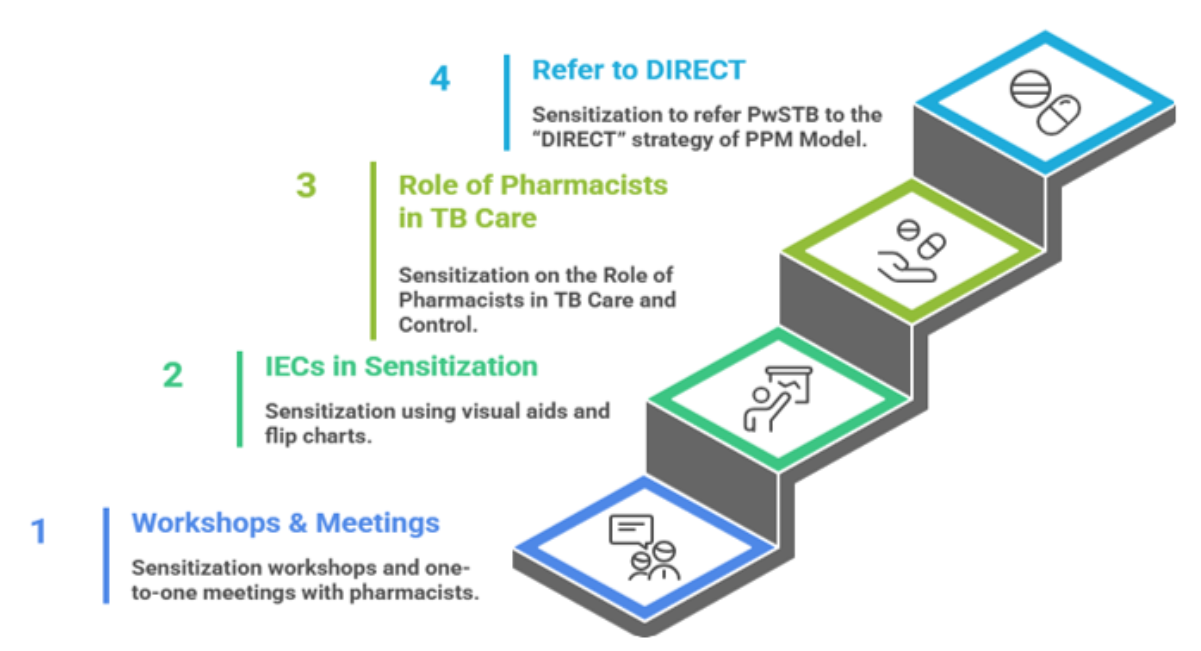
Figure 1: Process of Sensitization of the Pharmacists in TB Care and Control through
DIRECT Strategy
Periodic follow-up visits to the pharmacists by the field staff were done regularly to follow up on referrals and facilitate linkages for those PwSTB identified and referred by the pharmacists to diagnostic facilities. Periodic refresher trainings were conducted for pharmacists with the support of the pharmacy associations to sensitize new members and motivate them to adopt the DIRECT strategy. They were also provided with the communication materials on TB that they could display. Referral coupons were provided to them to fill in the details of those whom they identify as PwSTB and refer, and the patient can use the coupons to reach out to the nearby public health facility. They were also requested to educate people with TB regarding the routine refills as per the doctor’s prescription and to ensure treatment adherence [12]. Some of them also acted as DOT providers wherein they dispensed anti-TB medicines based on the doctor’s advice. They also referred those who were already diagnosed with TB for further care and support and provided counselling to them. Though previously diagnosed, when referred, they were linked to the TB program for sputum smear microscopy and further evaluation as per the standard guidelines. The referral process flow in given in Figure 2.
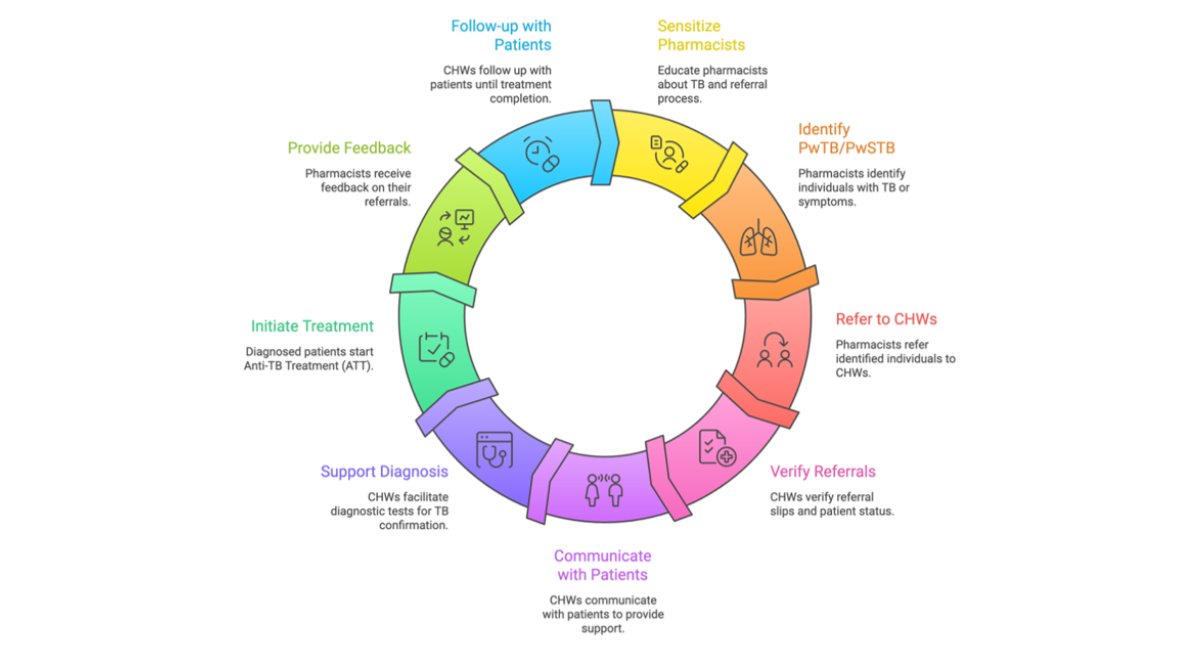
Figure 2: Referral Process flow in Pharmacy Engagement
RESULTS
From 2013 to 2017, 2100 pharmacies were sensitized. From 135 pharmacies engaged in 2013, with 241 referrals, the number of referrals increased through continuous engagement, reaching 1033 people across 393 pharmacies in 2017. Over the project period, 634 (30%) pharmacies were engaged in all, among whom more than 81% of the pharmacies referred 1 to 5 people, and 19% referred 6 or more people for TB care and support services. During this period, 2918 people were referred by pharmacists, of whom 2116 were people with symptoms of TB and 802 were people with TB. Among the 2918 referrals, 1051 (36%) were females and 1867 (64%) were males. While 140 (4.8%) were in the age group of 0-14 years, 2281 (78.2%) belonged to the age group of 15-59 years, and 497 (17%) were in the age group of 60 years and above. Out of 2918 PwSTB, 50% underwent sputum smear microscopy and 41% underwent Chest X-ray and the overall testing among the PwSTB was 57%. Figure 2 describes the diagnosis process of all people with TB symptoms referred during the project period by the pharmacies.
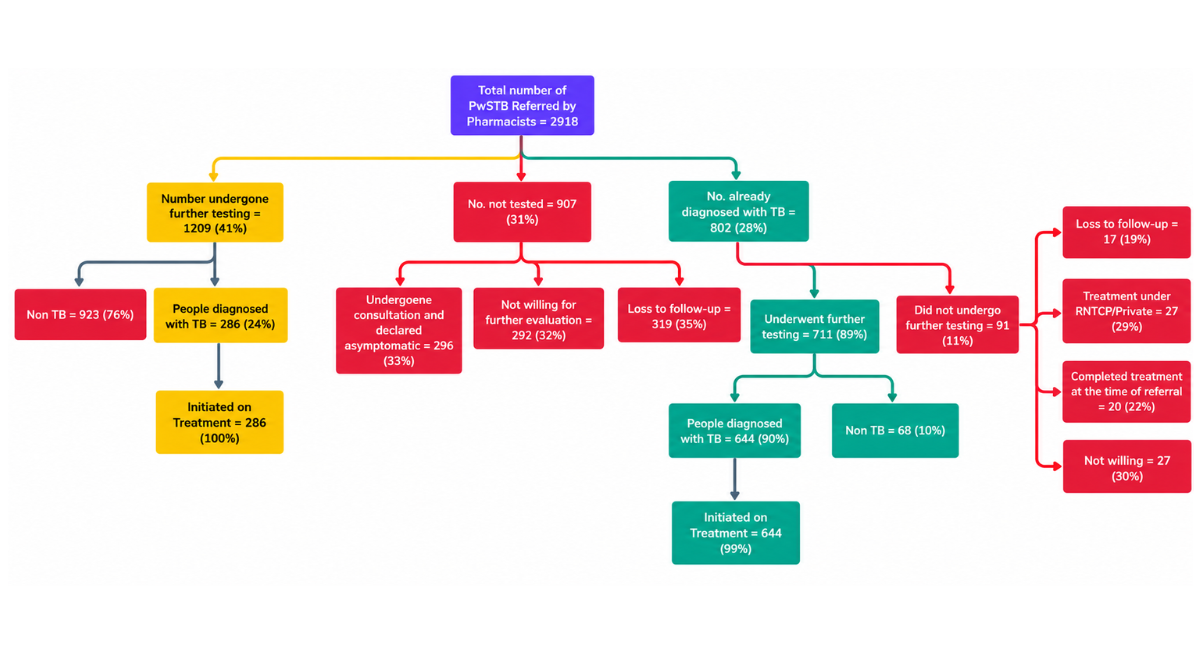
Figure 3: Diagnosis of TB among people with symptoms/TB referred by Pharmacies (2013 to 2017)
Among 1209 referrals who underwent further testing, 286 (24%) were diagnosed with TB of whom 249 (87%) had pulmonary TB, and 147 (59%) were bacteriologically positive. All the 286 (100%) people diagnosed were successfully initiated on treatment. Similarly, among the 644 PwTB among the referrals who were already diagnosed, 498 (77%) had pulmonary TB, of whom 195 (39%) had bacteriological confirmation. Table 1 provides the details of treatment outcomes among those identified and diagnosed with TB.
|
S. No |
Treatment Outcome Details |
PwSTB Referrals |
Already diagnosed |
Total |
|
1 |
Number diagnosed with TB |
286 |
644 |
930 |
|
2 |
Number of PwTB with treatment outcome available at the time of project closure |
161 |
427 |
588 |
|
3 |
Number successfully completed TB treatment |
131 |
376 |
507 |
|
3.1 |
Treatment Success Rate (%)* |
81 |
88 |
86 |
Table 1: Treatment outcomes details
*Number successfully completed TB treatment divided by Number of PwTB with treatment outcome available at the time of project closure
DISCUSSION
Our study demonstrates that systematic engagement of private pharmacists through the DIRECT strategy can substantially strengthen the TB program in the entire TB care cascade, right from the time of symptom identification till the documentation of treatment outcomes. Over the period of five years, we sensitized 2100 pharmacies with 2918 referrals, of whom 930 were diagnosed with TB. While there is a lack of data regarding the referrals from pharmacy that gets converted to a successful testing/consultation for TB in Tamil Nadu, our model had a testing rate of 66%. With the positivity of 24% and treatment success rate of 86%, it highlights the feasibility of integrating pharmacists in the spectrum of private sector engagement under the National TB Elimination Programme (NTEP) [13].
Out study results are consistent with similar studies done in Patna, India; which reported a similar yield of 25% among the referrals. However, the bacteriological confirmation in the Patna model was 25% whereas in our model, it was 59% demonstrating a higher confirmation for TB and the comparison is given in the table 2. This is at par with the bacteriological confirmation of the TB program in Chennai [2]. We were able to achieve better bacteriological testing and confirmation as the PwSTB were referred to the nearby PPM centres of REACH as they were equipped with sputum smear microscopy testing where the test was offered free of cost to them [14]. Before the referrals, we also sensitized and trained the microbiologists in these PPM facilities which helped in smooth coordination of testing and reporting the results and also ensured standards and quality in testing. In addition, the community health workers from the project continuously followed-up and taught how to produce sputum among those PwSTB who were initially unable to produce sputum and ensure SSM testing.
Despite the other pharmacy models done in Patna and Mumbai where the engagement was demonstrated for case finding, this model, implemented over five years, has also recorded and reported the treatment outcomes of those people with TB identified from this model [2,15]. The JEET model of pharmacy engagement has reported mainly on TB notifications whereas the DIRECT model facilitates them as a key stakeholder in the care continuum for TB [8]. It has also provided an opportunity for those who were already diagnosed with TB in the private sector by offering quality-assured testing as per the guidelines of the National TB Program. The five-year engagement led to sustained engagement of the pharmacists and led to collaboration between the pharmacy associations, which in turn strengthened the engagement.
This is due to the improved linkage quality and adherence to testing guidelines as per the NTEP, ensuring the standards in TB testing and likely due to the subsequent refresher training to the pharmacists and period follow-ups to provide feedback of their referrals. This collaboration promoted ownership among the pharmacists, leading to sustainability, distinguishing our intervention from other short-term pilots done elsewhere.
|
S. No |
Indicators |
Patna Model [2] |
REACH DIRECT Model |
|
1 |
Sputum Smear Microscopy |
44% of the referrals |
50% of the referrals |
|
2 |
Yield from referrals tested |
15% |
23% |
|
3 |
Bacteriological confirmation among those diagnosed with TB referrals |
24% of People with TB |
59% of People with TB |
|
4 |
Treatment outcome |
Not reported |
86% treatment success rate |
Table 2: Comparison between Patna Model and REACH DIRECT Model
Similarly, the model demonstrated a treatment success rate of 86% which is much higher than the treatment success rate of Tamil Nadu and India in 2016. When compared with other models, such as the one implemented by JEET in Mumbai, wherein the notifications were focused, this model included a comprehensive engagement right from the time of symptom identification through referral and till treatment outcomes of the PwTB [14-15].
The DIRECT strategy implemented in Chennai effectively utilized the widespread presence and accessibility of pharmacies to enhance TB case finding and treatment adherence. The initiative not only facilitated early diagnosis and treatment but also helped in reducing the unnecessary use of antibiotics, which is crucial for preventing drug resistance. In a setting where over half the people with symptoms of TB approach the private sector, this model highlights the pivotal role played by pharmacists in providing early care and support and ensuring quality diagnosis [9]. This can be leveraged to reduce the delay in diagnosis and also to prevent inappropriate antibiotic usage and over-the-counter prescriptions [16].
KEY LEARNINGS FROM OUR PHARMACY ENGAGEMENT FOR TB CARE
Our experience shows that effective pharmacy engagement in TB care works best when pharmacists are viewed as trusted partners in the community, not just as service providers. A key lesson was that starting engagement through the Pharmacy Association office bearers served as a strong entry point [17]. They helped build credibility, mobilize pharmacists, and create a sense of shared ownership in the intervention. Notably, pharmacists were willing to participate without financial incentives [13]. This suggests that recognition, better client relationships, and a meaningful role in public health are strong motivators for private-sector involvement.
The periodic refresher training on evidence-based decision making for TB referrals and continuous support provided to pharmacists were key factors in the sustained success of this program. These efforts ensured that pharmacists remained motivated and well-informed about their role in TB care, leading to consistent referrals and high-quality patient care [18]. Pharmacies referred those with TB symptoms and TB patients to the nearest TB care facility (both government and PPM facility managed by REACH) for diagnosis and treatment services. The engaged pharmacists never felt the business concern of sending their referrals to a public health system, but rather as their public health responsibility for a social cause [19-20]. Interactions with the pharmacists during the workshop and the review meetings have emphasized the fact that they have understood the importance of referring patients, especially those who cannot afford treatment. Routine feedback was provided to the pharmacists regarding the referrals during the one-to-one meeting by the project staff and pharmacy-wise referral and testing details were presented to them during the periodic refresher trainings and during the pharmacy association meetings.
Training pharmacists as referral agents and Directly Observed Treatment (DOT) providers brought clear benefits for both pharmacists and their clients. Pharmacists noted that providing DOT added significant value to their services and improved their relationships with clients. Their regular and trusted interactions with community members made them well-suited to counsel patients receiving private prescriptions, support treatment adherence, and encourage completion of TB treatment [17]. Pharmacists involved in symptom referral, patient referral, and DOT provision also saw a notable improvement in their reputation within the community [12]. This highlights how TB engagement can create both professional and social value, beyond just financial rewards. Pharmacists also openly displayed TB-related posters and handed out medicine covers with TB messages, spreading awareness beyond the pharmacy counter into everyday community life.
Community meetings helped position pharmacies as accessible and trustworthy sources of TB information, potentially boosting long-term community awareness and demand for services. Importantly, the intervention created direct connections between pharmacists and government TB program staff. This allowed government health workers to directly interact with pharmacists who were managing TB patients, while patients could get treatment from providers they already trusted and felt comfortable with.
Finally, systematic feedback and follow-up processes enabled better monitoring of referrals, identification of gaps in implementation, and ongoing program improvements. Integrating pharmacies into a broader private-sector model strengthened the care pathway by linking pharmacist-referred patients to PPM centers for TB diagnosis, clinical examination, second opinions, treatment, and nutritional support. Overall, these findings show that pharmacies can act not just as referral points, but as integral community partners capable of extending, supporting, and maintaining TB care beyond traditional health system limits.
One of the limitations in the implementation was the missing referrals, as the pharmacy sales counter was busy and sometimes pharmacists missed documenting the details of those referred for testing and other support services. Though pharmacists provided counselling and IEC to those who are already on ATT, this was not captured due to their busy schedule [15]. We were also unable to track certain referrals that were sent by the pharmacists directly to the NTEP health facility without informing the project staff. While most of the other pharmacy interventions focused only on referrals, apart from the referral of PwSTB, this model also focused on those who are already diagnosed with TB to ensure quality of diagnosis and care, which is a unique and novel approach.
While there are models to engage with private practitioners for TB care, to the best of our knowledge, this is one of the first projects to demonstrate successful engagement of pharmacies in TB care and control and to report the treatment outcomes of the intervention after 5 years of implementation, which is often left out in private sector engagement. The project demonstrated higher yield among the referrals getting tested compared with other models and the program data. Also, this project has established an effective partnership with the pharmacists and the pharmacy associations through persistent follow-up.
CONCLUSION
The implementation of the DIRECT strategy for pharmacists' engagement in TB care and control proved feasible and effective in enhancing the TB case detection and treatment outcomes in Chennai. This model demonstrated the impact that private pharmacists can have on TB elimination efforts in high-burden settings. By scaling up this model and leveraging the accessibility and reach of pharmacies, national TB programs can significantly improve case detection, reduce delays in diagnosis and treatment, and ultimately contribute to the goal of TB elimination.
ACKNOWLEDGEMENTS
The authors thank the Greater Chennai Corporation for their support through the TB program for testing and treatment of referred people with TB symptoms. The authors also thank the Pharmacy associations that supported the project implementation from the time of sensitization through follow-up.
AUTHOR CONTRIBUTIONS
RA, NK, and SA conceptualized the study. RA, NK and SP implemented the project. RT and SBS did the data curation, data analysis, and drafted the manuscript. RT, RA, SBS, NK, SA, and SP revised and finalized the manuscript.
FUNDING STATEMENT
The implementation was supported by The Lilly MDT-TB Partnership. However, there was no separate funding for this research work.
DATA AVAILABILITY STATEMENT
Restricted due to ethical/legal requirements as it includes the information from the National TB Program.
CONFLICTS OF INTEREST
The authors declare that there is no conflict of interest.
REFERENCES
- Miller R, Goodman C. Quality of tuberculosis care by pharmacies in low-and middle-income countries: gaps and opportunities. Journal of Clinical Tuberculosis and Other Mycobacterial Diseases. 2020;18:100135. [Google scholar] [Crossref] [Pubmed]
- Daftary A, Satyanarayana S, Jha N, Singh M, Mondal S, et al. Can community pharmacists improve tuberculosis case finding? A mixed methods intervention study in India. BMJ global health. 2019;4(3):e001417. [Google scholar] [Crossref] [Pubmed]
- Chin DP, Hanson CL. Finding the missing tuberculosis patients. The Journal of infectious diseases. 2017;216(suppl_7):S675-8. [Google scholar] [Crossref] [Pubmed]
- Kalita A, Bose B, Woskie L, Haakenstad A, Cooper JE, et al. Private pharmacies as healthcare providers in Odisha, India: analysis and implications for universal health coverage. BMJ Global Health. 2023;8(Suppl 5). [Google scholar] [Crossref] [Pubmed]
- Daftary A, Jha N, Pai M. Enhancing the role of pharmacists in the cascade of tuberculosis care. Journal of epidemiology and global health. 2016;7(1):1. [Google scholar] [Crossref] [Pubmed]
- Miller R, Das J, Pai M. Quality of tuberculosis care by Indian pharmacies: mystery clients offer new insights. Journal of clinical tuberculosis and other mycobacterial diseases. 2018;10:6-8. [Google scholar] [Crossref] [Pubmed]
- Daftary A, Jha N, Pai M. Enhancing the role of pharmacists in the cascade of tuberculosis care. Journal of epidemiology and global health. 2016;7(1):1. [Google scholar] [Crossref] [Pubmed]
- World Health Organization. Public-private mix for TB care and control: a toolkit. [Google scholar] [Crossref]
- Daftary A, Jha N, Pai M. Enhancing the role of pharmacists in the cascade of tuberculosis care. Journal of epidemiology and global health. 2016;7(1):1. [Google scholar] [Crossref] [Pubmed]
- Smith F. Private local pharmacies in low‐and middle‐income countries: a review of interventions to enhance their role in public health. Tropical Medicine & International Health. 2009;14(3):362-72. [Google scholar] [Crossref] [Pubmed]
- Smith F. The quality of private pharmacy services in low and middle-income countries: a systematic review. Pharmacy world & science. 2009;31(3):351-61. [Google scholar] [Crossref] [Pubmed]
- Cernasev A, Stillo J, Black J, Batchu M, Bell E,et al. Pharmacists’ role in global TB elimination: practices, pitfalls, and potential. InHealthcare 2024 (Vol. 12, No. 11, p. 1137). MDPI. [Google scholar] [Crossref] [Pubmed]
- Konduri N, Delmotte E, Rutta E. Engagement of the private pharmaceutical sector for TB control: rhetoric or reality?. Journal of pharmaceutical policy and practice. 2017;10(1):6. [Google scholar] [Crossref] [Pubmed]
- Central TB Division M of H and FW. India TB Report 2018 . New Delhi; [cited 2025 Oct 27].
- Gandhi R, Deepak KG, Verma G, Chaubey S, Kumar L, et al. Engaging private pharmacies to help end TB in India. The International Journal of Tuberculosis and Lung Disease. 2022;26(5):457. [Google scholar] [Crossref] [Pubmed]
- Satyanarayana S, Kwan A, Daniels B, Subbaraman R, McDowell A, et al. Use of standardised patients to assess antibiotic dispensing for tuberculosis by pharmacies in urban India: a cross-sectional study. The Lancet Infectious Diseases. 2016;16(11):1261-8. [Google scholar] [Crossref] [Pubmed]
- Viveka Roychowdhury. Pharmacists can be true changemakers in population health. Express Pharmac. 2015 Dec 10 [cited 2026 Aug 12].
- Jacob RR, Duggan K, Allen P, Erwin PC, Aisaka K, et al. Preparing public health professionals to make evidence-based decisions: a comparison of training delivery methods in the United States. Frontiers in public health. 2018;6:257. [Google scholar] [Crossref] [Pubmed]
- Miller R, Wafula F, Eman KU, Rakesh PS, Faleye BO, Duggan C, Sousa Pinto G, Heitkamp P, Rana N, Klinton JS, Sulis G. Pharmacy engagement in TB prevention and care: not if, but how?. BMJ Global Health. 2023;8(7):e013104. [Google scholar] [Crossref] [Pubmed]
- Govindan D, Chinnakali P, Sarkar S, Soundappan G. Willingness for Active Case Finding of Tuberculosis among Community Pharmacists in Puducherry. Indian Journal of Public Health. 2024;68(4):526-33. [Google scholar] [Crossref] [Pubmed]