
Journal of Global Public Health and Healthcare Innovation (Annual (One issue per year))
ABSTRACT
Women’s lives are journeys shaped by shifting biology, evolving roles, and changing nutritional needs. Often, what happens in one stage the teenage years, early motherhood, or beyond menopause casts long shadows over physical strength, mental clarity, and emotional wellness in later years. Current global data show that the challenge is real: in 2019, nearly 30% of women aged 15-49 had anemia worldwide, with rates climbing even higher among pregnant women. World Health Organization.
At the heart of many health issues across the female lifespan are nutritional shortfalls micronutrients unfulfilled by diet alone. For example, meta-analyses in recent years confirm that combined daily calcium (≈1000-1200 mg) plus vitamin D (≈400-800 IU) supplementation lowers the risk of hip fractures by about 16%, and reduces overall fracture risk modestly by ~6%, especially in older women.
These are not just numbers they translate into fatigue, broken bones, missed work, lost confidence, and emotional strain. When adolescents lack iron and folate, they often contend with low energy, poor school performance, and increased illness. When pregnant women lack iodine, vitamin D, or omega-3s, the growth and brain development of their babies can be compromised. When older women lack sufficient protein, vitamin B12, and vitamin D, mobility can decline, risk of falls can rise, and quality of life can erode.
This review brings together epidemiological studies, government health data, and clinical trials from 2015-2025 to map out how strategic supplementation tailored to each life stage can make a difference. From supporting teenage bodies with iron and calcium; to fortifying pregnancy with folic acid, iodine, Omega-3s; to helping women in menopause and later years protect bones and preserve cognitive health these interventions are powerful tools for prevention.
Above all, supplementing wisely isn’t just about nutrients it’s about restoring energy, strengthening resilience, protecting dignity. When public policies, health systems, and everyday choices align around women’s unique needs, illness can be prevented, health disparities reduced, and each woman’s potential better fulfilled through every season of life
Keywords: Women's Health; Nutritional Supplementation; Micronutrient Deficiency; Disease prevention; Life Course Nutrition; Pregnancy and Maternal Health; Healthy Aging; Preventive Nutrition
INTRODUCTION
Women’s health is a dynamic journey shaped by a complex interplay of biological, hormonal, and sociocultural factors across the lifespan. From childhood through adolescence, reproductive years, pregnancy, menopause, and older age, women experience distinct physiological changes that create unique nutritional needs. When these needs are unmet, the consequences extend beyond physical health, affecting mental wellbeing, cognitive performance, productivity, and overall quality of life.
Globally, anemia remains a major public health concern, affecting approximately 28–30% of women of reproductive age as of 2019, with higher prevalence in low- and middle-income countries. Pregnant women are particularly vulnerable, with ~36% affected worldwide, which increases the risk of maternal morbidity, preterm birth, and low birth weight [1-3].
Bone health is another critical concern. Osteoporosis affects nearly 200 million women globally, most of whom are postmenopausal, leading to increased risk of fractures, disability, and loss of independence.Vitamin D deficiency is widespread, affecting over 60–70% of women in South Asia, and contributes to poor bone mineralization, muscle weakness, and higher fracture risk [4]. Vitamin B12 deficiency, especially common among vegetarians, is linked to neurological impairments, fatigue, and impaired cognition [5].
Nutritional gaps also have significant psychological implications. Iron deficiency anemia can lead to chronic fatigue, decreased attention, and emotional instability, while inadequate omega 3 intake has been associated with mood disorders and cognitive decline. Malnutrition during pregnancy not only affects maternal health but can also influence the neurodevelopmental outcomes and long-term cognitive abilities of the offspring [6].
Supplementation through tablets, fortified foods, or structured public health programs offers a practical and evidence-based approach to address these gaps. Unlike dietary intake alone, supplementation provides a reliable and measurable delivery of essential nutrients during critical life stages. Programs such as India’s Anemia Mukt Bharat (Intensified National Iron Plus Initiative, 2018), WHO’s daily iron and folic acid guidelines, and fortified food initiatives have
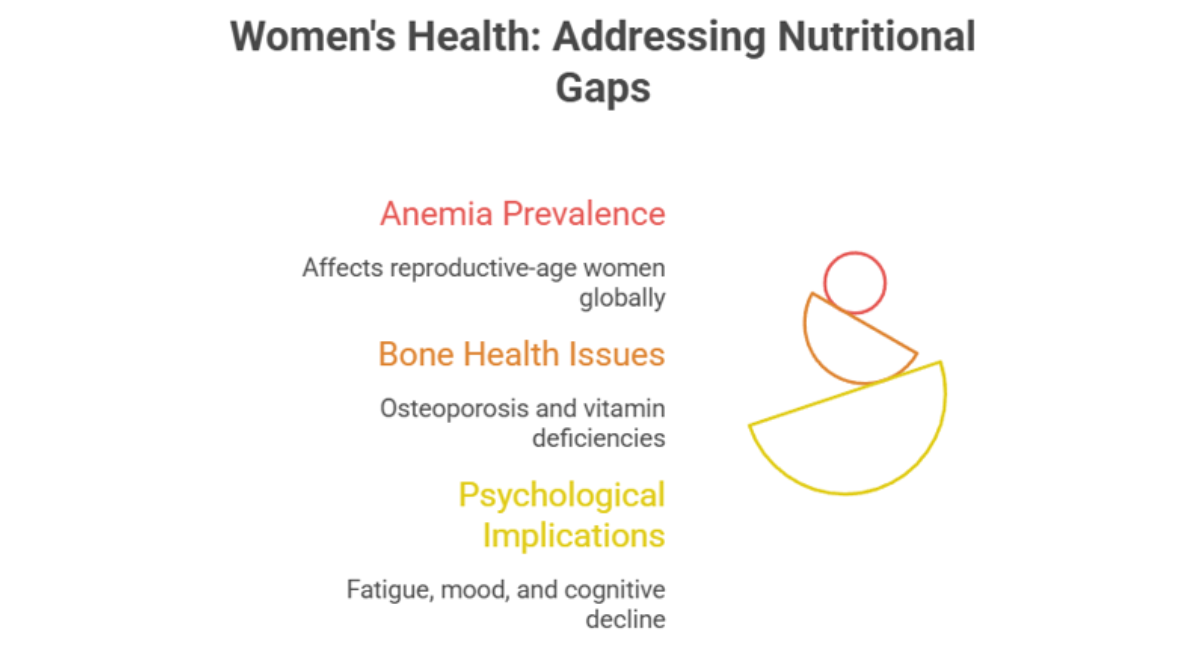
Figure 1: Women’s Health: Addressing Nutritional Gaps
Demonstrated measurable success in improving micronutrient status.
This review adopts a life-course approach, evaluating supplementation strategies across childhood, adolescence, reproductive years, pregnancy, menopause, and older age. By integrating epidemiological data, clinical evidence, and public health program outcomes, the review highlights the role of micronutrient supplementation in reducing disease risk, enhancing maternal and child health, and promoting healthy aging. A comprehensive understanding of these interventions not only informs policy and clinical practice but also empowers women to maintain vitality, cognitive health, and emotional wellbeing throughout their lives.
Childhood (0–12 years)
Key Risks
Childhood is a critical period of growth and development, during which nutritional deficiencies can have long-lasting physical and cognitive consequences. Globally, undernutrition remains a pressing concern. According to UNICEF (2021), approximately 22% of children under 5 years are stunted worldwide, with rates exceeding 40% in certain regions of India. Stunting in early years not only impacts height but is strongly associated with delayed cognitive development, poor school performance, and reduced productivity in adulthood [7].
Vitamin and mineral deficiencies also compromise immune function, making children more susceptible to frequent infections, diarrhea, and respiratory illnesses. Rickets, caused primarily by vitamin D deficiency, remains prevalent in South Asia, affecting bone mineralization and leading to skeletal deformities. Iron deficiency anemia, one of the most common micronutrient deficiencies, affects millions of children, contributing to fatigue, impaired attention, and slower cognitive development [8].
Recommended Supplementation
To mitigate these risks, targeted supplementation has been shown to be highly effective:
Iron
Essential for hemoglobin synthesis and brain development. Supplementation in children reduces the risk of anemia and improves attention, memory, and cognitive outcomes [9].
Vitamin D + Calcium
Crucial for skeletal growth, proper bone mineralization, and prevention of rickets. Combined supplementation ensures adequate bone strength and reduces fracture risk later in life [10].
Vitamin A + Zinc
Supports immune system maturation and enhances resistance to infections. High-dose vitamin A supplementation is associated with reduced childhood mortality in regions with endemic deficiency [8].
Evidence & Programs
Several international and national initiatives have successfully implemented supplementation programs:
- UNICEF & WHO have emphasized high-dose vitamin A supplementation in areas with endemic deficiency, showing 20–30% reductions in mortality among children under 5.
- India’s Mid-Day Meal Program, combined with Weekly Iron-Folic Acid (WIFS) supplementation, has improved hemoglobin levels and overall nutrition status among school-aged children.
- Community-based interventions delivering zinc during diarrheal episodes have been proven to reduce the duration and severity of infections in children, supporting overall growth.
Disease Prevention Impact
- Effective supplementation during childhood can reduce the health consequences of specific micronutrient deficiencies and support normal growth and development. However, the magnitude of benefit depends on the baseline nutritional status of the child, the prevalence of deficiency in the population, the dose and duration of supplementation, and adherence to the intervention. Evidence is strongest for targeted supplementation in populations at risk of deficiency, whereas routine supplementation of well-nourished children may provide limited additional benefit.
- Adequate iron intake is important for preventing and treating iron deficiency anemia and may support attention and cognitive development, particularly among children with iron deficiency. “Vitamin A supplementation has been shown to reduce mortality among young children in populations where vitamin A deficiency is prevalent.” Similarly, zinc supplementation is effective in reducing the duration and severity of acute diarrheal episodes in children. Evidence for vitamin D and calcium supplementation is more dependent on baseline nutritional status and may be most beneficial for children with inadequate intake or vitamin D deficiency.
- Overall, childhood supplementation should therefore be viewed as a targeted preventive strategy rather than a universal intervention. Nutritional assessment, dietary adequacy, age, health status, and the presence of documented or likely deficiencies should be considered when determining the need for supplementation. Further research is needed to clarify the long-term effects of combined supplementation strategies on cognitive development, bone health, and chronic disease risk across different populations.
Adolescence (13–19 years)
Key Risks
Adolescence is a critical developmental period characterized by rapid physical growth, hormonal changes, and, in girls, the onset of menstruation. Increased nutritional requirements during this stage may increase the risk of micronutrient inadequacy, particularly when dietary intake is insufficient. Iron deficiency is an important nutritional concern among adolescent girls because of increased iron requirements and menstrual blood loss, and inadequate iron intake may contribute to iron deficiency anemia and associated fatigue and reduced physical and cognitive functioning. Inadequate calcium and vitamin D intake may also limit optimal bone mineralization during the period of peak bone mass development.
Dietary patterns during adolescence may be influenced by irregular meal patterns, increased consumption of energy-dense and nutrient-poor foods, body image concerns, peer influence, and changing lifestyles. These factors can affect overall dietary quality and may influence adherence to nutritional interventions. However, the prevalence and clinical significance of specific nutrient deficiencies vary across populations according to dietary patterns, socioeconomic conditions, menstrual status, and access to health and nutrition services. Therefore, supplementation should be guided by nutritional requirements, dietary assessment, and the presence or likelihood of deficiency rather than being considered uniformly necessary for all adolescents.
Recommended Supplementation
Targeted supplementation may be beneficial for adolescents who have increased nutritional requirements, inadequate dietary intake, or an identified or likely micronutrient deficiency. Iron and folic acid (IFA) supplementation is particularly relevant for adolescent girls at risk of iron deficiency anemia. Adequate iron intake supports normal hemoglobin formation and physiological development, while correction of iron deficiency may improve fatigue and some aspects of cognitive and physical functioning. However, the magnitude of benefit depends on baseline iron status, adherence, dose, and duration of supplementation.
Calcium and vitamin D are important for bone development during adolescence, when a substantial proportion of peak bone mass is accumulated. Supplementation may be useful when dietary calcium or vitamin D intake is inadequate or deficiency is present, although evidence for routine supplementation in nutritionally adequate adolescents is less consistent. Multivitamin or multimineral supplements may help address specific dietary gaps when dietary improvement alone is insufficient, but they should not be considered a substitute for a balanced diet. The selection and duration of supplementation should therefore be individualized according to age, dietary intake, nutritional status, and specific health requirements.
Evidence & Programs
India’s Weekly Iron and Folic Acid Supplementation (WIFS) program has been implemented to address iron deficiency and anemia among adolescents, particularly adolescent girls. Evidence from iron and folic acid supplementation programs indicates that regular supplementation can improve hemoglobin status and reduce the risk of anemia among adolescents with inadequate iron intake or iron deficiency. However, the effectiveness of such interventions may vary according to baseline anemia prevalence, adherence, dietary intake, and the implementation of the program [11].
Evidence regarding calcium supplementation during adolescence suggests that adequate calcium intake can support bone mineralization and the development of peak bone mass. However, the magnitude of benefit from supplementation varies according to baseline calcium intake, vitamin D status, age, and other lifestyle factors, including physical activity. Therefore, the available evidence does not necessarily support routine calcium supplementation for all adolescents.
Combined approaches involving dietary counseling, supplementation, and school- or community-based nutrition programs may improve access to nutritional interventions and adherence. Nevertheless, studies differ considerably in intervention design, duration, population characteristics, and outcome measures, making direct comparison of results difficult. More long-term studies are needed to determine whether improvements in adolescent nutritional status translate into meaningful reductions in chronic disease and fracture risk later in life.
Disease Prevention Impact
Targeted nutritional supplementation during adolescence can help prevent or correct specific micronutrient deficiencies and support normal growth and development. Iron and folic acid supplementation may reduce the risk of iron deficiency anemia and associated symptoms, particularly among adolescent girls with inadequate iron intake or increased requirements. However, improvements in school performance or cognitive outcomes are not consistently demonstrated across all populations and may depend on baseline nutritional status and the severity of deficiency.
Adequate calcium and vitamin D intake contributes to normal bone development and the attainment of peak bone mass. Supplementation may provide additional benefit when dietary intake is inadequate or deficiency is present, but evidence regarding its ability to prevent osteoporosis or fractures decades later remains limited. Similarly, multivitamin or multimineral supplementation may help address specific dietary gaps but should not be considered a substitute for a balanced diet or a universally effective strategy for preventing chronic disease.
Overall, nutritional interventions during adolescence may contribute to improved nutritional status and support healthy development, but their long-term preventive effects depend on the type of nutrient, baseline nutritional status, adherence, and duration of intervention. Further research is needed to establish whether supplementation during adolescence produces sustained benefits for bone health, cognitive development, reproductive health, and chronic disease prevention later in life.
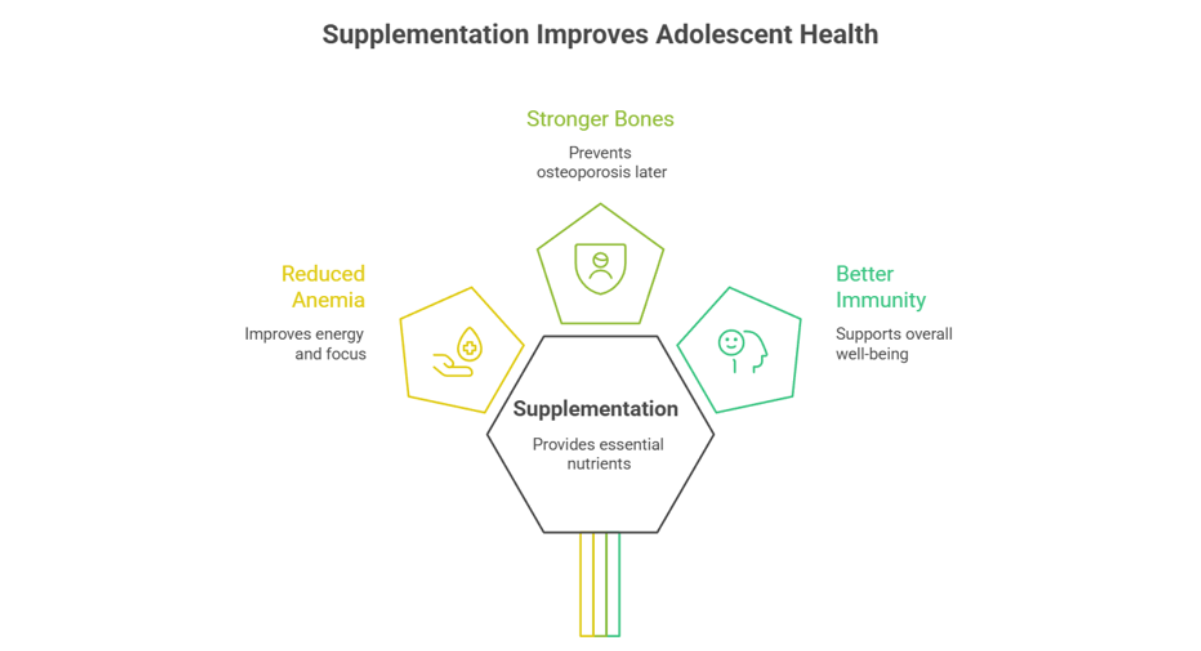
Figure 2: Supplementation and Its Benefits for Adolescent Health
Reproductive Years (20–40 years)
Key Risks
The reproductive years are characterized by changing nutritional requirements associated with menstruation, pregnancy planning, pregnancy, and lactation. Iron deficiency and anemia are important nutritional concerns among women of reproductive age, particularly where dietary iron intake is inadequate or menstrual blood loss is substantial. Anemia may contribute to fatigue and reduced physical functioning and, when present during pregnancy, is associated with adverse maternal and neonatal outcomes.
Folate is another critical nutrient during the preconception period because inadequate folate status increases the risk of neural tube defects (NTDs). Adequate vitamin B12 status is also important for normal neurological function and red blood cell formation, and vitamin B12 inadequacy may be of particular concern among individuals consuming little or no animal-source foods. However, the prevalence of specific micronutrient deficiencies varies across populations according to dietary patterns, socioeconomic conditions, reproductive status, and access to health services.
Conditions such as polycystic ovary syndrome (PCOS) and infertility are multifactorial and cannot be attributed solely to micronutrient deficiencies. Although nutritional status and dietary patterns may influence metabolic and reproductive health, evidence for supplementation as a treatment for fertility-related disorders remains variable. Therefore, nutritional supplementation should be considered as part of a broader approach that includes dietary assessment, healthy lifestyle practices, and appropriate clinical evaluation.
Recommended Supplementation
Targeted supplementation during the reproductive years may help meet increased nutritional requirements, particularly during the preconception period, pregnancy, and lactation. The need for supplementation should be determined according to dietary intake, nutritional status, reproductive stage, and individual health requirements.
Folic Acid (400 μg/day preconception)
Folic acid supplementation before conception is well established for reducing the risk of neural tube defects (NTDs) in the developing fetus and is an important component of preconception care [12].
Iron
Iron is important for maintaining adequate hemoglobin levels and preventing or treating iron deficiency anemia. Iron requirements increase during pregnancy, and supplementation may be particularly beneficial for women with inadequate iron intake or iron deficiency. The benefits and appropriate dose depend on baseline iron status and individual requirements [13].
Vitamin B12
Vitamin B12 supports normal neurological function and red blood cell formation and is particularly relevant for women consuming vegetarian or vegan diets. Adequate maternal vitamin B12 status is also important during pregnancy for normal fetal development. Supplementation should be considered when dietary intake is inadequate or deficiency is identified or likely [14].
Omega-3 Fatty Acids (DHA & EPA):
Omega-3 fatty acids, particularly DHA, have been investigated for their potential role in maternal and fetal health. Evidence suggests possible benefits for selected pregnancy outcomes, although findings vary according to the dose, timing, population, and outcome studied. Therefore, omega-3 supplementation should be considered according to individual dietary intake and clinical or nutritional requirements rather than assumed to improve fertility or hormonal balance in all women [15].
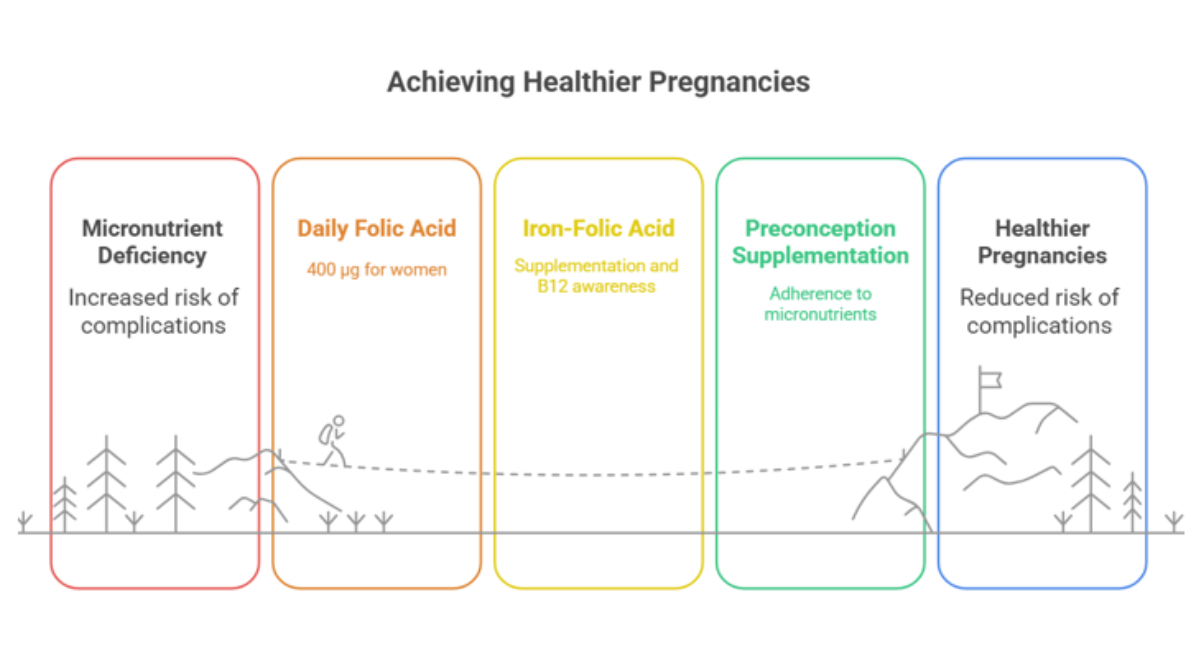
Figure 3: Achieving Healthier Pregnancies Through Micronutrient Supplementation
Evidence & Programs
Several public-health guidelines and supplementation programs support targeted nutritional interventions during the reproductive years. WHO recommends daily folic acid supplementation of 400 μg for women from the time they begin trying to conceive until 12 weeks of pregnancy to reduce the risk of neural tube defects. Evidence from systematic reviews supports a substantial reduction in neural tube defects with periconceptional folic acid supplementation.
Iron and folic acid supplementation is also an important component of antenatal nutrition programs. Evidence indicates that supplementation can reduce iron deficiency and anemia during pregnancy, although the magnitude of benefit may vary according to baseline nutritional status, adherence, dietary intake, and the prevalence of anemia in the population. WHO recommends daily iron and folic acid supplementation during pregnancy, with the specific dose determined according to current guidelines and individual circumstances.
In India, national nutrition programs, including Anemia Mukt Bharat, incorporate interventions aimed at preventing and managing anemia among women of reproductive age. However, evidence for supplementation as a means of directly improving fertility or treating conditions such as PCOS remains less consistent. Observational associations between micronutrient intake and reproductive outcomes should therefore be interpreted cautiously, as they do not establish that supplementation itself causes improved fertility or long-term cardiovascular and metabolic outcomes.
Overall, the strongest evidence during the reproductive years supports targeted folic acid supplementation for neural tube defect prevention and iron supplementation when indicated by increased requirements or inadequate iron status. Evidence for other supplements and broader reproductive or chronic disease outcomes remains variable and requires further well-designed clinical studies.
Disease Prevention Impact
Targeted supplementation during the reproductive years can help prevent or correct specific micronutrient deficiencies and support maternal and reproductive health. Folic acid supplementation during the periconceptional period has strong evidence for reducing the risk of neural tube defects, while iron and folic acid supplementation during pregnancy can reduce the risk of maternal iron deficiency and anemia.
Adequate vitamin B12 status is important for normal neurological function and blood formation, particularly among women with low dietary intake or increased nutritional requirements. However, evidence that supplementation with individual nutrients directly improves fertility or prevents long-term cardiovascular and metabolic disease in otherwise nutritionally adequate women remains variable.
Overall, the potential preventive benefits of supplementation depend on the nutrient involved, baseline nutritional status, dietary intake, reproductive stage, adherence, and the presence of specific risk factors. Supplementation should therefore complement, rather than replace, a balanced diet, healthy lifestyle, appropriate preconception care, and clinical assessment when indicated. Further research is needed to determine the long-term effects of supplementation during the reproductive years on fertility, maternal health, and chronic disease outcomes
Pregnancy & Lactation
Key Risks
Pregnancy is a transformative period marked by rapid physiological changes, increased nutrient demands, and heightened vulnerability to both acute and chronic health conditions. Maternal anemia affects a substantial proportion of pregnant women worldwide and may contribute to fatigue and adverse maternal and pregnancy outcomes [1-2].
Other common nutritional and metabolic concerns include gestational diabetes, neural tube defects (NTDs) associated with inadequate folate status, and low birth weight, which may be influenced by multiple maternal, fetal, and nutritional factors. Beyond physical health, inadequate nutritional status may also contribute to maternal fatigue and reduced wellbeing. However, maternal mental health outcomes such as postpartum depression and stress are multifactorial and cannot be attributed solely to nutritional deficiencies.
Recommended Supplementation
Evidence-based supplementation can help meet increased nutritional requirements during pregnancy and lactation and should be guided by individual nutritional status and current clinical recommendations:
Iron + Folic Acid (IFA)
Standard antenatal iron and folic acid supplementation helps prevent and treat maternal iron deficiency and anemia. Periconceptional and early-pregnancy folic acid supplementation is particularly important for reducing the risk of neural tube defects [12].
Calcium + Vitamin D
Adequate calcium intake is important for maternal bone health and fetal skeletal development. Calcium supplementation may reduce the risk of hypertensive disorders of pregnancy, particularly among women with low dietary calcium intake. The benefits of vitamin D supplementation depend on baseline vitamin D status and other individual factors [4].
Iodine
Iodine supports maternal thyroid function and fetal neurodevelopment. Inadequate iodine intake during pregnancy can adversely affect fetal and childhood development, particularly when deficiency is significant [16].
Omega-3 Fatty Acids (DHA)
DHA is important for fetal brain and retinal development. Evidence regarding omega-3 supplementation suggests potential benefits for selected pregnancy outcomes, including preterm birth, but findings vary according to dose, timing, dietary intake, and population characteristics. Therefore, supplementation should be considered according to individual nutritional requirements and clinical guidance [17].
Evidence & Programs
Several national and global programs have incorporated supplementation interventions into antenatal care:
- WHO recommends daily iron and folic acid supplementation during pregnancy, with calcium supplementation recommended in populations where dietary calcium intake is low and according to current clinical guidance.
- Multiple Micronutrient Supplementation (MMS) Evidence from studies in low- and middle-income countries suggests that multiple micronutrient supplementation may reduce the risk of some adverse birth outcomes compared with iron and folic acid supplementation alone. However, the magnitude of benefit varies across populations and depends on baseline nutritional status, adherence, formulation, and the outcomes assessed [18].
- India’s Anemia Mukt Bharat program incorporates iron-folic acid supplementation, counseling, and other interventions to address anemia among pregnant women. The effectiveness of such programs may vary according to adherence, implementation, access to antenatal care, and baseline anemia prevalence [11].
Overall, evidence is strongest for targeted iron-folic acid and folic acid supplementation for preventing or correcting specific nutritional deficiencies and reducing neural tube defect risk. Evidence for broader combinations of supplements and long-term maternal or infant outcomes remains more variable.
Disease Prevention Impact
Targeted supplementation during pregnancy and lactation can help prevent or correct specific micronutrient deficiencies and support maternal and infant health:
- Reduces the risk of maternal anemia and associated complications when iron supplementation is provided to women with increased requirements or inadequate iron status.
- Reduces the risk of neural tube defects, particularly through adequate folic acid intake during the periconceptional period and early pregnancy.
- Supports fetal growth and development, particularly when supplementation corrects specific maternal micronutrient deficiencies.
- Supports maternal and infant nutritional status during lactation, although the composition of breast milk is influenced by multiple maternal and dietary factors and supplementation does not universally improve all infant outcomes.
By integrating supplementation with dietary guidance, counseling, appropriate antenatal care, and public health programs, nutritional interventions can contribute to healthier pregnancy and infant outcomes. However, the magnitude of benefit depends on the nutrient, baseline nutritional status, timing and dose of supplementation, adherence, and the characteristics of the population. Further research is needed to clarify the long-term effects of multiple micronutrient supplementation on maternal and child health outcomes
Menopause (40–60 years)
Key Risks
Menopause is a natural biological transition that typically occurs between ages 40 and 60, characterized by declining estrogen levels, hormonal fluctuations, and physiological changes affecting multiple systems. Women in this phase face increased risk of osteoporosis, cardiovascular disease (CVD), and menopausal symptoms such as hot flashes, mood swings, sleep disturbances, and fatigue. Globally, osteoporosis affects approximately 200 million postmenopausal women, leading to fractures, reduced mobility, and decreased quality of life [4].
In addition to skeletal and cardiovascular risks, menopausal women may experience metabolic changes, changes in body composition, and alterations in inflammatory and cardiometabolic risk factors. Psychological symptoms, including anxiety, mood changes, sleep disturbances, and perceived difficulties with cognitive function, may also occur during the menopausal transition. However, the severity and frequency of these symptoms vary considerably among individuals and may be influenced by hormonal changes, lifestyle, pre-existing health conditions, and other factors.
Recommended Supplementation
Targeted supplementation during menopause can help mitigate these risks and improve quality of life:
Calcium + Vitamin D
Crucial for maintaining bone mineral density, preventing osteoporosis, and reducing fracture risk. Adequate vitamin D also supports muscle function, balance, and immune health [19].
Vitamin K2
Enhances bone mineralization by supporting calcium deposition in bones rather than arteries, reducing the risk of vascular calcification [20].
Phytoestrogens (Soy Isoflavones)
Plant-based compounds, particularly soy isoflavones such as genistein and daidzein, have been investigated for their potential role in alleviating menopausal symptoms and supporting bone health because of their weak estrogen-like activity. Some studies suggest that soy isoflavones may help reduce the frequency or severity of vasomotor symptoms such as hot flashes; however, the magnitude of benefit varies across studies Individual responses to soy isoflavones may differ due to variations in metabolism, gut microbiota, nutritional status, dietary patterns, and hormonal milieu. Therefore, the potential benefits of phytoestrogen supplementation should be interpreted cautiously, and supplementation should be individualized according to dietary intake, nutritional requirements, and health status, with appropriate monitoring where indicated [21].
Magnesium + Antioxidants
Magnesium supports vascular health, regulates blood pressure, and enhances bone strength. Antioxidants from fruits, vegetables, and supplements help counteract oxidative stress linked to aging and CVD [22].
Evidence & Programs
- Global clinical trials consistently show that calcium and vitamin D supplementation in postmenopausal women reduces fracture risk and supports skeletal health.
- Studies on soy isoflavones demonstrate their effectiveness in relieving vasomotor symptoms (hot flashes and night sweats) while improving bone density without the risks associated with hormone replacement therapy (HRT).
- Public health initiatives in several countries have integrated bone health screening, vitamin D fortification, and nutrition counseling to prevent osteoporosis and support cardiovascular health in postmenopausal women.
Disease Prevention Impact
Proper supplementation during menopause provides multiple benefits:
- Maintains bone health, reducing the incidence of fractures and associated disability
- Reduces menopausal symptoms, improving sleep, mood, and overall wellbeing
- Supports cardiovascular health, lowering blood pressure and inflammation
- Enhances quality of life, cognitive function, and functional independence
By addressing both physiological and psychological changes during menopause, targeted supplementation enables women to navigate this transition with vitality, resilience, and long-term health.
Older Age (60+ years)
Key Risks
Older adulthood is a stage marked by physiological changes, altered body composition, and increased vulnerability to chronic diseases. Key health concerns in women over 60 include sarcopenia, osteoporosis, cognitive decline, and inadequate nutritional intake. Sarcopenia can affect muscle strength, mobility, balance, and functional independence and may increase the risk of falls and fractures. Osteoporosis is also an important concern in older women and can contribute to fractures, reduced mobility, hospitalization, and loss of functional independence [4].
Cognitive decline and dementia, including Alzheimer’s disease, become more prevalent with advancing age. Nutritional inadequacies, particularly involving protein, vitamin D, calcium, and vitamin B12, may occur because of reduced food intake, changes in appetite, impaired absorption, chronic disease, or medication use. However, nutritional deficiencies are only one of several factors associated with cognitive and functional decline in older adults. Omega-3 fatty acids have also been investigated for their potential role in cardiovascular and cognitive health, although evidence regarding supplementation and cognitive outcomes remains inconsistent.
Recommended Supplementation
Targeted supplementation and adequate dietary intake may help address specific nutritional needs in older women. Supplementation should be individualized according to dietary intake, nutritional status, functional status, comorbidities, and medication use.
Protein Supplements
Adequate protein intake, combined with resistance exercise, supports the maintenance of muscle mass, strength, and physical function. Protein supplementation may provide additional benefit when dietary protein intake is inadequate, although effects on sarcopenia and physical outcomes vary according to baseline protein intake, exercise, dose, and health status [23].
Vitamin D + Calcium
Adequate vitamin D and calcium intake supports bone health and normal muscle function. Supplementation may help reduce fracture risk in older adults with inadequate intake or vitamin D deficiency, although evidence for routine supplementation in all older women is less consistent [4].
Vitamin B12
Vitamin B12 is essential for normal red blood cell formation and neurological function. Older adults may be at increased risk of inadequate vitamin B12 status because of reduced absorption and other factors. Supplementation is appropriate when deficiency, inadequate intake, or increased risk is identified [24].
Omega-3 Fatty Acids (EPA & DHA)
Omega-3 fatty acids have been investigated for their potential cardiovascular and cognitive benefits in older adults. However, evidence for supplementation to prevent cognitive decline or improve cognitive performance remains inconsistent and may depend on baseline dietary intake, health status, and the outcome studied [24].
Evidence & Programs
Evidence suggests that combining adequate protein intake with resistance exercise can help maintain muscle mass, strength, and physical function in older adults. However, the magnitude of benefit from protein supplementation varies according to baseline protein intake, nutritional status, exercise participation, age, and health status [24].
Vitamin D and calcium interventions may support bone health and reduce fracture risk, particularly among older adults with inadequate intake or deficiency. However, results are not consistent across all populations, and the benefits of routine supplementation may be limited when dietary intake and vitamin D status are already adequate [4].
Community-based nutrition programs that combine dietary support with physical activity and other health interventions may help address nutritional inadequacy and functional decline. However, differences in program design, adherence, population characteristics, and outcome measures make it difficult to generalize their effectiveness.
Omega-3 fatty acids have been investigated for cardiovascular and cognitive health in older adults, but evidence for preventing cognitive decline or improving cognitive performance remains inconsistent. Therefore, supplementation should not be presented as a proven strategy for preventing dementia or cognitive decline [24].
Overall, the evidence supports targeted nutritional interventions when inadequate intake or specific nutritional risks are present, while evidence for broad disease prevention through routine supplementation remains limited or inconsistent
Disease Prevention Impact
Targeted supplementation during older adulthood may help address specific nutritional inadequacies and support healthy aging:
Maintains muscle health
Adequate protein intake, particularly when combined with resistance exercise, can support muscle mass, strength, and physical function and may help reduce the risk of functional decline.
Supports bone health
Adequate calcium and vitamin D intake contributes to bone health and may reduce fracture risk, particularly among women with inadequate intake or increased risk of osteoporosis.
Supports neurological function
Adequate vitamin B12 status is important for normal neurological function. Correcting vitamin B12 deficiency may help prevent deficiency-related neurological complications, although evidence that supplementation prevents age-related cognitive decline in individuals without deficiency is limited.
Supports cardiovascular health
Omega-3 fatty acids contribute to overall nutritional adequacy, but evidence that supplementation prevents cardiovascular disease or cognitive decline in all older adults is variable.
Promotes healthy aging
Appropriate nutritional supplementation, when indicated, together with a balanced diet and regular physical activity, may support physical function, independence, and quality of life.
Overall, the preventive effects of supplementation depend on the specific nutrient, baseline nutritional status, dietary intake, dose, adherence, and individual health risks. Supplementation should therefore complement rather than replace a balanced diet, physical activity, and appropriate clinical care.
DISCUSSION
The available evidence indicates that nutritional supplementation can play an important role in addressing specific nutrient deficiencies and supporting health across different stages of a woman's life. However, the magnitude and clinical significance of these benefits vary according to age, physiological status, baseline nutritional status, dietary intake, dose, duration of supplementation, adherence, and individual health conditions. Therefore, supplementation should not be considered uniformly beneficial for all women, and its use should be guided by nutritional assessment and evidence-based recommendations.
During childhood and adolescence, supplementation is most clearly beneficial when micronutrient deficiencies or increased nutritional requirements are present. Iron and vitamin A supplementation have demonstrated benefits in populations at risk of deficiency, while evidence for routine supplementation in nutritionally adequate children and adolescents is less consistent. During the reproductive years, folic acid supplementation has strong evidence for reducing neural tube defects, while iron and folic acid supplementation can reduce maternal anemia during pregnancy. Evidence for supplements intended to improve fertility, hormonal balance, or long-term chronic disease prevention remains more variable.
Pregnancy and lactation involve increased nutritional requirements, making targeted supplementation particularly important when dietary intake is insufficient. Evidence supports iron and folic acid supplementation for preventing or treating specific deficiencies and reducing neural tube defect risk. However, the effects of multiple micronutrient supplementation and other supplements vary across populations and outcomes. Differences in baseline nutritional status, supplementation regimens, adherence, and study design contribute to inconsistencies between studies.
During menopause and older age, supplementation may contribute to maintaining bone health, muscle function, and nutritional adequacy, particularly among women with inadequate dietary intake or increased nutritional risk. Calcium and vitamin D have stronger evidence for supporting bone health than several other supplements discussed in this review. Evidence for soy isoflavones, omega-3 fatty acids, vitamin K2, and antioxidant supplementation is more variable, and these interventions should not be presented as established treatments for chronic disease or age-related cognitive decline.
Overall, the evidence suggests that the role of supplementation changes across the life course. Some interventions have relatively strong evidence for specific outcomes, such as folic acid for neural tube defect prevention and targeted iron supplementation for iron deficiency and anemia, whereas evidence for broader outcomes such as fertility enhancement, cardiovascular disease prevention, cognitive decline, and general healthy aging is less consistent. Differences in study populations, intervention doses, duration, baseline nutritional status, and outcome measures limit direct comparison across life stages.
An important limitation of the current evidence is that many studies focus on short- or medium-term changes in biomarkers or clinical outcomes, while fewer studies evaluate whether supplementation produces sustained benefits across decades of the life course. In addition, individual responses may vary because of differences in metabolism, dietary patterns, gut microbiota, health status, and concurrent medications. Future research should therefore prioritize well-designed long-term trials and studies that identify which populations are most likely to benefit from specific supplementation strategies.
Supplementation should ultimately complement, rather than replace, a balanced diet, physical activity, appropriate medical care, and regular nutritional assessment. Avoiding unnecessary supplementation is also important because excessive intake of certain nutrients may cause adverse effects or interact with medications. A life-course approach should therefore emphasize appropriate supplementation based on individual needs rather than routine use of multiple supplements.
Future Perspectives
Future research should focus on developing more individualized, evidence-based approaches to nutritional supplementation across the life course. Several areas require further investigation:
Personalized supplementation
Advances in nutrigenomics and nutritional biomarkers may help identify individuals who are more likely to benefit from specific nutrients. Genetic variations may influence nutrient metabolism and requirements; however, genetic findings alone should not be used to determine supplementation doses without sufficient clinical evidence. Future studies should evaluate whether biomarker- or genotype-guided supplementation improves health outcomes compared with standard approaches.
Sustainable and accessible supplementation
Research should explore affordable, culturally appropriate, and environmentally sustainable approaches to improving micronutrient intake, including food fortification, biofortification, and locally available nutrient-rich foods. Such strategies may be particularly relevant in populations with limited access to supplements or healthcare services.
Digital health and adherence monitoring
Mobile health applications and digital tools may support dietary assessment, supplementation adherence, and monitoring of nutritional status. However, their effectiveness in improving clinical outcomes requires further evaluation, including consideration of data quality, accessibility, and privacy.
Long-term outcomes
More long-term studies are needed to determine whether supplementation during earlier life stages produces meaningful benefits for chronic disease prevention, cognitive health, bone health, reproductive health, and healthy aging later in life.
Research gaps
Future studies should prioritize well-designed randomized controlled trials and high-quality systematic reviews that examine different doses, durations, combinations of nutrients, baseline nutritional status, and clinically meaningful outcomes. Greater attention should also be given to populations that are underrepresented in current research.
Overall, future supplementation strategies should move toward evidence-based and individualized approaches that consider nutritional status, life stage, dietary intake, health conditions, and the strength of available evidence. This approach may help maximize potential benefits while minimizing unnecessary supplementation and associated risks.
CONCLUSION
Nutritional supplementation can play an important role in supporting women's health across the life course, particularly when dietary intake is inadequate or specific nutritional deficiencies and increased physiological requirements are present. However, the benefits of supplementation vary according to life stage, baseline nutritional status, dietary patterns, dose, duration, adherence, and individual health conditions.
During childhood and adolescence, targeted supplementation can help prevent or correct specific micronutrient deficiencies and support normal growth and development. During the reproductive years, folic acid supplementation has strong evidence for reducing the risk of neural tube defects, while iron and folic acid supplementation can help prevent or correct maternal anemia. During pregnancy and lactation, appropriate supplementation can support maternal and infant nutritional requirements, although the magnitude of benefit varies among nutrients and populations.
During menopause, adequate calcium and vitamin D intake can support bone health, while evidence for soy isoflavones and other supplements remains variable. In older age, adequate protein, vitamin D, calcium, and vitamin B12 can help address nutritional inadequacies and support muscle, bone, and neurological function, particularly when deficiency or increased nutritional risk is present. Evidence for supplements as a means of preventing dementia, cardiovascular disease, or other chronic conditions in nutritionally adequate individuals remains inconsistent.
Overall, the strongest evidence supports targeted supplementation for specific nutritional deficiencies and well-established preventive outcomes rather than routine use of multiple supplements for general disease prevention. Supplementation should therefore complement a balanced diet, healthy lifestyle, physical activity, and appropriate clinical care. A life-course approach that considers individual nutritional status, physiological needs, dietary intake, and the quality of available evidence can help maximize potential benefits while minimizing unnecessary supplementation and associated risks.
Further high-quality, long-term research is needed to determine which supplementation strategies provide meaningful clinical benefits across different populations and life stages. Such evidence will help inform more personalized, safe, and effective approaches to nutritional supplementation in women's health.
|
Life Stage |
Key Supplements / Nutrients |
Recommended Intake or Supplementation Guidance* |
Main Health Objective |
Evidence Type / Strength |
|
Childhood (0–12 years) |
Iron, Vitamin A, Vitamin D, Calcium, Zinc |
Dose and frequency should be age- and deficiency-specific; iron supplementation is particularly relevant in populations with a high prevalence of anemia or iron deficiency |
Prevention or correction of micronutrient deficiencies; growth and development |
Strong evidence for targeted iron and vitamin A interventions in at-risk populations; evidence for routine supplementation in well-nourished children is more limited |
|
Adolescence (13–19 years) |
Iron + Folic Acid, Calcium, Vitamin D |
Iron–folic acid supplementation according to national/public-health programs and anemia risk; calcium and vitamin D according to dietary intake and nutritional status |
Prevention of iron deficiency anemia; support for bone development and peak bone mass |
Moderate-to-strong evidence for iron–folic acid in populations at risk of anemia; evidence for routine calcium/vitamin D supplementation is more variable |
|
Reproductive Years (20–40 years) |
Folic Acid, Iron, Vitamin B12, Omega-3 (DHA/EPA) |
Folic acid: 400 μg/day from preconception until 12 weeks of pregnancy; other supplements should be individualized according to nutritional status and reproductive needs |
Neural tube defect prevention; prevention/correction of iron and B12 deficiency; maternal and reproductive health |
Strong evidence for periconceptional folic acid; strong evidence for targeted iron supplementation; evidence for other supplements varies |
|
Pregnancy & Lactation |
Iron + Folic Acid, Calcium, Vitamin D, Iodine, Omega-3 (DHA) |
WHO: 30–60 mg/day elemental iron + 400 μg/day folic acid during pregnancy; other nutrients according to dietary intake, deficiency risk, and clinical guidance |
Prevention of maternal anemia and neural tube defects; support of maternal and fetal nutritional needs |
Strong evidence for iron–folic acid and folic acid; moderate/variable evidence for several other supplements and broader pregnancy outcomes |
|
Menopause (40–60 years) |
Calcium, Vitamin D, Soy Isoflavones, Vitamin K, Magnesium |
Calcium and vitamin D intake should meet age-specific requirements; soy isoflavone supplementation varies among studies and has no universally established dose for all women |
Bone health; nutritional adequacy; possible support for selected menopausal symptoms |
Moderate evidence for calcium/vitamin D in appropriate populations; mixed evidence for soy isoflavones; limited/inconsistent evidence for routine vitamin K or antioxidant supplementation |
|
Older Age (60+ years) |
Protein, Vitamin D, Calcium, Vitamin B12, Omega-3 |
Protein intake should be individualized according to body weight, dietary intake, and functional status; vitamin D, calcium and B12 supplementation should be guided by nutritional status and risk of deficiency |
Maintenance of muscle and bone health; prevention/correction of nutritional deficiencies; healthy aging |
Moderate-to-strong evidence for targeted nutritional interventions; evidence for omega-3 supplementation for cognitive prevention remains inconsistent |
Table 1: Nutritional Supplementation Across the Life Course
*Recommended intake or supplementation guidance is provided as a general reference and should be individualized according to age, dietary intake, nutritional status, health conditions, and applicable clinical guidelines. Supplementation doses should not be interpreted as universal therapeutic recommendations.
REFERENCES
- World Health Organization. WHO Global Anaemia Estimates, 2021 Edition. Geneva: World Health Organization; 2021. [Google Scholar]
- World Health Organization. Anaemia in Women and Children: Global Health Observatory Data Repository. Geneva: World Health Organization; 2021. [Google Scholar]
- World Health Organization. Guideline: Daily Iron and Folic Acid Supplementation in Women of Reproductive Age. Geneva: World Health Organization; 2016. [Google Scholar]
- Rizzoli R, Reginster JY, Arnal JF, et al. Global approaches to osteoporosis prevention: Supplementation and public health policies. Osteoporos Int. 2021;32(2):251-272. [Google Scholar]
- Gupta A, Kant S, Ramakrishnan L, Pandey RM, Khandelwal R, Kapil U, et al. Impact of daily-supervised administration of a package of iron and folic acid and vitamin B12 on hemoglobin levels among adolescent girls (12-19 years): a cluster randomized control trial. Eur J Clin Nutr. 2021;75(11):1588-1597. [Crossref] [Google Scholar] [PubMed]
- De-Regil LM, Fernández-Gaxiola AC, Dowswell T, Peña-Rosas JP. Effects and safety of periconceptional oral folate supplementation for preventing birth defects. Cochrane Database Syst Rev. 2015;2015(12):CD007950. [Crossref] [Google Scholar] [PubMed]
- UNICEF. The State of the World's Children 2021: On My Mind—Promoting, Protecting and Caring for Children's Mental Health. New York: United Nations Children's Fund; 2021. [Google Scholar]
- World Health Organization. Guideline: Vitamin A Supplementation in Infants and Children 6-59 Months of Age. Geneva: World Health Organization; 2011. [Google Scholar] [PubMed]
- Garg A, Bhargava A, Sharma S. Omega-3 fatty acids and reproductive health: Evidence from observational and intervention studies. Nutrients. 2020;12(10):3065. [Google Scholar]
- Roth DE, et al. Vitamin D supplementation during childhood: Effects on growth and skeletal outcomes. J Clin Endocrinol Metab. 2018;103(5):1865-1876. [Google Scholar]
- Government of India, Ministry of Health & Family Welfare. Weekly Iron and Folic Acid Supplementation (WIFS) Programme. New Delhi: Ministry of Health & Family Welfare; 2018. [Google Scholar]
- World Health Organization. WHO Recommendations on Antenatal Care for a Positive Pregnancy Experience. Geneva: World Health Organization; 2016. [Google Scholar] [PubMed]
- ICMR-National Institute of Nutrition. Dietary Guidelines for Indians 2024. Hyderabad: ICMR-National Institute of Nutrition; 2024. [Google Scholar]
- Sharma S, Bhargava A, Garg A. Vitamin B12 deficiency in Indian women of reproductive age: A systematic review. Nutr Health. 2021;27(4):421-432. [Google Scholar]
- Zimmermann MB. Iodine deficiency and excess in children: worldwide status in 2018. Endocr Connect. 2018;7(3):R147-R158. [Crossref] [Google Scholar] [PubMed]
- Khandelwal S, Gupta R. Omega-3 fatty acids during pregnancy and early childhood outcomes. Nutrients. 2020;12(10):3058. [Google Scholar]
- Keats EC, Haider BA, Tam E, Bhutta ZA. Multiple-micronutrient supplementation for women during pregnancy. Cochrane Database Syst Rev. 2019;3(3):CD004905. [Crossref] [Google Scholar] [PubMed]
- Institute of Medicine. Dietary Reference Intakes for Calcium and Vitamin D. Washington (DC): National Academies Press; 2011. [Crossref] [Google Scholar]
- Knapen MHJ, Drummen NEA, Smit E, Vermeer C, Theuwissen E. Three-year low-dose menaquinone-7 supplementation helps decrease bone loss in healthy postmenopausal women. Osteoporos Int. 2013;24(9):2499-2507. [Crossref] [Google Scholar] [PubMed]
- Taku K, Melby MK, Kronenberg F, Kurzer MS, Messina M. Extracted or synthesized soybean isoflavones reduce menopausal hot flash frequency and severity: systematic review and meta-analysis of randomized controlled trials. Menopause. 2012;19(7):776-790. [Crossref] [Google Scholar] [PubMed]
- Guerrero-Romero F, Jaquez-Chairez FO, Rodríguez-Morán M. Magnesium in metabolic syndrome: a review based on randomized, double-blind clinical trials. Magnes Res. 2016;29(4):146-153. [Crossref] [Google Scholar] [PubMed]
- Bauer J, Biolo G, Cederholm T, Cesari M, Cruz-Jentoft AJ, Morley JE, et al. Evidence-based recommendations for optimal dietary protein intake in older people: a position paper from the PROT-AGE Study Group. J Am Med Dir Assoc. 2013;14(8):542-559. [Crossref] [Google Scholar] [PubMed]
- Watanabe F. Vitamin B12 sources and bioavailability. Exp Biol Med (Maywood). 2007;232(10):1266-1274. [Crossref] [Google Scholar] [PubMed]
- Gao Q, Liu Y, Li Y. Omega-3 fatty acids and cognitive decline in aging: A systematic review. J Alzheimers Dis. 2016;53(3):965-975. [Google Scholar]