
Journal of Energy Transition and Net-Zero Technologies (Annual (One issue per year))
ABSTRACT
Energy storage systems (ESS) are essential for enhancing power system stability, efficiency, and sustainability. When it comes to incorporating alternative sources, they are essential, mitigating fluctuations and improving grid resilience. This review comprehensively analyzes energy preservation technologies, encompassing electric, electrolytic, arbitrary, thermal processing, and chemical storage systems. Each technology is evaluated based on capacity, lifespan, cost, efficiency, and suitability for different applications. The study also explores hybrid energy storage systems (HESS), which associate multiple technologies to enhance performance and reliability. ESS applications span various sectors, including grid and utility-scale storage, industrial operations, transportation, residential and commercial use, and military and aerospace applications. While lithium-ion batteries control the ESS landscape, advancements in solid-state batteries, hydrogen storage, and supercapacitors are shaping the future of energy storage. The review also highlights key challenges such as high costs, material limitations, and energy losses, along with potential solutions and emerging trends. With the growing demand for clean energy and smart grid solutions, innovations in energy storage technologies are expected to drive sustainability and energy security. This analysis serves as a significant resource for scientists, engineers, and politicians trying to maximize energy storage systems for a greener future.
Keywords: Energy Storage Systems; Hybrid Energy Storage Systems; Renewable Energy Integration; Smart Grids; Grid-Scale Energy Storage
INTRODUCTION
Fossil fuels are dependable and efficient; they have been the primary source of energy generation for the past few decades. Fossil fuel usage is predicted to double in 2050 and triple by 2100, resulting in ongoing price increases that have a direct impact on the economy and several negative repercussions on the ecosystem [1]. Renewable energy sources are environmentally benign, simple to develop, and applicable in a variety of settings, including commercial, domestic, manufacturing, and agricultural. Applying the RESs causes several issues, including non-dispatchable, poor load following, and intermittency. With auxiliary services, ESS can assist with power variation regulation, voltage regulation, and power quality enhancement [2]. The utilization of energy storage devices is crucial. Subsequently, the arrangement's dependability and efficiency are increased. It reduces carbon emissions, which is the second advantage. Thirdly, these systems are utilized to lessen the intermittency of RESs and provide electricity to users in isolated locations that are far from the grid. There are numerous ways to store energy, including mechanical, chemical, thermal, and electrochemical energy. Furthermore, it can be stored in magnetic and electric fields, which results in a range of storing devices, such as supercapacitors, flywheel energy storage (FES), compressed air energy storage (CAES), pumped hydro storage (PHS), flow batteries, and superconducting magnetic energy storage (SMES) [3]. High ascending ability, variable influence output, and high malleability are the benefits of super-capacitors, batteries, and flywheel energy storage. Electromechanical storage from flywheels and batteries requires more development [4]. Due to the tremendous potential for energy storage and the rapid growth of ESS, researchers are concentrating all of their efforts on comparisons, electrical vehicles, assessments, problems, and applications of ESS. For this reason, in addition to all of the previously listed considerations, this assessment has incorporated recent advancements in energy storage technologies [5]. It is evident that during the past 17 years, there has been an increasing amount of study on ESS technology [6]. Furthermore, HES technologies and some of their combinations of many ESS applications, difficulties, and emerging trends are examined critically.
MAIN CONTENT
Types of Energy Storage Systems
ESS can be broadly classified as mechanical, electrochemical, chemical, and thermal storage technologies, each of which has a distinct application [7]. By employing rotating, compressed air, and gravitational energy, respectively, these systems efficiently store and release power. Most frequently utilized in batteries like lithium-ion, lead-acid, sodium-ion, and electrochemical flow batteries, electrochemical energy storage provides scalable options for grid storage, electric vehicles, and portable electronics. Phase-change material-based latent heat storage and sensible heat storage, and thermochemical storage are examples of thermal energy storage devices that effectively capture and release heat for use in solar power plants and building energy management [8]. Enhancing power system dependability, assembly it possible to include alternative energy sources, and advancing sustainable energy solutions all depend on these many types of energy storage. Synthetic fuels and hydrogen storage are examples of chemical energy storage that enables long-term energy conversion and storage for industrial and transportation requirements.
Electric Energy Storage Systems (EESS)
Technologies known as EESS increase electricity sustainability, proficiency, and dependability by storing electrical energy for later use. These systems are crucial for controlling demand variations, enhancing grid reliability, and incorporating solar and wind energy as renewable sources [9].
Capacitors (Cs)
A conventional electric capacitor consists of two conductive metal plates (electrodes) separated by an insulating dielectric material. When a voltage is applied across the electrodes, equal and opposite charges accumulate on the two plates, creating an electric field within the dielectric. The electrical energy is stored in this electric field at the electrode-dielectric interface. Capacitors are designed to store and release electrical energy over very short time intervals, making them suitable for applications that require rapid charge and discharge. A schematic representation of a capacitor is shown in Fig. 1. The energy storage capacity of a capacitor depends on several factors, including the surface area of the electrodes, the distance between the plates, and the dielectric constant of the insulating material [10]. Capacitors offer several advantages, such as an exceptionally long service life, high power density, fast response, and nearly instantaneous charging and discharging capabilities. These characteristics make them well suited for short-duration energy storage and small-scale power applications. However, their relatively low energy density limits their suitability for large-scale energy storage systems, where the required storage capacity would make their implementation economically impractical.
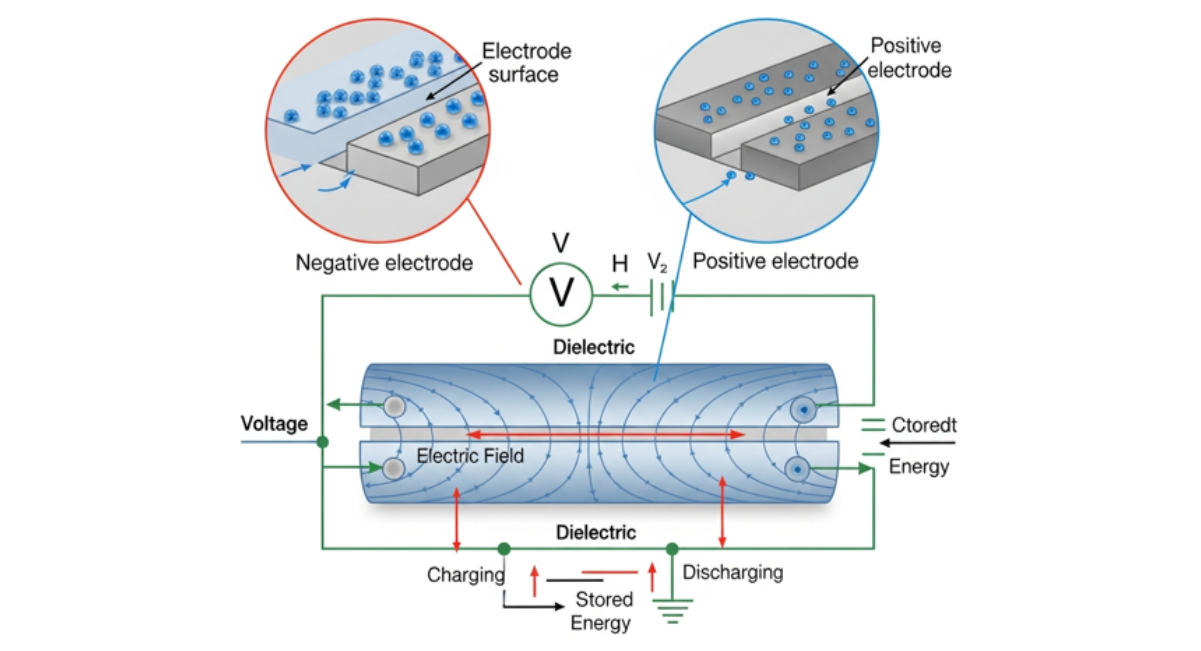
Figure 1: Capacitor circuit diagram highlighting the metal electrodes responsible for energy storage and the basic mechanism of operation.
Supercapacitors (SCs)
Supercapacitors can provide 50–100 KW of power and have a high charge density, 500,000 cycles, a 12-year lifespan, and a notable rate of self-discharge in contrast to conventional capacitors [12]. As depicted in Fig. 2, supercapacitors are electrochemical double-layer capacitors that are mainly used for electronics and general batteries. Consequently, SCs is appropriate for applications that need immediate high-output power, such as permanent magnet synchronous generators and hybrid vehicle engine cranking applications. The basics of operation are the same for SCs and Cs. SC's high energy density is made possible by the electrolytic capacitor barrier made of activated carbon, which acts as a dielectric and permits ionic conduction [13]. The other difference is in the electrode materials. SCs use carbon nanotube electrodes, which improve the energy density by providing a tiny splitting distance and absorbing a large quantity of charge. The electrolyte acts as a dielectric when the electric field is applied, and a layer of ion absorption develops on the fibers of activated carbon. This ion absorption layer is where the charging and discharging take place. Numerous articles concerning SC applications and improving its control approach have been published.
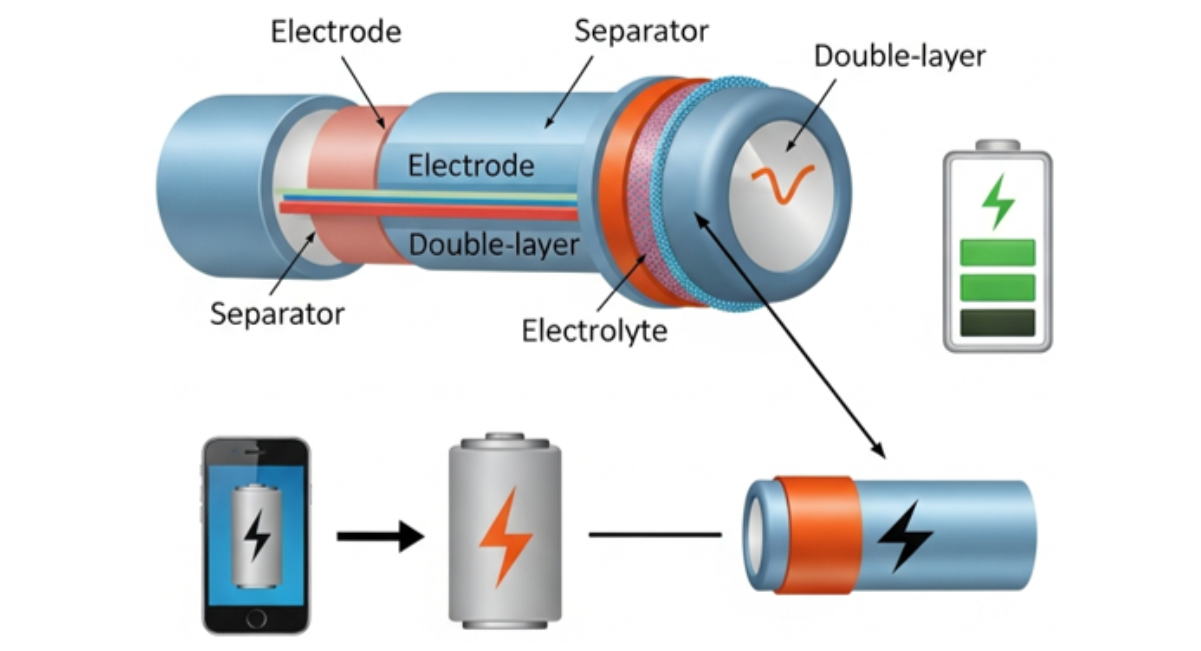
Figure 2: Supercapacitors are electrochemical double-layer capacitors used in electronics and energy storage.
Superconducting Magnetic Energy Storage (SMES)
SMES are superconducting coils that have no electrical resistance and operate at temperatures close to absolute zero. The coil does not lose energy and can store electric energy as a magnetic field produced by DC. There are some energy losses associated with the cooling system because the second component of SMES is a cryogenically air-conditioned refrigerator, which uses liquid helium or nitrogen to maintain the coil at a cryogenic temperature. A power conditioning system, which transforms the stored energy into AC power, is the third component of SMES [14]. The coil's temperature should be below its critical temperature. Fig. 3 displays an SMES’s schematic representation of quick response time, fast discharge rates, high power density, and minimal power loss. The SMES may supply the grid with a significant amount of energy during discharging in a split second. Strong magnetic fields, high cooling requirements, costly raw materials, intricate designs, and high capital costs all contribute to performance problems, temperature sensitivity, and high operating costs are the main disadvantages of SMES units. Due to their potential to run microgrids on a household and utility-scale, SMEs are currently attracting interest. SMES research focuses on producing materials for high-temperature superconducting coils (HTS) that are less sensitive to low temperatures and capital costs, as well as lowering the cost of superconducting coils [15]. Applications for SMES include autonomous generation management, frequency regulation, voltage stability, improved transmission capabilities, and improved power quality.
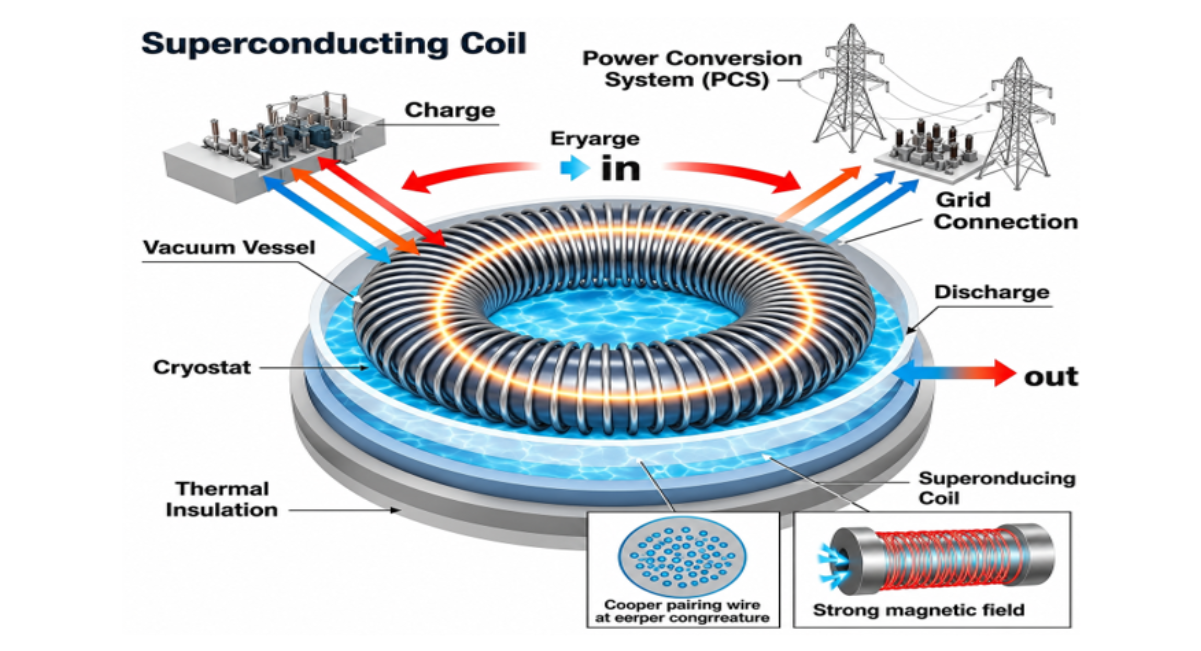
Figure 3: Magnetic energy storage technology based on superconducting systems.
Electric Vehicles (EVs)
Electric energy is used by electric cars to power their electrical gadgets and drive them. Greenhouse gas emissions will be drastically reduced as electric vehicles, sometimes referred to as zero-emissions vehicles. EVs can make use of a wide range of technologies, including SC, batteries, FC, and hybrid ESS. EVs fall into several categories: plug-in hybrid, battery-powered, and photovoltaic EVs [16]. The main obstacles to EVs are their slow charging speeds, the lack of readily available charging stations in most locations, and their exorbitant cost, roughly one-third of the EV's purchase price goes for the ESS technology [17].
Battery Electric Vehicle (BEV)
Because there is no petrol tank and the battery provides all of the electricity, BEVs are known as "pure electric vehicles". It consists of an enormous rechargeable battery. Using a charging plug, this battery can be powered by the grid or another outside source. It takes about 20 to 40 minutes to charge a BEV using a fast charger and 6 to 8 hours for slow charging. BEVs are suitable for short trips. Battery life cycle and performance are impacted by battery temperature [18]. More than 100 kWh can be stored in a BEV. It is utilized to stabilize the grid's voltage and frequency and reduce variations in renewable energy because of its significant reserve capacity. To extend the covered distances, better BEV models like HEV and PHEV are being discussed.
Hybrid Electric Vehicle (HEV)
HEV combines two or more power and energy sources. The profitability of ICEVs and EVs are combined using power sources such as batteries, fuel cell FC, SC, internal combustion engines, and energy sources such as batteries, FES, or regenerative braking. In earlier literature reviews, available hybrid powertrain combinations were described, categorized, and thoroughly examined [19]. The energy control strategy regulates the distribution of electricity among power sources using their monitoring standards, and has been extensively researched with a variety of goals, including minimizing fuel consumption, reducing emissions, and extending battery life. The benefit of HEVs is that the inferior fuel basis will act as a stoppage system if the primary fuel storage tank goes empty while operating an ICE.
Plug-in hybrid Electric Vehicle (PEV)
PEVs can be powered by gasoline or batteries. These batteries can be charged via a regenerative braking system, a regular socket, or at a charging station. Battery banks are used for short journeys, and when battery power runs low, gasoline power is used for long distances. PEVs require less maintenance because they have fewer moving parts. PEV can operate in two different ways. The first is G2V, in which the battery is charged by the grid while the car is being driven. The second is V2G, which solves the grid overload issue by supplying electricity to the grid from the battery. The traction motor charges the battery by acting as a generator when in regenerative braking mode [20]. Although PEVs can go a sufficient distance, they have certain disadvantages, such as greater startup costs and higher emissions than BEVs. BEV is receiving more acceptability than PHEV because of these factors.
Utilization of Electric Vehicles (EVs) as Energy Storage Systems (ESS)
The integration of electric vehicles (EVs) into the power grid introduces operational challenges, as maintaining grid stability and reliability requires effective management of EV charging and discharging patterns. To address these challenges, several advanced technologies and control strategies have been developed, including vehicle-to-grid (V2G) technology, intelligent charging infrastructure, and advanced grid management systems. These technologies enhance grid flexibility by optimizing EV charging and discharging schedules while enabling bidirectional power flow between EV batteries and the electrical grid [21]. Owing to their fast response times, EV batteries are well suited for providing ancillary grid services, such as frequency regulation, load balancing, and power system stability support. Moreover, the successful integration of EVs with renewable energy sources depends on the effective coordination of renewable power generation, EV charging, and grid operations. Achieving this integration requires the development of comprehensive policies, regulatory standards, and financial incentives through close collaboration among policymakers, utility providers, grid operators, and automobile manufacturers. Such coordinated efforts are essential for ensuring the reliable, efficient, and large-scale deployment of EV-based energy storage systems.
Electrochemical Energy Storage Systems (ECESS)
Chemical energy is transformed into electrical energy by ECESS. Pb, Ni, Na, Li, and flow batteries are examples of ECESS. Because of its low maintenance requirements, high efficiency of 70–80%, and ease of construction, ECESS is regarded as a significant competitor in energy storage applications. Large-scale facilities' high maintenance costs, relatively short cycling durations, and depth of discharge (DoD) determine how long they last [22].
Lead-Acid Batteries
Lead-acid batteries are among the most widely used rechargeable battery technologies. They consist of a positive electrode made of lead dioxide (PbO2), a negative electrode composed of spongy lead (Pb), and an electrolyte consisting of a diluted sulfuric acid (H2SO4) solution. Lead-acid batteries offer several advantages, including low initial cost, high energy conversion efficiency, reliable performance, and relatively low self-discharge rates, making them suitable for large-scale energy storage applications. In addition, their mature technology and well-established recycling infrastructure contribute to their widespread commercial adoption. Despite these advantages, lead–acid batteries have several limitations. They exhibit a relatively short cycle life, lower energy density than many advanced battery technologies, require regular maintenance in some designs, and often need adequate ventilation during operation due to the evolution of hydrogen gas. Furthermore, their charging and discharging characteristics are more restrictive than those of newer battery technologies, which can limit their performance in demanding applications [23].
Li-Ion battery
Li batteries are lightweight, effective, and have a high cycle efficiency assembly ideal for portable devices like laptops and cell phones. Additionally, it can be applied to enhance EV performance. The anode is made of graphitic carbon as shown in Fig. 4. A Li-Ion battery's cathode is made of a lithium metal oxide, such as LiCoO2 or LiMO2, whereas the anode is made of graphitic carbon. The goal of current Li-Ion battery research is to improve novel electrode materials and electrolyte solutions by using nanoscale materials, which will raise the battery's tailored energy and power potential [24].
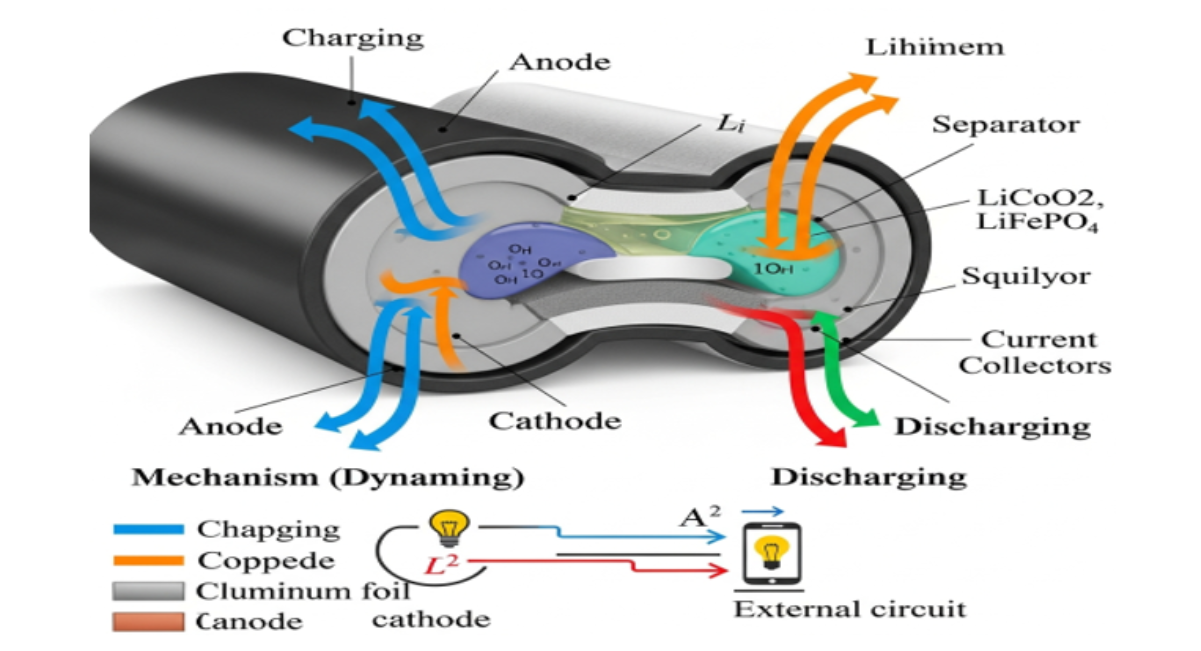
Figure 4: Schematic of a lithium-ion battery cell showing its structure and working mechanism.
Nickel-Cadmium Battery (NiCd)
NiCd batteries use metallic cadmium and nickel hydroxide as their two electrodes. NiCd batteries can operate in a broad range of low temperatures, require little maintenance, and have relatively high efficiency. However, because Ni and Cd are hazardous heavy metals, they may have an impact on the environment. Additionally, NiCd batteries can rate up to ten times as much as Li-ion batteries. The technology employed in the manufacturing of NiCd batteries determines their storage efficiency [26].
Sodium Sulfur Battery (NaS)
Beta alumina serves as the solid electrolyte in the NaS battery, which has two electrodes made of molten sodium and molten sulfur. Compared to other battery kinds, this one has a higher rated capacity. Thus, it is designed for applications requiring high-power energy storage. Among the many advantages of this storage system are its high energy density absence of self-discharge, low maintenance, material costs, non-toxic materials, and recyclable components [27]. NaS batteries are used for grid-connected tasks like improving power quality and reducing peak demand including the need for a high-temperature chemical reaction and the high operating cost to obtain liquid electrodes. Therefore, an extra system is employed, which raises the cost and is only appropriate for applications involving big power systems. Enhancing cell performance and lowering operating costs at high temperatures are the primary goals of the research.
Flow Batteries (FBs)
To boost the energy storage capacity, a flow battery uses two liquid electrolytes that are kept in two dissolvable redox couples that are housed in exterior tanks. A little membrane that separates these electrolytes allows just a certain number of ions to pass through and they can be transported to the cell stack by pumping from the tanks. Electricity is generated via the reduction-oxidation processes of the electrolyte solutions. The flow batteries, unlike the FC, have reversible chemical reactions inside. Therefore, the electroactive substance does not need to be replaced to recharge it. FBs function close to room temperature, have a small response time and are very efficient [28]. A comparative analysis of the properties of different battery technologies is presented in Table 1. Additionally, some of the features of each type of electrochemical energy storage system (ECESS), along with its advantages and disadvantages. It has been observed that batteries can be utilized in a variety of systems, whether they are isolated or connected to the grid. These systems offer the following benefits: minimizing losses, maximizing PV utilization, preventing voltage fluctuations, and curtailing total cost, maintenance, or investment costs. To reap these benefits, a variety of optimization strategies can be applied.
|
Battery Category |
Energy Density (Wh/kg) |
Life Cycle |
Charge Time |
Self-Discharge Rate (%/month) |
Cost ($/kWh) |
Applications |
|
Lead-Acid |
30–50 |
300-500 |
8-16 hours |
5-10 |
50-100 |
UPS, Automotive, Grid Storage |
|
Nickel-Cadmium (Ni-Cd) |
40–60 |
1000-2000 |
1-2 hours |
10–20 |
100-150 |
Power Tools, Aviation |
|
Nickel-Metal Hydride (Ni-MH) |
60–120 |
500–1000 |
2-4 hours |
20–30 |
200-300 |
Consumer Electronics |
|
Lithium-ion (Li-ion) |
150-250 |
1000–3000 |
1-4 hours |
2–5 |
120-200 |
Smartphones, EVs, Laptops |
|
Lithium Iron Phosphate (LiFePO₄) |
90–160 |
2000–7000 |
1–2 hours |
<1 |
300-600 |
EVs, Solar Storage |
|
Solid-State |
300–500 |
10,000+ |
0.5–2 hours |
<1 |
400-800 |
Future EVs, High-Safety Applications |
Table 1: Comparative Analysis of Different Battery Technologies
Mechanical Energy Storage System (MESS)
MESs is among the initial renewable power sources with a variety of applications. It is easily preserved for extended periods. It is readily transformed into and out of other types of energy. MESs have been developed in three different forms: flywheel ESSs that store kinetic energy, compressed air ESSs that store potential energy, and pumped hydro storage. This figure 5 illustrates different types of mechanical energy storage systems (MESS), including flywheel, pumped hydro, and compressed air energy storage. These systems store energy in mechanical form and convert it back to electrical energy during discharge. MESS technologies are widely used for large-scale and long-duration energy storage applications.
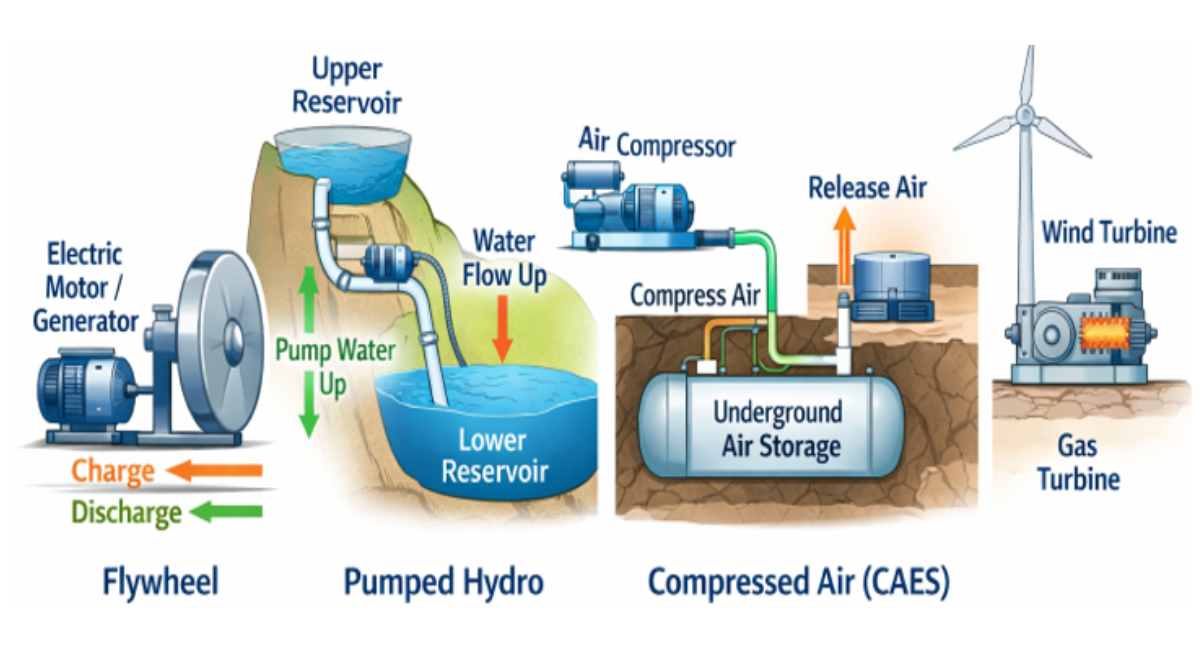
Figure 5: Overview of a mechanical energy storage system and its operating mechanism.
Flywheel Energy Storage (FES)
An electric motor connected to the flywheel and a huge rotating cylinder is supported by a stator. In FES, rotational or kinetic energy is converted into electrical energy through the discharge phase, utilizing an electric generator, during the charging mode. Due to their low rotor losses, high power densities, and high efficiencies, magnet machines are recurrently employed for FESs. The square of its speed determines the FES's capacity. The duration of energy storage usage determines its efficiency [29]. FES is used in conjunction with other devices because it is not appropriate for energy storage. By providing actual power to the system when required, FES can be used for load leveling and lowering RES intermittencies. FES can be utilized to improve classification permanency for RES systems due to its quick response. The FES is divided into two groups based on rotational speed: low-speed FES and high-speed FES. The low-speed FES is inexpensive and appropriate for applications requiring power reliability. Although it costs five times as much as low-speed FES, high-speed FES is useful for traction and aerospace applications [30]. Many benefits of FES include high energy and strength density, longevity and low preservation, high capacity and discharge rate, fast refilling time, and clean vitality.
Pump Hydro Energy Storage (PHES)
PHES is made up of two manufacturing or natural structures that are positioned or created at different elevations. Water is moved from the inferior reservoir to the higher one is a low electricity demand, and vice versa when there is a strong demand. The stored water is subsequently used to generate electricity to power short-term spikes or unexpected outages. Regulation during charging and gates are used to adjust the incoming water flow to generate a varied output power. In addition to height disparity, PHES requires the presence of a location. Long lifespan, quick reaction time, low cost, high efficiency, massive energy storage capacity, and extremely low self-discharge rate are only a few of the many benefits of PHES [31]. On the other hand, it has certain drawbacks, including the requirement for a large water supply, significant environmental impact, and limited potential locations.
Compressed Air Energy Storage (CAES)
The primary CAES components are the turbine, compressor, and subterranean storage unit. In an underground chamber, the flattened air is kept at high pressure, at which point it expands. Compressed air is supplied to a combustion chamber during peak hours, where it combines with fuel to produce energy. The largest ESSs now on the market are CAES and PHES. Although CAES is smaller than PHES, there are more construction sites there. Thus, it provides a wide-ranging, extensive storage network. It is more practical for load leveling and frequency management. By storing and using the heat emitted during the compression stage during the expansion process, the CAES efficiency can be increased by 10% to 15%. The life cycle of CAES lasts roughly 40 years [32]. Among its numerous advantages are its large energy storage capacity, high 70% efficiency, quick reaction time, and affordability. Additionally, PHES can increase system reliability by mitigating photovoltaic power variations. To attain these benefits, many optimization techniques have been used.
Thermal Energy Storage Systems (TESS)
A control system, an energy transfer medium, and a heat storage tank make up these systems. A particular technology is used to store heat in an insulated tank. By using these technologies, the issue of intermittency in renewable energy systems is resolved and energy consumption is decreased. TESS has several benefits, including a clean energy source for power generation, a lower energy demand for buildings' heating or cooling, a low initial cost, lower emissions, increased continuity, and lower maintenance costs [33]. However, various issues should be taken into account, including growing complexity, the low overall efficiency of TESS (30–50%), heat losses, and the potential prescribed space. In addition to producing water, TESS is primarily used in residential and commercial buildings to generate electricity. It is also frequently utilized in photovoltaic systems, which ensure that a significant amount of solar energy is collected.
Sensible Heat Storage Systems (SHSS)
The specific heat capacity, the charging/discharging temperature change, and the bulk of the material all affect how much energy is stored. The simplest and least expensive TESS is SHSS. There are two types of materials used in this system: liquid and solid. Due to its availability, affordability, and high specific heat capacity, water is the most often used substance. For applications requiring high temperatures, molten salt and thermal oil are used. Despite being more expensive and having a lower energy density than liquid materials, solid materials such as rocks, sands, and concrete are utilized in high-temperature applications. The storage efficiency of SHSS ranges from 50% to 90% [33].
Latent Heat Storage System (LHSS)
The transformation of matter from a solid to a liquid state is the most well-known transition state. It can also transition from a solid to a liquid or from a liquid to a gas and back again. Phase change materials are the materials that were employed. The temperature of the medium remains constant while the heat is either stored or released during the material's phase transition. Heat is absorbed by the material during charging, raising its temperature to its melting point. At this time, the material's temperature stops rising and it absorbs heat to change its phase. PCM is classified as either inorganic or organic. The following substances are considered inorganic PCM: hydroxides, metal, alloys, and salt eutectics [34]. The capacity of an LHSS is four times greater than that of a SHSS, and its storage efficiency ranges from 75% to 90%. Compared to SHSS, LHSS exhibits more stable thermal behavior during charging and discharging. Due to its reduced flammability than paraffin and reliance on renewable raw materials, bio-based PCM is currently gaining greater attention. Presenting novel storage mediums and improving the thermodynamic qualities of current ones are the primary goals of LHSS research.
Thermochemical Energy Storage Systems (TCESS)
This kind uses a physicochemical process rather than direct heat storage. When charging, heat is used, and when discharging, it is liberated. One example of a physicochemical process is the absorption and adsorption of energy [35]. A thermochemical substance C absorbs energy while charging and separates into two components, A and B. We refer to this reaction as endothermic.
Chemical Energy Storage Systems (CESSs)
The chemical bonds that bind atoms and molecules together store chemical energy. When chemical reactions occur, this energy is released, causing the old chemical bonds to break and novel. Consequently, the composition of the substance is altered [36]. Below is a discussion of a few CESS types.
Fuel Cells
An external supply of fuel is fed into fuel cells, which transform electrical output. This fuel may be derived directly from hydrogen or indirectly via the conversion of hydrocarbon gases, ethanol, ammonia, or natural gas into hydrogen. Hydrogen is involuntary onto the anode, which is a hollow vessel creased with porous carbon. Oxygen is forced onto the cathode, which is composed similarly to the anode, porous carbon permits interaction between the anode and cathode with the electrolyte resolution. Large amounts of hydrogen gas enter through the intake, and at the barrier, oxidation takes place, causing each atom to lose an electron and change into a positive ion. Electrons are discharged to the cathode external circuit as oxygen from the air is provided and reduction takes place, but the electrolyte membrane fails to enable the flow of H + from the anode to the cathode. From the opposite side, the unreacted oxygen is expelled. In spacecraft, the resultant water vapor is gathered, condensed, and used as drinking water [37]. PEMFC's low operating temperature, fast startup, and immediate load with low voltage and high current make it perfect for transport applications. The majority of fuel cells on the market today are still in their infancy and are only utilized in a few specific fields, such as aerospace and large-scale grid backup generation.
Hydrogen Storage
This method includes a reservoir to store the hydrogen produced and a conversion mechanism, like FC, to transform chemical energy into electrical form, and an electrolyzer to turn electrical energy into hydrogen. The generated hydrogen is compressed, liquefied, or stored. The main advantage of hydrogen is that no toxic gases are released. Water electrolysis is used to separate water into its basic components using excess power from renewable energy sources. The water is then kept in tanks where hydrogen can be utilized in one of three ways [38]. Directly as a fuel: combustion or an FC can convert hydrogen into energy. This gas can then be pumped into natural gas pipes. In some natural gas pipeline networks, hydrogen can be injected into providing facilities or final utilization devices. Although the cost of hydrogen technology is quite low when compared to other energy storage technologies, its efficiency is not very high.
Ammonia Storage
Ammonia is a perfect chemical conserve for renewable energy since it is easy to store in large amounts in liquid form. The concept is based on the notion that there is extra energy available at darkness that can be used to produce ammonia and then saved for later use. Large-scale hydrogen storage is costly and challenging, but ammonia is less expensive and easier to carry and store, and it can be readily broken to produce hydrogen gas for use in fuel cells as needed [39].
Lead Acid Storage System
Pb serves as the anode, PbO 2 as the cathode, and sulfuric acid as the electrolyte in LA batteries. Ions in an external circuit flow from the anode to the cathode as a consequence of a chemical reaction that occurs when a battery is discharged. Because of the voltage that is applied across the electrodes during battery charging, ions flow in the reverse direction from the discharging. It is typically used in MGs to control the frequency of the grid, enhance network dependability, reduce load stochasticity, and manage congestion. The low charge and discharge curve rates and equalization mechanism of the LA batteries relied too much on an external energy source [40]. Compared to newer battery technologies, LA batteries are less appealing due to their drawbacks, which include a limited lifespan, expensive repairs, low energy density that restricts their use in applications requiring high power output, sustainability issues from toxicity, restricted incriminating performance, and temperature sensitivity that requires the occurrence of external the temperature systems to preserve the battery's efficiency.
Lithium-Ion Battery Batteries
Lithium-ion (Li-ion) batteries employ lithium metal oxides as the cathode material and graphite (carbon) as the anode. The electrolyte typically consists of an organic solvent containing a dissolved lithium salt, which facilitates the transport of lithium ions between the electrodes during charging and discharging. The typical service life of a Li-ion battery is less than 15 years, depending on operating conditions, charge–discharge cycles, temperature, and depth of discharge. Li-ion batteries are widely recommended for grid-scale energy storage applications, including load following, frequency regulation, reliability enhancement, and congestion relief, owing to their high energy density, fast response time, and excellent cycling performance. Wang et al. [41] proposed a novel methodology for determining the optimal sizing of an integrated Li-ion battery energy storage system. Their approach incorporated a battery degradation model into the sizing optimization framework, considering different charge discharge cycles and depths of discharge. Simulation results demonstrated the effectiveness of the proposed method in accurately determining the optimal battery capacity. Furthermore, the study concluded that the Flywheel Energy Storage System (FWESS) has a comparatively higher potential to achieve lower levelized costs of storage and electricity than conventional Li-ion battery systems under the investigated operating conditions.
Biofuels
Biofuels are sustainable, dependable, locally accessible, and environmentally benign fuels derived from renewable resources. Because they use a process called photosynthesis to convert rays into chemical energy used in various ways to meet their energy needs, plants are the basis of biofuels. Three percent of the fuel used for transportation worldwide comes from biofuels. Biofuels are liquid or gaseous fuels made from biomass by biological or chemical processes. Gaseous fuels like hydrogen and methane, as well as liquid fuels like ethanol, methanol, and biodiesel. Fuel cells, engines, and vehicles can all use liquid biofuels to produce power. The top producers are the United States, Brazil, Germany, Argentina, and China. The world's top producers of biofuels, which collectively accounted for 80.2% of global biofuel output in 2025 [42].
Aluminum Energy Storage
Aluminum is both cheap and plentiful. Corundum and excess electrical power from sources of renewable electricity are used to make the inaugural aluminum. Solid metal is safe to use when needed and is easily stored and transported. The aluminum first undergoes oxidation upon discharge, generating heat, hydrogen, and aluminum oxide. Energy can be produced from these byproducts [43].
Comparative Techno-Economic Assessment of Energy Storage Technologies
Energy storage technologies differ considerably in terms of technical performance, economic feasibility, operational lifetime, scalability, and environmental sustainability. Therefore, selecting an appropriate energy storage technology depends not only on energy and power requirements but also on lifecycle cost, system reliability, safety, and intended application. Although lithium-ion batteries currently dominate the commercial energy storage market because of their high energy density, excellent round-trip efficiency (90-95%), and rapid response characteristics, their widespread deployment is constrained by high material costs, dependence on critical minerals such as lithium and cobalt, thermal safety concerns, and end-of-life recycling challenges. In contrast, sodium-ion batteries are emerging as a promising low-cost alternative because of the abundant availability of sodium resources, although their lower energy density currently limits applications requiring compact energy storage. The comparison presented in Table 1 demonstrates that technology selection should be application-driven rather than based on a single performance parameter.
Mechanical energy storage technologies, including pumped hydro energy storage (PHES), flywheel energy storage (FES), and compressed air energy storage (CAES), remain attractive for utility-scale applications because of their long operational lifetimes and relatively low operating costs. PHES is the most mature large-scale storage technology, providing high reliability and storage durations exceeding several hours; however, its deployment is restricted by geographical requirements and substantial initial capital investment. CAES offers comparable long-duration storage capability but generally exhibits lower round-trip efficiency due to compression and thermal losses. Flywheel systems provide exceptionally fast response times and long cycle life, making them suitable for frequency regulation and power quality applications, although their relatively low energy density limits long-duration storage.
Electrochemical and chemical energy storage technologies offer greater flexibility for distributed energy systems and renewable energy integration. Flow batteries provide excellent scalability, long cycle life, and enhanced operational safety because energy and power ratings can be independently designed; however, their relatively low energy density and higher system complexity restrict widespread deployment. Hydrogen energy storage represents one of the most promising solutions for seasonal and long-duration energy storage due to its virtually unlimited storage duration and compatibility with renewable energy systems. Nevertheless, the relatively low round-trip efficiency, high infrastructure cost, and challenges associated with hydrogen production, storage, and transportation remain significant barriers to commercialization. Similarly, thermal energy storage technologies offer economically attractive solutions for concentrated solar power plants, industrial waste heat recovery, and district heating, although their application is generally limited to thermal energy management.
|
Technology |
Energy Density |
Round-Trip Efficiency (%) |
Lifetime |
Capital Cost |
Response Time |
Technology Maturity |
Suitable Applications |
Major Limitations |
Technology |
Energy Density |
|
Capacitor |
Very Low |
95-99 |
>1 million cycles |
Medium |
Milliseconds |
Commercial |
Power conditioning, filtering |
Extremely low energy density |
Capacitor |
Very Low |
|
Supercapacitor |
Low |
95-98 |
>500,000 cycles |
High |
Milliseconds |
Commercial |
Frequency regulation, regenerative braking |
High self-discharge, low energy density |
Supercapacitor |
Low |
|
SMES |
Low |
90-98 |
>20 years |
Very High |
Milliseconds |
Demonstration |
Grid stability, power quality |
Cryogenic cooling and high cost |
SMES |
Low |
|
Lithium-ion Battery |
High |
90-95 |
10-15 years |
High |
Seconds |
Highly Mature |
EVs, portable electronics, grid storage |
Thermal runaway, critical materials |
Lithium-ion Battery |
High |
|
Lead-acid Battery |
Low |
70-85 |
5-10 years |
Low |
Seconds |
Mature |
UPS, backup power |
Short cycle life, environmental concerns |
Lead-acid Battery |
Low |
|
Sodium-ion Battery |
Medium |
85-90 |
10-15 years |
Medium |
Seconds |
Emerging |
Stationary storage |
Lower energy density |
Sodium-ion Battery |
Medium |
|
Flow Battery |
Medium |
70-85 |
>20 years |
High |
Seconds |
Commercial |
Renewable integration, microgrids |
High installation cost |
Flow Battery |
Medium |
|
Pumped Hydro Storage |
Very High |
70-85 |
>50 years |
Very High (initial) |
Minutes |
Fully Mature |
Grid-scale, long-duration storage |
Geographic constraints |
Pumped Hydro Storage |
Very High |
|
Compressed Air (CAES) |
High |
45-70 |
30-40 years |
High |
Minutes |
Commercial |
Utility-scale storage |
Underground storage requirement |
Compressed Air (CAES) |
High |
|
Thermal Energy Storage |
Medium |
50-90 |
>20 years |
Low–Medium |
Minutes |
Mature |
CSP plants, industrial heat recovery |
Limited electrical applications |
Thermal Energy Storage |
Medium |
|
Hydrogen Storage |
Very High |
30-45 |
>20 years |
High |
Minutes |
Emerging |
Seasonal storage, hydrogen economy |
Low efficiency, infrastructure cost |
Hydrogen Storage |
Very High |
|
Hybrid Energy Storage System (HESS) |
High |
85-95* |
Application dependent |
High |
Milliseconds–Seconds |
Emerging Commercial |
Smart grids, EVs, renewable integration |
Complex control and higher initial investment |
Hybrid Energy Storage System (HESS) |
High |
Table 2: Comparative Techno-Economic Assessment of Major Energy Storage Technologies
Hybrid Energy Storage System (HESS)
RESs provide energy intermittently, and if an individual ESS finds it difficult to fulfill a specific consumer's energy needs, it is imperative. There are two modes of operation for ESSs: high-power mode and high-energy mode. It can improve the power system's reaction to fluctuations and maintain voltage stability. Their high self-destruction rate along with elevated cost per unit capacity, still makes them unsuitable for large capacity and extended storage. It can preserve voltage stability and enhance the power system's response to variations. They are still not appropriate for large capacity and prolonged storage due to their high rate of annihilation and high cost per unit capacity [44]. Huge wind and solar farms, as well as grid-connected HESS for use in cities or provinces, battery/hydrogen combination renewable energy supply systems, and hybrid and fuel-cell electric cars are just a few of the uses for HESSs. HESS is currently one of the most actively researched topics worldwide. These are a few common HESS pairings.
Supercapacitors and Batteries
The use of supercapacitors and batteries in tandem to maximize the performance of electric vehicles (EVs) has been the subject of numerous publications. A Multifunctional Source Inverter was suggested by the contributors of Ref. [45] for proactive oversight of ESS in EV applications. They also provided a deterministic State of Charge regulator and a Space Vector Modulation approach to control the substituting arrangements and the SC bank's functioning. To adapt the HESS with SC and batteries in the DC dispersal network to reduce DC voltage glimmer and improve system stability. A unidirectional two-quadrant frontal DC-DC converter was used to control the vitality between the SC bank and the lithium-ion battery bank. This model has a well-organized output voltage and good dynamic performance. Fuzzy logic control for electric vehicles (EVs) with SC and Li-ion batteries.
SMES and Batteries
An investigation into stabilizing a microgrid powered by photovoltaics by utilizing SMES and battery storage systems. MATLAB is used to compare the arrangement with the SMES battery to the system with the battery. According to the study, SMES batteries are more effective at handling microgrid transient faults and canister lower fault currents to prevent needless off-grid situations. The design of combining the battery with high-temperature superconducting to create HESS is suggested in Ref. [46]. The study demonstrated how this arrangement might lessen voltage fluctuations brought on by overcast conditions and enhance the voltage profile by utilizing low-resistance high-temperature superconducting cables. The development and implementation of a hybrid ESS in an EV using SMES and batteries. It optimized the power demand using a new nonlinear resilient fractional-order control of SMES-battery. Comparison of control approaches for hydrogen storage capacity.
Flywheel and Batteries
HESS combines a flywheel and battery to reduce load fluctuations in electric ships. To illustrate the validity of this approach, a standard prediction algorithm was created. To provide loads and financial statements to assess the house's economic viability, the authors in Ref. [47] suggested putting a flywheel HESS in a home on an island in Greece. A microgrid that included a flywheel, HESS and a photovoltaic plant. For bus configurations that are both AC and DC, a MATLAB Simulink model is created. The results demonstrate that the AC bus MG interfaces through the grid more effectively than the DC bus.
Compressed Air and Supercapacitor
Supercapacitors SCs with the CAES system make up HESS, which enhances the grid's reliability of power. To effectively monitor the 24-hour consumption of the electricity curve, a plan of intervention is created for the system. In Ref. [48], the authors suggested a CAES-SCs HESS to increase voltage stability. SCs are also capable of being employed as filtering components to even out electrical outputs.
Thermal Energy Storage and Batteries
To address the issue of overheating with a Li-ion battery alone and extend the battery life cycle, a HESS consists of a thermal ESS and a Li-ion battery. For heat handling, battery supervision issues, and battery consistency enhancement, investigate HESS, which consists of TESS and batteries.
Applications of Energy Storage Systems
ESS is crucial for enhancing sustainability, reliability, and energy efficiency across various industries. Better control of power generation and consumption is made possible by these systems, which store energy. Power grids, the integration of renewable energy, industry, transportation, residential and commercial buildings, and developing technology are all areas where ESS is being used. ESSs can improve the responsiveness of several applications. In certain situations, they are the primary determinant of a technology's adoption, such as electric vehicles, they are especially appropriate for utility-scale and applications for transportation [49]. Time and power ranges for utility-scale applications range from MW to GW. Power production, life cycle, and energy storage capacity are important performance factors for efficacy or renewable energy integration. Reversible storage systems, such as CAES or pumped hydro, are being used in place of electrochemical batteries, which have ageing problems and are difficult to recycle, due to the requirement for a long-life cycle. Energy and power density, mobility, and scalability are important performance factors in transportation applications. Therefore, batteries are still regarded as the most practical choice for transport applications because of their portability and adaptability, even with their many drawbacks, such as their short lifespan. More information about transportation and utility applications is covered in the paragraphs that follow.
Grid and Utility Applications
A highly advanced technology, energy storage devices have transformed the electrical grid in several ways. By postponing power grid upgrades, lowering transmission confrontation, easing peak tuning pressure, and offering assisting facilities, these systems have greatly increased power supply reliability and quality, benefiting customers in many ways. However, it has proven challenging to maximize the performance of energy systems due to their complexity. Target functions have varied as a result of diverse research investigations that have concentrated on different facets of ESS. The primary goal of current research has been to optimize energy storage allocation and maximize return on investment. In [50], a genetic algorithm incorporating linear forecasting was used to generate an optimal optimization model of earnings. While accounting for the high income and high arbitrage of the electrical system, the advantages of delaying the grid upgrading, and reducing the cost of blocking. The problem was solved using the evolutionary algorithm, and the ESS ideal capacity and economy were observed. Using the particle swarm optimization technique and taking into account the profits of energy storage and distributed generating operators as the goal function, increased the economic efficiency of planning. To boost the overall peak-shaving benefits and stimulate curiosity about peak-shaving transactions in a multi-source system, preemptive peak-shaving limits were introduced into the ESS thermal power unit peak-shaving model in [51].
Power networks are equipped with energy storage technologies, and the advantages they provide are numerous as shown in Figure 6. These advantages are significant even if they often do not all pertain to the investment subject. However, when the energy storage system's unit cost is excessively high, it is sometimes assumed that it is not cost-effective because other hidden economic values are overlooked, which hinders the technology's commercialization.
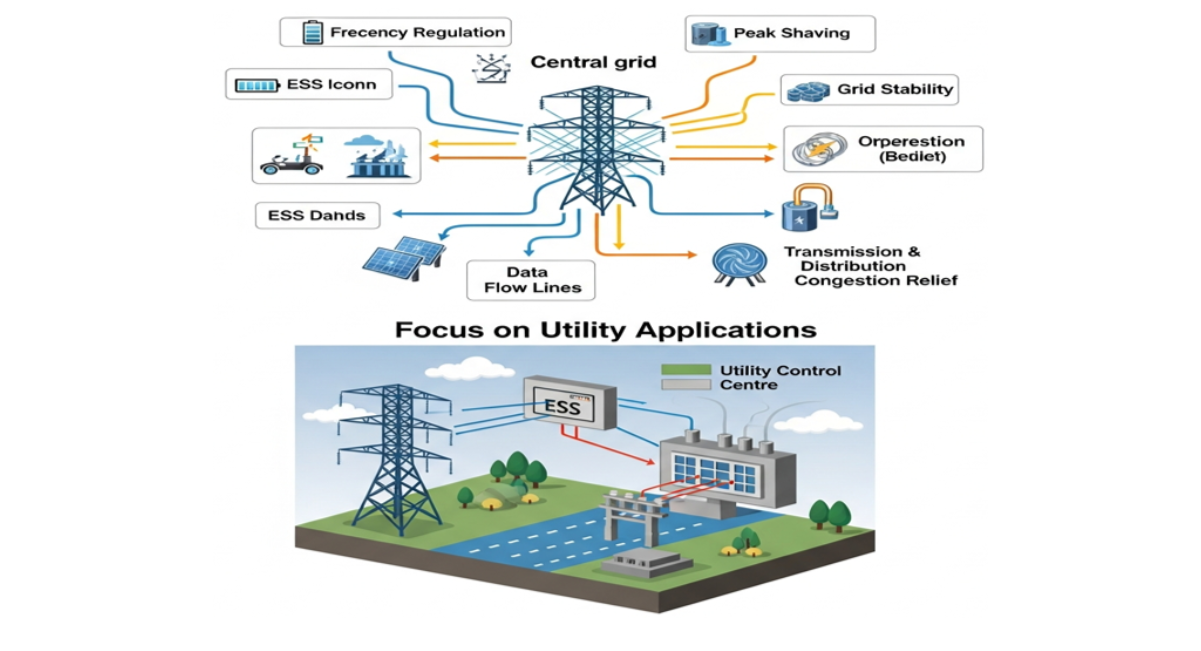
Figure 6: Energy storage applications in grid and utility systems
Industrial Applications
Since ESS promotes the use of RES, they are unquestionably highly green because they lower greenhouse gas emissions and preserve the finite supply of fossil fuels. Environmental contamination is a major worry for the scientific community as well as for all concerned citizens worldwide. This growth rate exceeded the average growth rate since 2010 by about 70% and was the highest since 2025. Approximately one-third of the emissions have come from the electrical sector exclusively. Over 10 Gt of CO2 emissions were produced in Asia as a result of the widespread usage of coal in the electricity sector. Eighty-five percent of the global rise in emissions may be attributed to the top three countries with the biggest energy demands: China, India, and the United States [52].
In addition to being an economical option to fully utilize renewable energy sources, ES has numerous environmental advantages. ESSs can promote more RES to the power grid since they combat the erratic weather and intermittent nature of renewable energy sources. Additionally, ESSs can ensure that the generating system operates at maximum efficiency by reducing its utilization of less productive generating units, which usually only operate during times of excessive demand. Additionally, by increasing a power system's capacity, ESSs remove the need for extra transmission and distribution systems or producing units. Depending on the kind, materials, and effectiveness of the ESSs, there may be certain potential drawbacks. For example, certain batteries, such as those made of lead and lithium, are frequently bad for the environment and, if not disposed of appropriately, can even be dangerous for your health. For ESSs to continue to be a dependable and safe choice for long-term use, these hazardous materials must be recycled efficiently. In addition, energy conversion during the storage process may result in energy loss. Additionally, some energy may be lost during the actual storage procedure. The ESS should have as small of a carbon impact as feasible. Because ESSs can increase power grids' overall efficiency, they can support the power system's transition to using more renewable energy sources. ESS are devoid of any emissions that could endanger the environment or deteriorate the atmosphere. Together, solar photovoltaics and ESS are paving the way for a clean, profitable, and GHG-free power generation system [53].
Transportation Applications
Road Transport
There has been a strong drive to diversify the energy supply for road vehicles due to economic, geopolitical, and environmental issues. Electric propulsion either supplements or replaces internal combustion engines (ICE) in all of these options. In the circumstance of FCV, the electric motor is powered by hydrogen that is consumed by integrated fuel cells. The projected "hydrogen economy" is thought to include the FCV concept as a crucial component [54].
Fuel cells, which turn hydrogen and oxygen into electricity and steam, are used in FCV. Since electrolysis, which can be fueled by renewable energy sources, can produce hydrogen, these vehicles are seen as environmentally beneficial. Nevertheless, no FCV is commercially available despite significant investments from the public and business sectors to commercialize the technology. Long-standing technological issues include the poor energy density of hydrogen relative to petroleum, the absence of refueling facilities the price and longevity of fuel cells, and the detrimental effects of automotive power levels on fuel cell longevity [55]. Peak currents of more than 10 times the amp-hour rating are observed when the batteries are utilized within a limited state of charge. Numerous scholars have concentrated on refining the EDLC control approach and have suggested innovative power electronics topologies for various uses, including source switching and multilevel converters. For complete HEV applications, high-power Li-ion batteries are also appropriate. A PHEV is a full-fledged HEV with rechargeable batteries. These cars have a far greater all-electric range than HEVs, which results in higher total fuel efficiency. As a result, PHEVs are BEVs with an internal combustion engine. Lithium-ion batteries are thought to be the best composition for this purpose due to their high-power capacity and relatively high energy density [56].
Rail Transport
Because trains frequently accelerate and decelerate as they move from terminal to facility, their power consumption varies widely. Therefore, ESS can help even out the train power demand in electrically powered railway systems including high-speed magnetic levitation trains, trams, and subways. Additionally, energy storage devices can be used as demand flattening or peak shaving units at the substation. When the vehicle slows down, there will be a large power influx upstream to the substations, and when the vehicle accelerates, there will be a proportionally large capacity depletion from the substation, assuming the train has neither energy storage nor brake resistors. Accelerations and decelerations to counterbalance one another were attempted to reduce power spikes and smooth out the power curve [57], however controlling train movement is challenging, particularly in urban systems. As a result, the substation's required power supply is extremely erratic. By implementing an energy storage system, the substation's peak demands on power are decreased and efficiency is increased by preserving the energy that might have vanished due to its resistance banks. At the substation level, some systems have been suggested as energy sources. These are usually high-cycle, high-power-density sources like SMES and EDLC. Researchers suggest using flow batteries and SMES to smooth the high-speed rail system's power demand curve. The flow battery provides the majority of the energy to fully balance out the energy demand, while the SMES delivers the pulse power. To reduce the substation's power surge and resistor bank usage, another popular method makes use of EDLC.
Residential and Commercial Applications
By improving energy efficiency, dependability, and cost-effectiveness, ESS are transforming energy management in the residential and commercial sectors. These devices reduce dependency on conventional grids by preserving excessive power from alternative sources, such solar panels, and unleashing it when demand is high or there are power outages. By storing solar energy throughout the day for use at night, ESS helps homeowners optimize their energy use in residential settings. This lowers electricity costs and lessens dependency on power produced by fossil fuels. Home battery storage devices also ensure energy security by supplying backup power during outages. By automating charging and discharging in response to electricity demand and pricing, smart energy management systems that are integrated with ESS enable homes to optimize efficiency. By lowering high electricity rates during peak hours, ESS helps commercial and industrial applications control peak demand and lower operating expenses. Companies can take part in demand response initiatives to gain cash rewards while assisting in grid stabilization [55]. Additionally, ESS improves power quality, guaranteeing continuous operations for vital infrastructure such as manufacturing plants, data centers, and hospitals. The extensive deployment of ESS in both industries is being propelled by advancements in battery technologies, cost reductions, and supportive legislation. ESS will be essential to attaining a secure and resilient energy future as energy sustainability gains traction.
Military and Aerospace Applications
In military and aerospace applications, where dependability, high energy density, and endurance in harsh conditions are critical, energy storage devices are indispensable. To improve stealth operations and lessen their reliance on fuel, new armored vehicles, navy submarines, and warships in the military sector use sophisticated batteries for auxiliary power. To increase battlefield efficiency, soldiers carry small battery packs to power exoskeletons, night-vision goggles, and communication gadgets. Lithium-ion and hydrogen fuel cell batteries are used by military drones and unmanned aerial vehicles (UAVs) to allow for silent operations and longer flight times for tactical and surveillance missions. Furthermore, supercapacitors and hybrid storage devices enable the quick energy discharge needed for directed energy weapons (DEWs) such as high-powered lasers and railguns. In addition to providing resilience against electromagnetic pulse (EMP) attacks, advanced batteries enable vital military hardware to continue operating during electronic warfare.
Energy storage devices are crucial to the aerospace sector power satellites, spacecraft, and planetary exploration missions. Solid-state and lithium-sulfur batteries are being developed to survive extreme radiation and temperature variations for deep-space missions, whereas lithium-ion batteries are mostly satellites because of their high energy density and lightweight nature. To lessen emissions and dependency on fossil fuels, the aviation industry is investigating ESS for hybrid-electric and electric aircraft. Energy storage is essential for supplying power to rovers, landers, and habitat modules on the Moon and Mars in situations where solar energy may not always be accessible. Deep-space missions frequently use nuclear battery technologies, such as Radioisotope Thermoelectric Generators (RTGs), to provide long-lasting power. Future developments in military and aerospace energy storage include hydrogen fuel cells for longer operations, graphene-based supercapacitors for ultrafast charging, and radiation-resistant, self-healing batteries for deep space travel. Energy storage technologies will improve military and aerospace systems' operating capability, endurance, and efficiency as they develop further.
Future Perspectives of Energy Storage Devices
The desire for more energy density, quicker charging, longer lifespans, and greater sustainability is what will drive energy storage technologies in the future. The future of power systems, transportation, and industrial uses will be greatly influenced by developments in energy storage as the world's energy needs increase and the incorporation of RES grows. The improvement of solid-state batteries (SSBs), which provide more safety, is one of the main areas of development. Because these chemistries promise far better energy storage capacities, research into lithium-sulfur and lithium-air batteries is also accelerating. Concerns regarding the paucity of lithium resources are also being addressed by investigating Na-ion and K-ion batteries as affordable substitutes for lithium-ion technology. The development of HESS and supercapacitors, which allow for extremely quick charging and great power output, is another crucial future path. In applications like electric vehicles (EVs), military hardware, and aerospace technologies that demand quick energy discharge, these systems are anticipated to be a useful addition to batteries. Additionally, hydrogen energy storage is popular due to its long-term capacity to store excess renewable energy, which makes it a good option for clean fuel and large-scale grid storage. Future energy storage devices will integrate smart grid integration and artificial intelligence (AI) in addition to material and technological developments to improve efficiency, forecast demand patterns, and optimize energy usage. To lessen the impact on the environment, eco-friendly and sustainable storage options like organic flow batteries and biodegradable battery materials. Energy storage technologies will enable the shift more sustainable energy future by becoming more effective, affordable, and scalable through ongoing research and development. These developments will be essential to smart grids, renewable energy systems, space exploration, and next-generation electric vehicles.
DISCUSSION
Critical Analysis, Research Gaps, and Future Research Roadmap
Although considerable progress has been achieved in energy storage technologies, no single energy storage system currently satisfies all the requirements of modern power systems in terms of energy density, power density, cost, safety, lifespan, scalability, and environmental sustainability. Lithium-ion batteries remain the dominant commercial technology because of their high efficiency and mature manufacturing ecosystem; however, concerns regarding critical raw material availability, thermal safety, recycling, and long-term sustainability continue to limit their universal deployment. Mechanical storage technologies such as pumped hydro storage and compressed air energy storage provide economical large-scale and long-duration storage but require favorable geographical conditions and substantial infrastructure investments. Thermal energy storage systems are highly suitable for industrial heat recovery and concentrated solar power plants, whereas hydrogen-based chemical storage offers exceptional long-duration storage capability despite its relatively low round-trip efficiency and high infrastructure cost. Consequently, future energy systems are expected to rely increasingly on hybrid energy storage systems (HESS), where complementary technologies are integrated to exploit their individual strengths while minimizing inherent limitations.
Despite extensive research, several important knowledge gaps remain. First, there is still no universally accepted framework for selecting the optimum energy storage technology based on application-specific requirements, techno-economic performance, and environmental impact. Second, most published studies evaluate technologies independently, whereas comparative assessments under standardized operating conditions remain limited. Third, lifecycle assessment, recycling strategies, critical material recovery, and circular economy considerations require greater attention to ensure sustainable deployment. Fourth, the integration of energy storage with renewable energy systems, electric vehicle charging infrastructure, smart grids, and distributed energy resources requires advanced control strategies capable of managing increasingly complex energy networks. Furthermore, the lack of standardized degradation models, real-time health monitoring techniques, cybersecurity protocols, and interoperable communication standards remains a significant challenge for large-scale commercialization.
Emerging research trends indicate that future developments will focus on solid-state batteries, sodium-ion batteries, lithium-sulfur batteries, metal-air batteries, hydrogen-based energy storage, advanced flow batteries, and AI-assisted energy management systems. Artificial intelligence, machine learning, digital twins, and predictive analytics are expected to improve battery health estimation, operational optimization, predictive maintenance, and grid stability. Sustainable electrode materials, recyclable electrolytes, bio-derived battery components, and second-life battery utilization will further support circular economy objectives while reducing environmental impacts. In addition, integrated hybrid energy storage architectures combining batteries, supercapacitors, hydrogen storage, thermal storage, and mechanical storage are likely to become the preferred solution for future renewable-rich power systems.
Based on the current literature, future research should prioritize five key directions: (i) development of sustainable, low-cost, and high-energy-density storage materials with reduced dependence on critical minerals; (ii) advancement of intelligent battery management systems using artificial intelligence and digital technologies; (iii) optimization of hybrid energy storage systems for grid-scale renewable integration; (iv) establishment of standardized performance evaluation protocols incorporating techno-economic and environmental metrics; and (v) implementation of comprehensive recycling and circular economy strategies to improve resource efficiency and reduce lifecycle environmental impacts. Addressing these challenges will accelerate the commercialization of next-generation energy storage technologies and support the transition toward reliable, resilient, and carbon-neutral energy systems.
CONCLUSION
ESS has become fundamental to modern energy infrastructure, playing a vital role in improving power system resilience, efficiency, and sustainability. Numerous ESS technologies, together with their goals, difficulties, and new developments, have been examined in this thorough overview. Electric, electrochemical, mechanical, thermal, and chemical storage systems are all included in the ESS classification; each has special benefits and drawbacks contingent on the needs of the application. Mechanical and thermal storage systems, such as pumped hydro and phase-change materials, offer large-scale storage solutions, while electric and electrochemical storage systems, including batteries and supercapacitors, offer quick energy delivery. Technologies for chemical storage, such as hydrogen fuel cells, have the potential for long-term use and the switch to green energy. By integrating several systems to improve performance, dependability, and cost-effectiveness, HESS has become a crucial way to overcome the drawbacks of separate storage technologies. Grid and utility applications, industrial operations, transportation, residential and commercial sectors, and even the military and aerospace domains are all seeing an increase in the use of these integrated systems. Energy storage's future depends on developments in materials, efficiency, scalability, and sustainability as energy demands increase. It is anticipated that developments in enhanced supercapacitors, solid-state batteries, and hydrogen storage will completely alter the energy landscape. The movement toward smart grids, energy decentralization, and AI-driven optimization will further improve storage capacity. For researchers, engineers, and politicians working to create a robust and sustainable energy future, this overview offers insightful information on the development of energy storage. The performance and affordability of energy storage technologies are being improved by recent developments and ongoing research, opening the door to a more resilient and sustainable energy future.
AUTHOR CONTRIBUTION
Writing-original draft; Writing-review & editing; P. K.
FUNDING
This study did not receive external funding from any agencies.
ETHICAL STATEMENT
Not Applicable.
DATA AVAILABILITY STATEMENT
Source data is not available for this article
CONFLICT OF INTEREST
The authors declare no conflict of interest.
REFERENCES
- Elalfy DA, Gouda E, Kotb MF, Bureš V, Sedhom BE. Comprehensive review of energy storage systems technologies, objectives, challenges, and future trends. Energy Strategy Rev. 2024;54:101482. [Crossref] [Google Scholar]
- Islam MM, Yu T, Giannoccaro G, Mi Y, La Scala M, Rajabi MN, Wang J. Improving reliability and stability of the power systems: A comprehensive review on the role of energy storage systems to enhance flexibility. IEEE Access. 2024;12:151989-152013. [Crossref] [Google Scholar]
- Waseem M, Lakshmi GS, Ahmad M, Suhaib M. Energy storage technology and its impact in electric vehicle: Current progress and future outlook. Next Energy. 2025;6:100202. [Crossref] [Google Scholar]
- Jayabal R. Hydrogen energy storage with artificial intelligent-powered strategies for a sustainable future: A review. J Mech Sci Technol. 2025;39(3):1503-1510. [Crossref] [Google Scholar]
- Bendaouia A, Wang F, Ouifak H, Li J. Digital twin for battery energy storage systems. Renew Sustain Energy Rev. 2026;226:116347. [Crossref] [Google Scholar]
- Chatzigeorgiou NG, Theocharides S, Makrides G, Georghiou GE. A review on battery energy storage systems: Applications, developments, and research trends of hybrid installations in the end-user sector. J Energy Storage. 2024;86:111192. [Crossref] [Google Scholar]
- Zhao J, Wang F, Ruan Q, Wu Y, Zhang B, Lu Y. Hybrid energy storage systems for fast-developing renewable energy plants. J Phys Energy. 2024;6(4):042003. [Crossref] [Google Scholar]
- Zhou S, Guan C, Wang S, Sun J, He S, Gao M. Influence of nano-enhanced phase change material on the charging performance for multi-tube non-isothermal horizontal latent heat thermal energy storage exchanger. Renew Energy. 2026;262:125355. [Crossref] [Google Scholar]
- Yuan J, Peng L, Zhou H, Gan D, Qu K. Recent research progress and application of energy storage system in electrified railway. Electr Power Syst Res. 2024;226:109893. [Crossref] [Google Scholar]
- Liu W, Sun X, Yan X, Gao Y, Zhang X, Wang K, Ma Y. Review of energy storage capacitor technology. Batteries. 2024;10(8):271. [Crossref] [Google Scholar]
- Sun N, Zhang J, Zhang Y, Hu T, Wang C, Guo Z. A review of advancements in liquid air energy storage: system architecture, integration strategies, and thermodynamic analysis. Renew Sustain Energy Rev. 2026;226:116240. [Crossref] [Google Scholar]
- Kumar P, Kaur A, Kaur J. Battery charge controllers in wind turbine systems. [Crossref] [Google Scholar]
- Shen B, Chen Y, Xu J, Wang W, Lin G, Chen X, Zhang M, Fu L. Superconducting Magnetic Energy Storage (SMES) for Urban Railway Transportation. IEEE Trans Appl Supercond. 2024;34(8):0600405. [Crossref] [Google Scholar]
- Zeb O, Ahmad I, Iqbal S. Reinforcement learning-enhanced barrier function super-twisting sliding mode control for bidirectional electric vehicle charging with superconducting magnetic energy storage. Eng Appl Artif Intell. 2026;181:115270. [Crossref] [Google Scholar]
- Pamidimukkala A, Kermanshachi S, Rosenberger JM, Hladik G. Barriers and motivators to the adoption of electric vehicles: A global review. Green Energy Intell Transp. 2024;3(2):100153. [Crossref] [Google Scholar]
- Fandi G, Novák J, Chyský J, Šrom J. Review and modeling on hydrogen fuel cells electric vehicle (HFCEV), in comparison with battery electrical vehicle (BEV) using MATLAB environment. Case study: Postal car. Energy Convers Manag X. 2024;24:100684. [Crossref] [Google Scholar]
- Jui JJ, Ahmad MA, Molla MI, Rashid MIM. Optimal energy management strategies for hybrid electric vehicles: A recent survey of machine learning approaches. J Eng Res. 2024;12(3):454-467. [Crossref] [Google Scholar]
- Mohammed A, Raheem MA, Ali MH, Sultana Q, Sultana A, Sailaja G. Enhancing CO2 emission reduction by renewable-integrated microgrids for plug-in electric vehicle application with aggregators. Appl Energy. 2026;422:128235. [Crossref] [Google Scholar]
- Kumar P, Thakur N, Kaur J, Chhina MK, Selopal GS. Thermal and Mechanical Properties of Advanced Ceramics. In: Multifunctional and Smart Materials. Boca Raton: CRC Press; 2024. p.76-100. [Crossref] [Google Scholar]
- Er X, Chen P, Xie A, Jiang X, Tian A, Gao X, Xie X, Liu L, Rahman A, Rehman MU, Zuo R. High capacitive energy storage in Aurivillius relaxors via a synergistic design. J Energy Storage. 2026;144:119823. [Crossref] [Google Scholar]
- Juanico DEO. Revitalizing lead-acid battery technology: a comprehensive review on material and operation-based interventions with a novel sound-assisted charging method. Front Batteries Electrochem. 2024;2:1268412. [Crossref] [Google Scholar]
- Liu J, Li B, Cao J, Xing X, Cui G. Challenges in Li-ion battery high-voltage technology and recent advances in high-voltage electrolytes. J Energy Chem. 2024;91:73-98. [Crossref] [Google Scholar]
- Shen Y. Ball milling modification of carbon nanomaterials for supercapacitors and rechargeable alkali-ion batteries. Mater Horiz. 2026;13(6):2701-2733. [Crossref] [Google Scholar] [PubMed]
- Dong ZL, Yuan Y, Martins V, Jin E, Gan Y, Lin X, Gao Y, Hao X, Guan Y, Fu J, Pang X. Structural insight and modulating of sulfide-based solid-state electrolyte for high-performance solid-state sodium sulfur batteries. Nano Energy. 2024;128:109871. [Crossref] [Google Scholar]
- Zhang C, Yuan Z, Li X. Designing better flow batteries: an overview on fifty years’ research. ACS Energy Lett. 2024;9(7):3456-3473. [Crossref] [Google Scholar]
- Saxena V, Rajput SK, Manna S, Gantayet A, Agarwal KL, Alsharif MH, Kim MK. Bi-level optimization for demand response integration with solar PV and battery energy storage systems: Enhancing distribution network efficiency and sustainability. Energy Rep. 2026;15:108882. [Crossref] [Google Scholar]
- Zhang Z, Feng L, Wang J, Zhao W, Yan J. Identification of technology innovation path based on multi-feature vector fusion: The case of flywheel energy storage technology. Technol Forecast Soc Change. 2025;212:123966. [Crossref] [Google Scholar]
- Chen K, Lau MY, Luo X, Huang J, Ouyang L, Yang XS. Research progress in solid-state hydrogen storage alloys: A review. J Mater Sci Technol. 2026;246:256-289. [Crossref] [Google Scholar]
- Thakur N, Singh B, Kumar P. Advancements in Renewable Energy: A Sustainable Solution for Global Energy Demands. J Renew Energy Mech. 2025;8(2):136-151. [Google Scholar]
- Mukherjee SS, Rakshit D. A comparative performance analysis of sensible thermal energy storage (with concentrated solar field and sCO2 Brayton Cycle) and hydrogen energy storage (with solar PV field). Sol Energy. 2024;272:112487. [Crossref] [Google Scholar]
- Chmengui H, Saidia R, Hammoodi KA, Choubani K, Bouabidi A, Kadhim SA, Rashid FL, Almeshaal MA. Experimental investigation of double pass solar air heater with sensible heat storage: Effect of sand storage unit number. J Energy Storage. 2026;141:119353. [Crossref] [Google Scholar]
- Lv L, Huang S, Zou Y, Wang X, Zhou H. Heat transfer and thermal resistance analysis under various heat transfer fluid flow rates based on a medium-temperature pilot-scale latent heat storage system. Int J Heat Mass Transf. 2024;220:124896. [Crossref] [Google Scholar]
- Kumar P, Thakur N, Sharma K, Singh B. Advances in Carbon-Based Nanocomposite for Thermoelectric Applications. In: Carbon-Based Nanocomposites for Sustainable Applications, Volume II: Energy and Environmental Innovations. Cham: Springer Nature Switzerland; 2025. p.109-125. [Crossref] [Google Scholar]
- Liu Z, Cai S, Tu Z, Chan SH. Recent development in degradation mechanisms of proton exchange membrane fuel cells for vehicle applications: Problems, progress, and perspectives. Energy Storage Sav. 2024;3(2):106-152. [Crossref] [Google Scholar]
- Kumar P, Thakur N, Kumar K, Kumar S, Dutt A, Thakur VK, Gutiérrez-Rodelo C, Thakur P, Navarrete A, Thakur N. Catalyzing innovation: Exploring iron oxide nanoparticles—Origins, advancements, and future application horizons. Coord Chem Rev. 2024;507:215750. [Crossref] [Google Scholar]
- Sarangi PK, Srivastava RK, Gitanjali J, Sathiyan G, Venkatesan G, Kandasamy S. Exploring cutting-edge advances in green ammonia production and storage technologies. Fuel. 2024;371:131863. [Crossref] [Google Scholar]
- Sajjad M, Zhang J, Zhang S, Zhou J, Mao Z, Chen Z. Long-life lead-carbon batteries for stationary energy storage applications. Chem Rec. 2024;24(3):e202300315. [Crossref] [Google Scholar] [PubMed]
- Wanison R, Syahputra WNH, Kammuang-lue N, Sakulchangsatjatai P, Chaichana C, Shankar VU, Suttakul P, Mona Y. Engineering aspects of sodium-ion battery: an alternative energy device for Lithium-ion batteries. J Energy Storage. 2024;100:113497. [Crossref] [Google Scholar]
- Dahman H, Kilani EB, Harfi KE, Loubar K, Jeguirim M, Jellali S, Aboulkas A. Efficient Biofuel Production from Olive Pomace and Polyethylene Waste Blend via Pressurized Co-Pyrolysis: Optimization and Characterization. Waste Biomass Valor. 2025;16:1-17. [Crossref] [Google Scholar]
- Kumar P, Rahul AK, Kaur P, Kaur J. Structure, Properties and Application of Metal Oxide. In: Metal Oxides. Boca Raton: CRC Press; 2025. p.3-21. [Crossref] [Google Scholar]
- Wang M, Lei L, Zhao C, Cao N, Zhang K, Zou J, Chen L, Jiang H, Wu M. From spent batteries to green hydrogen: catalytic upcycling of lithium-ion battery cathodes for water electrolysis. Adv Mater. 2026;38(20):e23322. [Crossref] [Google Scholar] [PubMed]
- Jing C, Tao S, Fu B, Yao L, Ling F, Hu X, Zhang Y. Layered double hydroxide-based nanomaterials for supercapacitors and batteries: Strategies and mechanisms. Prog Mater Sci. 2025;150:101410. [Crossref] [Google Scholar]
- Jacques BJ, Armel TKF, Astrid MNB, René T. Contribution to the improvement of the performances of PV/wind microgrids integrating a hybrid SMES/battery energy storage unit. J Energy Storage. 2024;85:111011. [Crossref] [Google Scholar]
- Wen S, Gong Y, Zhao S, Zeng X, Mu X. Application of Flywheel-Battery Hybrid Energy Storage in New Energy Power Station Frequency Regulation. Energies. 2026;19(6):1586. [Crossref] [Google Scholar]
- Niu J, Zhang C, Li Y, Wu Y, Sun H. Design and investigation of cold storage material for large-scale application in supercritical compressed air energy storage system. J Energy Storage. 2024;75:109680. [Crossref] [Google Scholar]
- Tamrakar U, Bhujel N, Nguyen TA, Byrne RH, Chalamala B. A Model Predictive Control Framework for Combining Energy Arbitrage and Power Quality Applications from Energy Storage Systems. IEEE Open Access J Power Energy. 2024;11:387-398. [Crossref] [Google Scholar]
- Adegbohun F, von Jouanne A, Agamloh E, Yokochi A. A review of bidirectional charging grid support applications and battery degradation considerations. Energies. 2024;17(6):1320. [Crossref] [Google Scholar]
- Kaur A, Kumar P, Kaur J. Small scale renewable energies and storage for microgrids. [Crossref] [Google Scholar]
- Sharma S, Sharma AL, Singh S. Machine learning models for predicting electrochemical behavior of MXene for energy storage applications. J Power Sources. 2026;670:239514. [Crossref] [Google Scholar]
- Singh U, Rizwan M, Malik H, García Márquez FP. Wind energy scenario, success and initiatives towards renewable energy in India—A review. Energies. 2022;15(6):2291. [Crossref] [Google Scholar]
- Khawaldeh HA, Shboul B, Al-Smairan M, Alrbai M, Krzywanski J, Aboelmaaref MM, Almomani F. Techno-economic evaluation of a newly combined hydrogen and power floating photovoltaic-fuel cell system. Results Eng. 2026;111908. [Crossref] [Google Scholar]
- Jamal T, Shafiullah GM, Dawood F, Kaur A, Arif MT, Pugazhendhi R, Elavarasan RM, Ahmed SF. Fuelling the future: An in-depth review of recent trends, challenges and opportunities of hydrogen fuel cell for a sustainable hydrogen economy. Energy Rep. 2023;10:2103-2127. [Crossref] [Google Scholar]
- Togun H, Aljibori HSS, Abed AM, Biswas N, Alshamkhani MT, Niyas H, Mohammed HI, Rashid FL, Paul D. A review on recent advances on improving fuel economy and performance of a fuel cell hybrid electric vehicle. Int J Hydrogen Energy. 2024;89:22-47. [Crossref] [Google Scholar]
- Liang J, Wu S, Lu T. Portfolio selection and optimal planning for hydrogen energy storage systems composed of heterogeneous electrolyzer and fuel cell technologies in industrial park multi-energy systems. Appl Energy. 2026;403:127001. [Crossref] [Google Scholar]
- Bahloul M, Trivedi R, Cardo-Miota J, Papadimitriou C, Efthymiou V, Nouri A, Khadem S. Analysis of barriers and key enablers toward citizen ESS successful integration. J Energy Storage. 2024;86:111166. [Crossref] [Google Scholar]
- Hu H, Chen F, Ye G, Mo T, Li Y, Zhang X, Ye H, Hou Z, Zhang B. Renewable energy generation and load forecasting: Technologies, applications in hydrogen energy storage systems and future prospects. Renew Sustain Energy Rev. 2026;235:116942. [Crossref] [Google Scholar]
- Yan L, Li A, Ji W, Li Y. Electrostatic Field Navigation and Positioning Basis and Technical System. In: Mathematical and Physical Fundamentals of Navigation and Positioning with Earth's Natural Fields. Singapore: Springer Nature Singapore; 2024. p.347-386. [Crossref] [Google Scholar]